
- min min
- No Comments
- December 3, 2025
How Road Surfacing Companies Prevent Potholes Before They Form
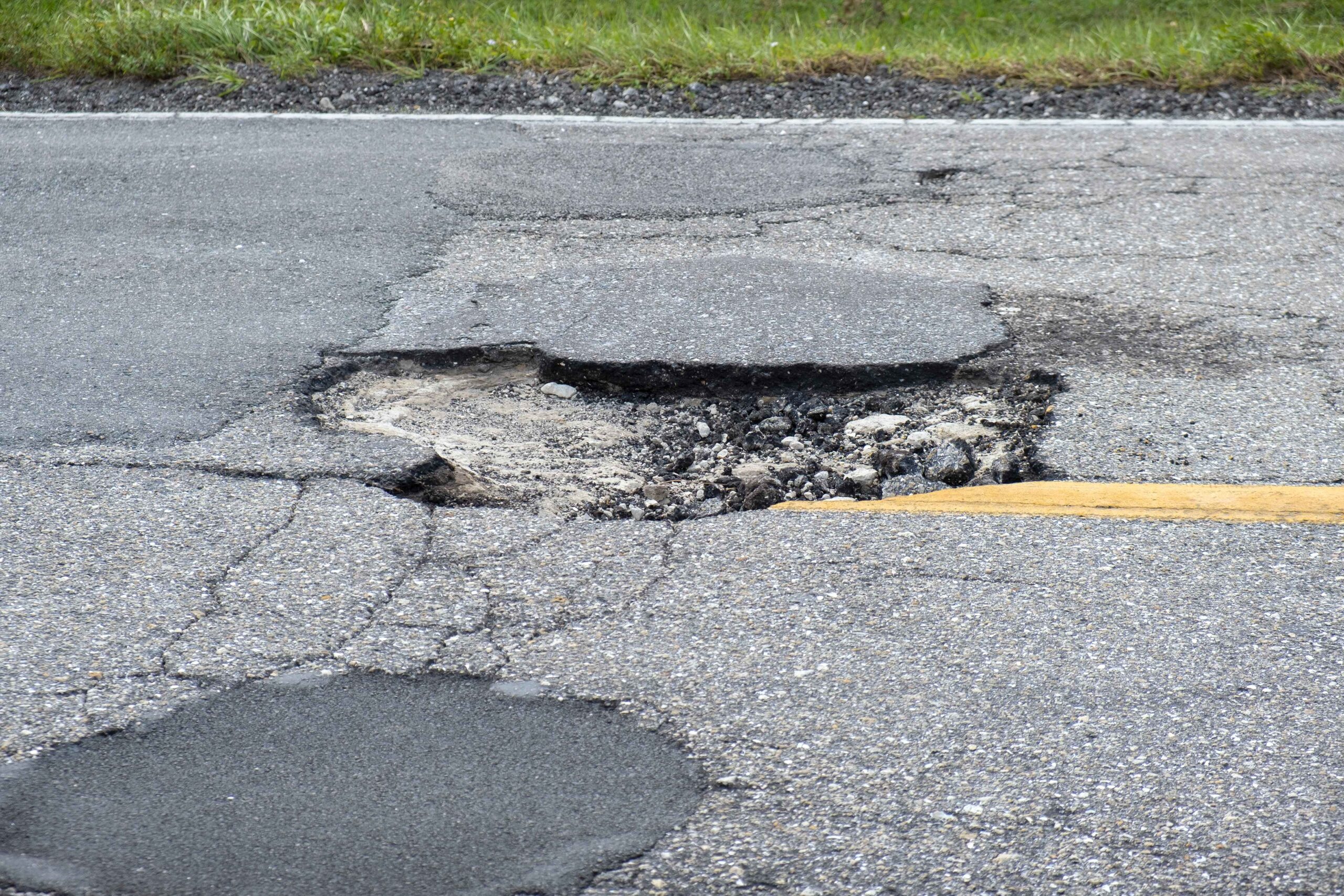
Potholes are a familiar and costly problem across the UK. They appear suddenly, grow rapidly, and cause extensive damage to both vehicles and the surfacing beneath them. What most people don’t realise is that nearly all potholes begin long before the first sign of cracking appears on the surface. They are the result of slow, predictable processes involving water, temperature, and weak construction. Because of this, modern surfacing companies invest heavily in preventative techniques that stop potholes from forming in the first place. By understanding these methods, homeowners, businesses and local authorities can protect their roadways, avoid expensive repairs and dramatically extend the lifespan of their surfaces.
Understanding Why Potholes Form
A pothole doesn’t start as a large hole in the road; it begins as a small weakness—often microscopic—that slowly grows. Water is the most influential factor in this process. When water finds a path into the surface, it gradually breaks down the bond between the aggregates and weakens the stability of the base layers. At first, this isn’t visible, but beneath the road, the structure becomes more fragile by the day.
The UK’s weather pattern accelerates the issue. During colder months, water trapped inside the surface freezes and expands. When this happens, the frozen moisture widens existing cracks and forces the tarmac upward. As temperatures rise again, the frozen water melts back into liquid form, allowing the road to settle unevenly. This continuous movement creates hollow pockets below the top layer. Once this cavity grows large enough, normal traffic pressure causes the surface to collapse and a pothole forms.
Heavy vehicles make the problem even worse. Lorries, buses and delivery vans place intense pressure on areas that are already weakened by moisture. When the underlying structure is compromised, the repeated weight of heavy traffic reduces the surface’s ability to hold together. Over time, what begins as a minor weakness becomes a major, fast-growing defect.
Poor construction also plays a significant role. If the road is built on an unstable base, if the asphalt mix is low in quality, or if compaction is inadequate, potholes can appear even sooner than expected. A poorly built surface might look acceptable on the first day, but internally it lacks the strength to withstand repeated use. Without the right foundation, even a light winter season can cause significant failures.
Building a Strong, Well-Compacted Foundation
Professional surfacing companies know that prevention begins long before the asphalt is laid. The most important stage is the creation of a strong, well-compacted sub-base. This foundation is what supports the entire structure above it. When prepared correctly, it distributes weight evenly and resists water penetration, giving the roadway the strength it needs to withstand years of use.
For the sub-base to perform effectively, it needs to be constructed using robust, stable aggregate and compacted in consistent layers. Each layer must bond tightly so that the finished structure behaves as a single, unified system. When a surface is built on a poor foundation, cracks form much more easily, water finds its way inside, and the entire surface is far more vulnerable to collapse. A well-constructed base, on the other hand, prevents these problems from appearing in the first place.
Protecting the Surface Through Proper Drainage
Water plays such an important role in pothole formation that controlling it becomes one of the most effective preventative measures. Good drainage is essential, and surfacing companies approach it as a core requirement rather than an additional feature. The goal is simple: ensure that water flows away from the surface instead of pooling on it or seeping beneath it.
In many cases, the best solution is to shape the road with a gentle gradient. Even a slight angle can redirect rainwater and prevent puddling. For larger areas or commercial sites, engineered drainage systems may be required to collect water and carry it safely away. When water is unable to gather on the surface, it cannot penetrate the tarmac or weaken the base layers. This dramatically reduces the likelihood of potholes developing over time.
Using High-Quality Asphalt for Long-Term Durability
The materials used in the surfacing process make a significant difference to the road’s performance. High-quality asphalt mixes are designed to withstand moisture, resist cracking, and remain strong under constant pressure. A durable mix forms a tighter, more resilient structure that prevents water from entering and keeps the surface stable for longer.
Professional surfacing contractors choose the right grade of asphalt based on the environment and the expected load. Roads, car parks and private driveways all require different compositions to ensure long-term durability. By selecting premium materials from the outset, surfacing companies reduce the likelihood of cracks forming and maintain surface integrity for many years.
Controlling Temperature During Installation
Temperature plays a crucial role when laying tarmac. If the asphalt cools too quickly or is applied outside the appropriate temperature range, it fails to bond properly and becomes more prone to cracking. Professional contractors use insulated transportation, controlled timing and coordinated teams to ensure that the hot asphalt is placed and compacted before it loses heat. This creates a tightly bonded surface that is far more resistant to moisture and movement.
Creating a Smooth Finish Through Machine-Lay Techniques
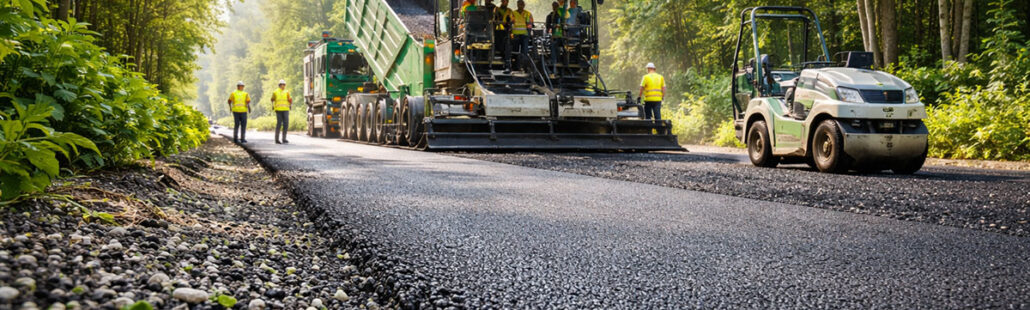
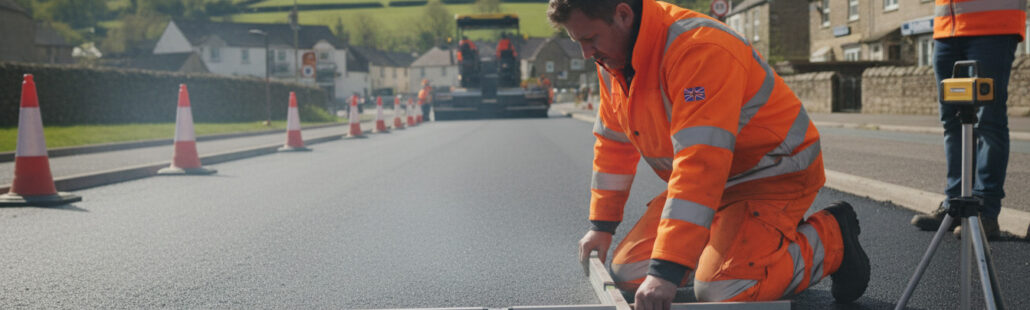
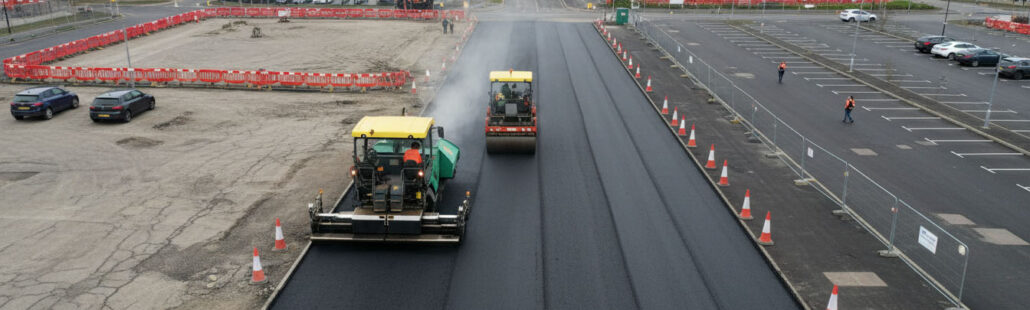
Modern surfacing companies often rely on machine-lay techniques to deliver a smooth, even finish. A uniform surface ensures that water flows correctly and does not gather in subtle dips or depressions. Machine-lay methods produce highly compacted, consistent layers that strengthen the roadway and eliminate many of the imperfections that eventually become potholes. For larger areas and long stretches of road, this method is significantly more durable than hand-laying.
Preventing Early Damage Through Timely Repairs
Even with perfect construction, no surface stays flawless forever. Small cracks and early signs of wear appear over time due to weather and traffic. Professional companies monitor these early indicators and address them quickly. Sealing cracks, protecting joints and reinforcing weak areas before they deteriorate prevents water from entering the surface and stops potholes from forming.
By reacting early, surfacing professionals avoid larger failures. A small repair handled promptly costs far less than a complete resurfacing project, making routine maintenance one of the smartest investments a property owner can make.
The Importance of Early Detection
Small changes in the road often hint at developing issues. Minor cracking, early signs of fretting, or patches that feel hollow can indicate that water has already begun affecting the underlying layers. Puddles that remain after light rainfall are another warning sign; they reveal that drainage may not be functioning correctly. When these signs appear, addressing them quickly prevents larger damage. For expert help, inspections or resurfacing advice, you can reach a specialist directly through this link:
East Herts Surfacing – Contact Page
Final Thoughts
Potholes don’t form overnight—they develop slowly through a mix of water, weather, pressure and structural weakness. Modern surfacing companies prevent them through strong foundations, effective drainage, high-quality materials, temperature-controlled installation, smooth finishes and proactive maintenance. By combining these methods, they protect roadways from the ground up and ensure long-lasting performance.