
- min min
- No Comments
- December 9, 2025
The Importance of Quality Road Surfacing: What Every Community Needs to Know
Road surfacing plays a vital role in everyday life, yet most people only notice it when something goes wrong. A smooth, well-maintained road feels effortless to drive on, supports efficient transport and adds value to homes and businesses. When a surface begins to deteriorate, however, the experience changes quickly. Potholes appear, cracks widen, puddles form and journeys become uncomfortable or even unsafe. These issues don’t happen overnight — they develop slowly from worn surfaces, weather damage and lack of maintenance. That’s why understanding the importance of professional road surfacing is essential for communities, councils, property owners and commercial operators alike.
Investing in high-quality surfacing is not only about creating a clean finish; it is about building a durable structure that resists pressure, adapts to changing weather and stays reliable for years. Road surfacing is the foundation of safe travel, smooth logistics and long-term infrastructure performance. The decisions made during surfacing projects today will determine how roads look and function for decades.
What Road Surfacing Actually Involves
Road surfacing is far more than simply laying a layer of asphalt. It is a structured process carried out in stages, beginning with assessing the existing condition of the road. Over time, every road suffers from natural wear. Constant traffic, rainfall, freezing temperatures and UV exposure all break down the surface. As cracks start to appear, water begins to penetrate. Once moisture reaches the lower layers, damage accelerates rapidly.
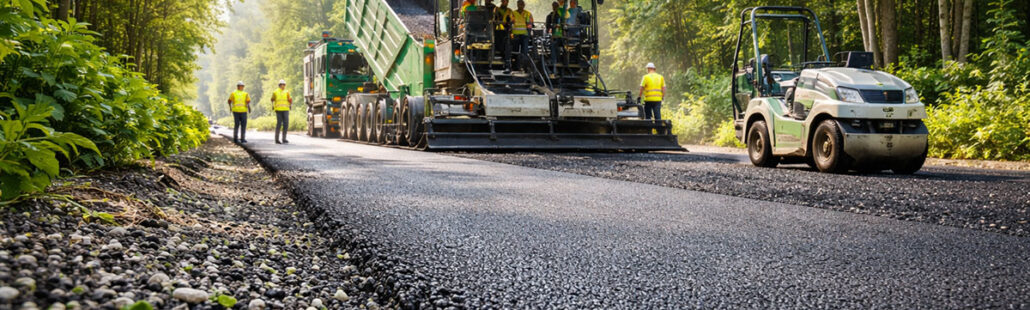
When resurfacing work takes place, the old surface is usually planed or milled off to remove defects and create a clean, level base. This step is crucial because the surface layer can only perform properly when the foundation below is stable and even. After preparation, a new layer of asphalt or tarmac is applied using specialist equipment designed to achieve uniform thickness and optimal compaction.
The surfacing process requires precise timing because asphalt must be laid and compacted while at the correct temperature. If it cools too quickly, the material won’t bond properly. If it is overheated, the structure becomes weakened. Professional surfacing teams understand these variables and constantly monitor temperature and compaction levels to ensure long-lasting results.
Why Quality Materials Make All the Difference
The materials used during surfacing significantly influence the strength and performance of the road. High-grade asphalt and tarmac blends provide flexibility, allowing the surface to withstand heavy loads without cracking. This flexibility is especially important on commercial routes, industrial estates and busy residential roads, where traffic is constant.
Modern surfacing materials also include improved binders and aggregates that enhance durability. Polymer-modified bitumen, for example, increases resistance to deformation, meaning the road can handle heat in summer without softening and withstand cold winter temperatures without becoming brittle. Many asphalt mixes now also incorporate recycled materials from old road planings, reducing waste and lowering environmental impact without compromising strength.
Choosing the right material for the right environment is essential. Roads exposed to frequent HGV traffic require a more robust mix than a private driveway, while areas prone to standing water need materials that support improved drainage. Professional surfacing contractors consider all of these factors during the planning stage to ensure the chosen material suits the road’s long-term use.
Modern Surfacing Techniques for a Longer-Lasting Finish
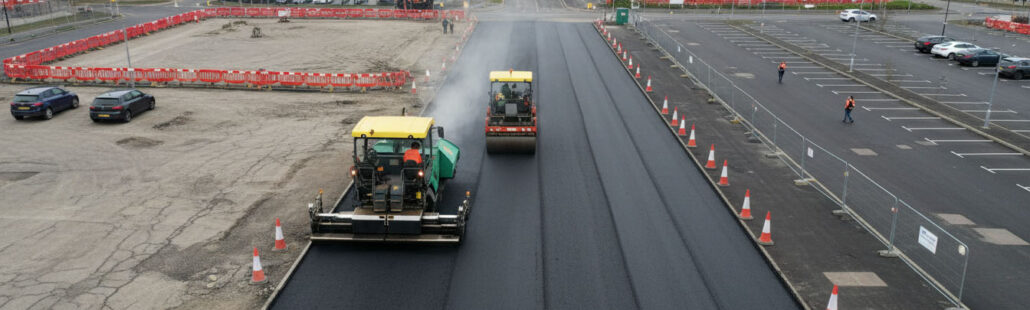
Technology in road surfacing has evolved significantly in recent years. Machine-lay surfacing has become the industry standard because of the precision it offers. Instead of relying solely on manual techniques, specialised paving machines distribute asphalt evenly across the entire surface. This creates a smoother finish, stronger bonding and fewer weak spots.
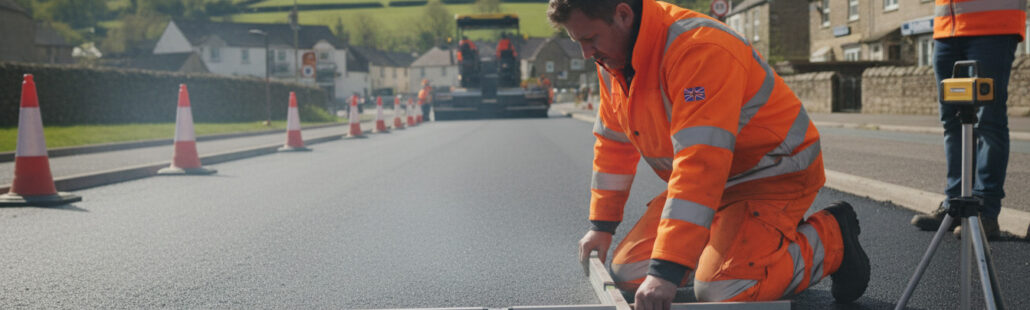
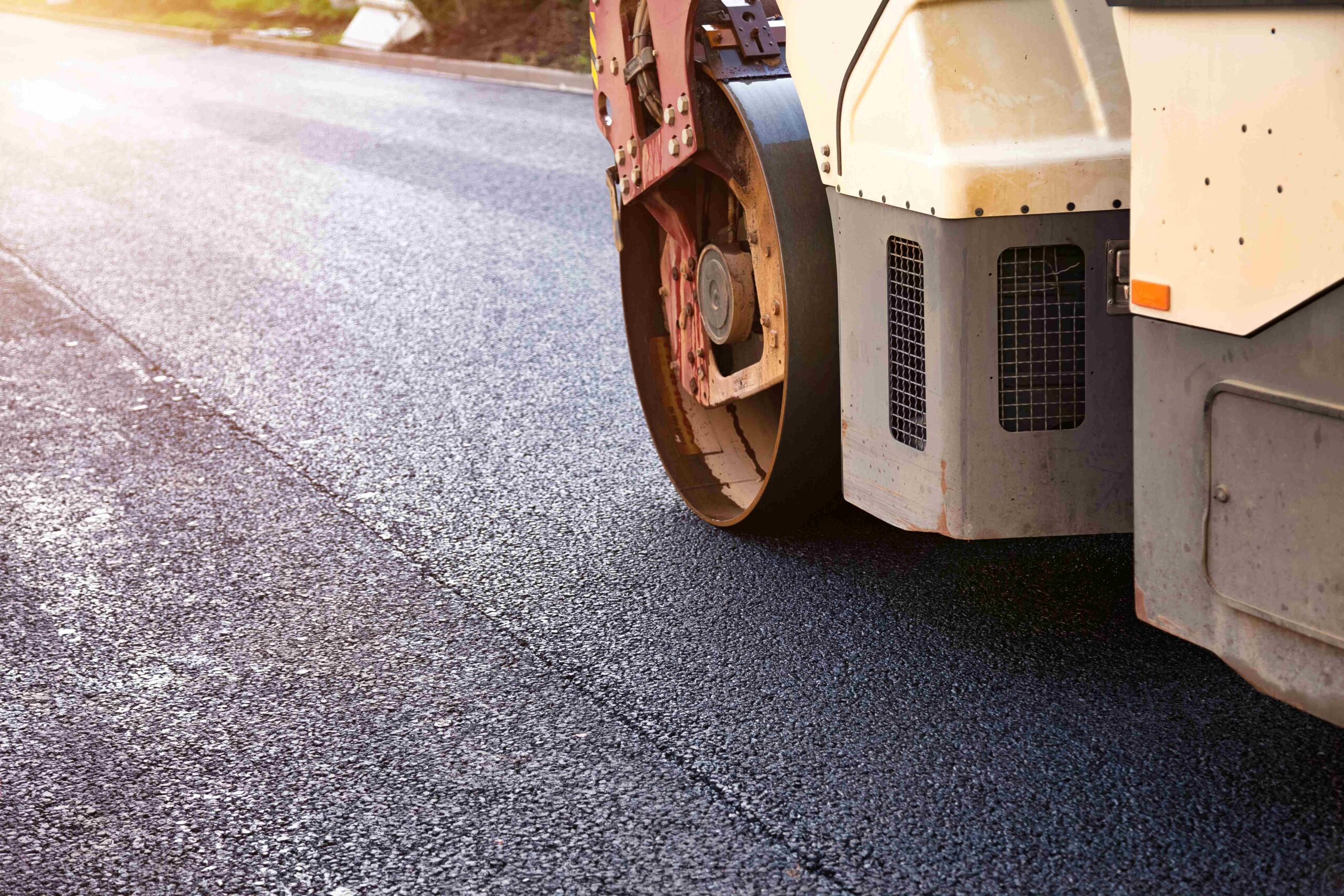
Compaction is another critical element. Modern vibratory rollers ensure the asphalt is compacted to the exact density required for maximum strength. Proper compaction prevents future issues such as surface raveling, water ingress or early cracking. Some machines even use digital levelling systems to ensure accuracy down to millimetres, which helps create a consistent slope for drainage and long-term stability.
Thermal imaging has also become a valuable tool in professional surfacing. It allows contractors to monitor temperature distribution across the freshly laid material, preventing cold spots and ensuring full bonding throughout the surface. These techniques contribute to roads that last longer, resist damage and require fewer repairs over their lifespan.
The Value of Preventive Maintenance
Roads that receive regular care and timely resurfacing almost always outperform those left to deteriorate. Preventive maintenance is one of the most cost-effective approaches to infrastructure management. When small cracks appear, sealing them early stops water from entering the structure. Once water penetrates, especially during winter, it freezes and expands, causing the surface to break apart from within.
Resurfacing before major deterioration occurs ensures the deeper layers remain intact. This prevents structural failure and avoids the need for expensive full-depth reconstruction. Preventive maintenance also reduces disruptions to road users. Minor resurfacing works can often be completed quickly with minimal closures, whereas emergency repairs or full reconstructions can cause extended delays, traffic diversions and higher costs.
Communities that invest early in their roads experience fewer potholes, smoother travel and reduced damage to vehicles. For businesses, good road condition supports deliveries, logistics efficiency and customer access — all of which have economic benefits.
What to Consider Before Resurfacing a Road
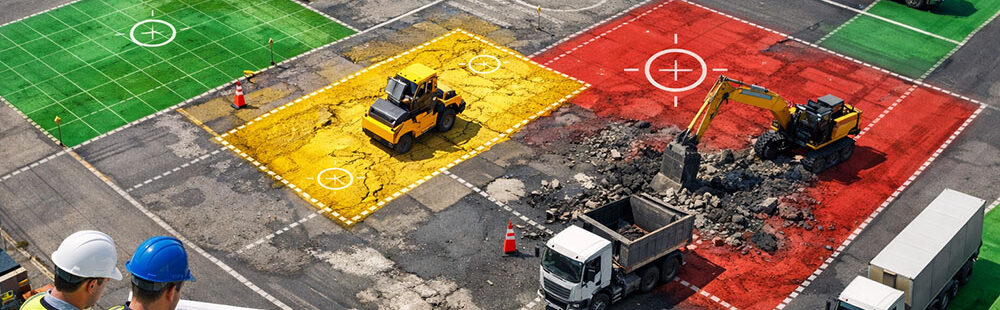
Planning is one of the most important stages of any road surfacing project. The type of surface required depends on how the road is used, how much traffic it carries and the environment surrounding it. Roads that experience heavy vehicle use need stronger mixes and more robust preparation, while private or residential areas may require a smoother, quieter surface.
Drainage also plays a major role in road performance. A poorly drained road will deteriorate far faster than one designed to channel water away efficiently. The ground beneath the road must be stable, well-prepared and capable of supporting the long-term load without shifting.
Professional guidance helps determine the best surface type, thickness, material and construction method. For anyone looking to understand whether a surfacing company works in their region, it can be helpful to check service areas. You can view the regions covered by a trusted provider here: https://easthertssurfacing.co.uk/areas-we-cover/
Conclusion: Road Surfacing Shapes the Way We Travel
Road surfacing may seem straightforward, but it combines engineering, planning and craftsmanship. A properly surfaced road improves safety, enhances comfort, reduces noise and lowers the cost of long-term maintenance. It is a key element of public infrastructure and private development, shaping travel experiences every day.
Choosing the right materials, using modern techniques and investing in preventive maintenance ensures roads remain strong and reliable for years. Whether resurfacing a private driveway, commercial estate, residential street or major route, high-quality workmanship makes all the difference.