
- min min
- No Comments
- December 1, 2025
UK Pothole Repair Guide 2025: Causes, Dangers & The Best Fixing Methods
Potholes remain one of the most frustrating and widespread issues affecting UK roads, private driveways, and commercial surfaces. As the climate becomes wetter, winters swing between mild and freezing temperatures, and traffic loads continue to increase, potholes are appearing more frequently and worsening at a faster rate. In 2025, dealing with potholes properly requires understanding how they form, the dangers they pose, and the most effective repair methods that offer long-lasting results.
How Potholes Form in the UK
Potholes develop through a gradual but destructive process that begins with small cracks on the surface of the road or driveway. Water is the primary culprit. When rainwater or surface water finds its way into tiny cracks, it begins to penetrate the layers beneath. During cold weather, the trapped water freezes and expands. This expansion forces the surface layer upwards and weakens its internal structure. When temperatures rise and the water thaws, the weakened space collapses, creating a cavity beneath the surface. Over repeated freeze-thaw cycles, the cavity grows until the upper layer finally breaks apart and forms a pothole.
Traffic also plays a major role in pothole formation. The repeated pressure of vehicles, especially heavy goods vehicles, buses, and delivery vans, places strain on weakened areas. Each impact pushes loose material aside and enlarges the defect. Even residential driveways face the same problem when cracks are ignored for too long, allowing water to penetrate the sub layers and weaken the structure over time.
In addition, ageing surfaces naturally lose flexibility. Asphalt becomes brittle, and any small crack can quickly turn into a larger defect. Poor drainage is another major contributor. If water cannot run off properly due to uneven levels, blocked drains, or worn slopes, it continuously pools in the same area. Standing water will seep into weaknesses and accelerate the formation of potholes. Over time, these combined factors turn small issues into significant damage.
The Dangers Potholes Present
Potholes pose far more risks than simply causing discomfort while driving. They create real mechanical, financial, and safety hazards. Vehicles that strike potholes at speed often suffer immediate damage. Tyres may puncture or bulge, wheel alignment can be thrown off, and suspension systems can take a considerable hit. In more severe cases, wheels themselves can crack, leading to expensive repairs or replacements.
From a safety perspective, potholes contribute to accidents. Drivers may attempt to avoid hitting them by swerving or braking suddenly. In narrow lanes, busy roads, or poorly lit areas, this behaviour can lead to collisions or near misses. Motorcyclists and cyclists are at particular risk because even a small pothole can cause a sudden loss of balance or control.
Pedestrians are equally vulnerable, especially in commercial car parks, residential complexes, and shared access roads. Uneven surfaces create trip hazards that can lead to falls, injuries, and liability claims. Businesses with poorly maintained car parks may face reputation damage or legal consequences if accidents occur. On a wider scale, unaddressed potholes weaken the surrounding surfacing, causing more defects to appear. When repairs are delayed, what begins as a small, inexpensive fix often becomes a much larger and costlier resurfacing project.
The Most Effective Pothole Repair Methods in 2025
Repairing potholes correctly depends on selecting the right method based on the severity, depth, and location of the damage. In 2025, UK contractors rely on several proven techniques that ensure durable, long-lasting results.
Hot Asphalt Patch Repair
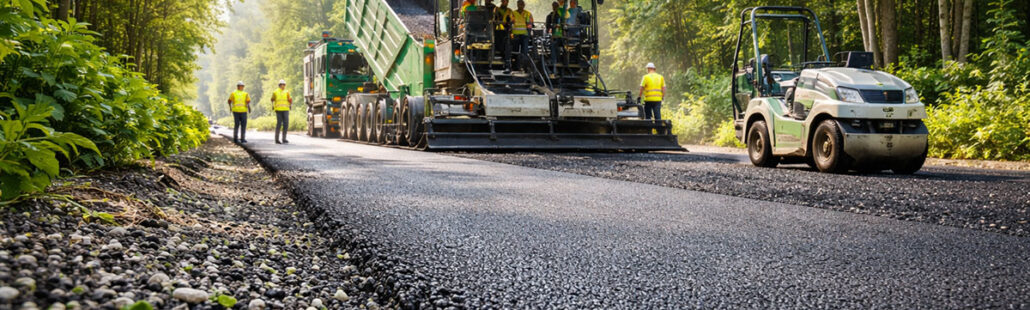
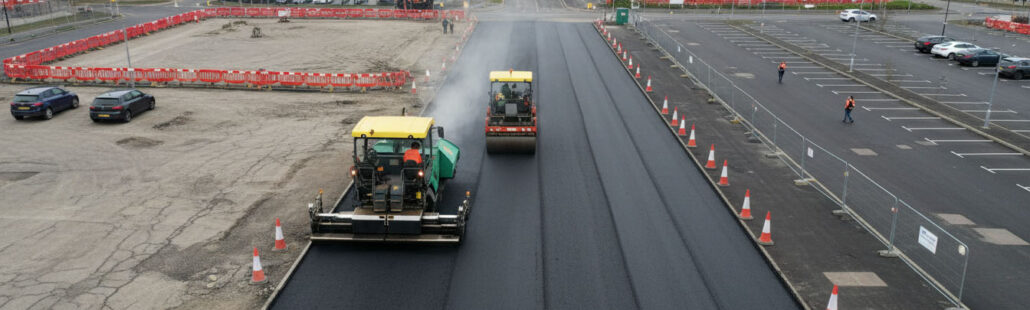
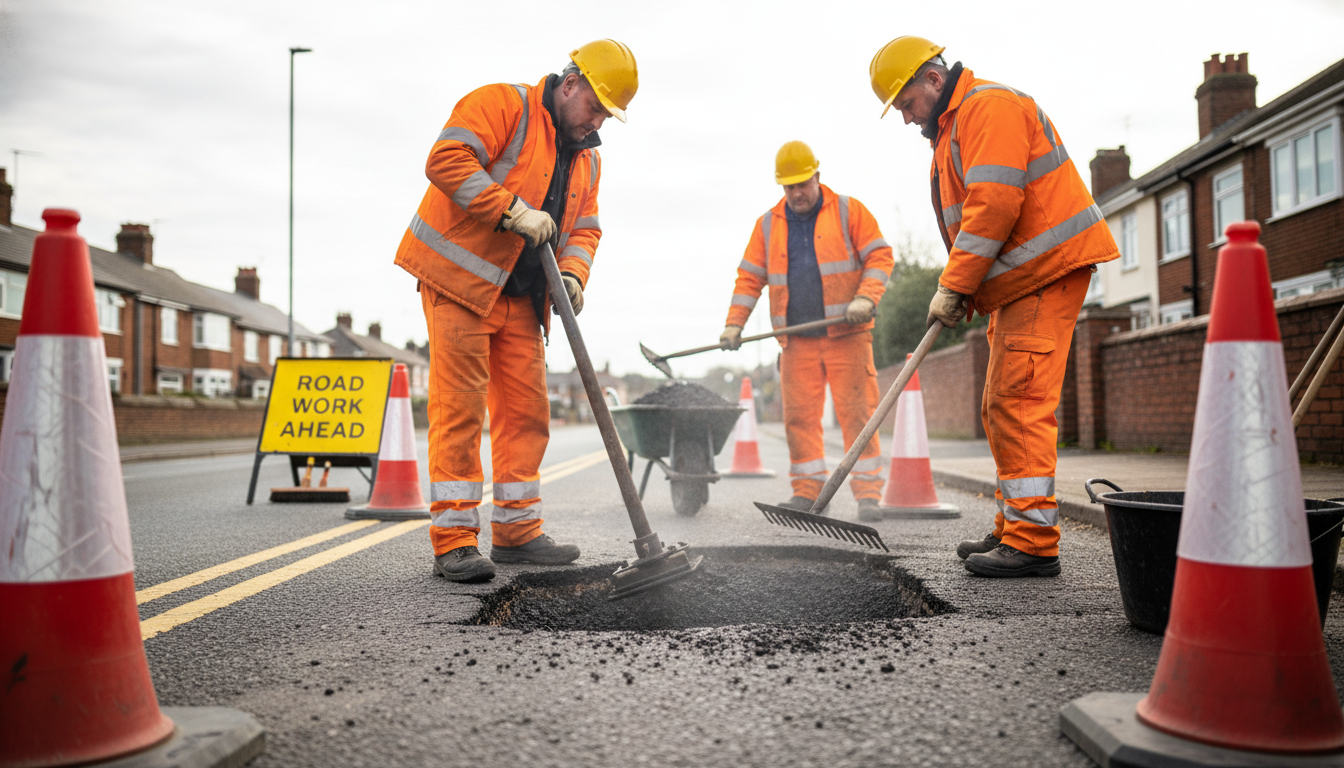
Hot asphalt patching remains the strongest and most reliable method for repairing potholes. The damaged section is first cut out into a neat rectangular or square shape. All loose and weakened material is removed, leaving a clean, solid edge around the repair area. A bonding agent is applied to help the new material adhere strongly to the existing surface. Fresh hot asphalt is then installed and compacted using professional equipment. This method restores structural integrity and blends seamlessly into the surrounding surface. Hot asphalt patching is ideal for roads, commercial car parks, and large driveways where durability is essential.
Cold Lay Asphalt Repair
Cold lay asphalt is used for smaller defects or situations where a rapid fix is required. It does not need heating and can be applied immediately after cleaning the pothole. While it is practical and quick, it does not match the overall strength of hot asphalt repairs. Cold lay materials are commonly used on low-traffic residential driveways or as temporary repairs during winter months when hot materials are harder to work with.
Full-Depth Reinstatement
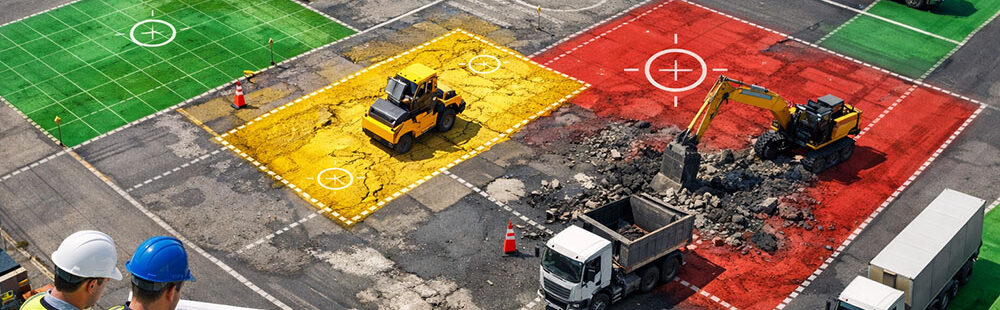
When the damage extends deeper into the sub-base or when a large section of the surface has collapsed, full-depth reinstatement becomes necessary. The damaged area is fully excavated, the sub-base is repaired or reconstructed, and new asphalt layers are installed on top. This method is essential when the underlying foundation has failed, and it provides a long-term solution for heavy-use areas.
Infrared Asphalt Heating
Infrared repair uses heat to soften the existing asphalt around a pothole. Once softened, the surrounding surface can be blended with new asphalt, creating a smooth and seamless finish. This method is popular in locations where visual appearance is important because it avoids visible patch lines. However, it is less effective in wet weather or extremely cold conditions.
How to Prevent Potholes from Returning
Preventative maintenance is the most effective way to avoid recurring potholes. Regular inspections allow early signs of cracking, sinking, or surface weakness to be addressed before they turn into serious defects. Sealing cracks as soon as they appear helps prevent water from entering the surface layers. Maintaining proper drainage ensures that water does not pool on the surface. In areas with ageing surfaces, resurfacing before major damage occurs can extend the lifespan of the entire road or driveway and reduce long-term repair costs.
When to Call a Professional Repair Team
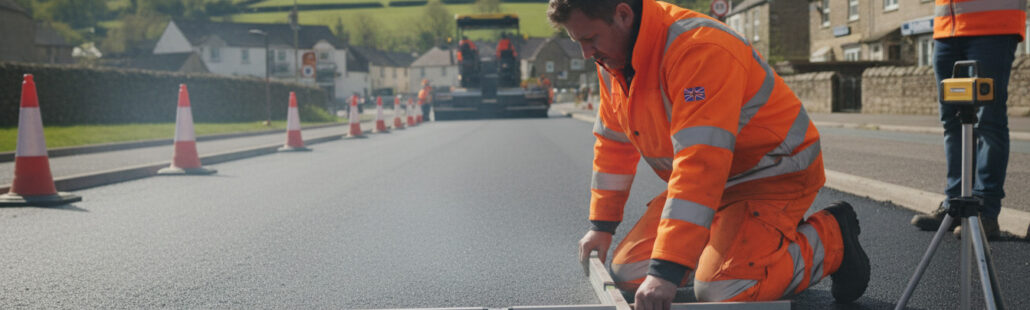
Knowing when to involve a professional contractor is important. If a pothole is expanding, deepening, or appearing alongside multiple cracks, it requires expert intervention. Commercial properties should never leave potholes unresolved, as they create hazards for both vehicles and pedestrians. Private homeowners should also seek assistance when cracks reappear after temporary repairs. Proper equipment, correct materials, and professional compaction are essential for long-lasting results, and these cannot be achieved with DIY fixes.
For reliable, high-quality pothole repairs carried out by trained specialists, you can reach out for expert help or a site assessment. Contact East Herts Surfacing for professional advice, durable repair solutions, and fast service across your area.