
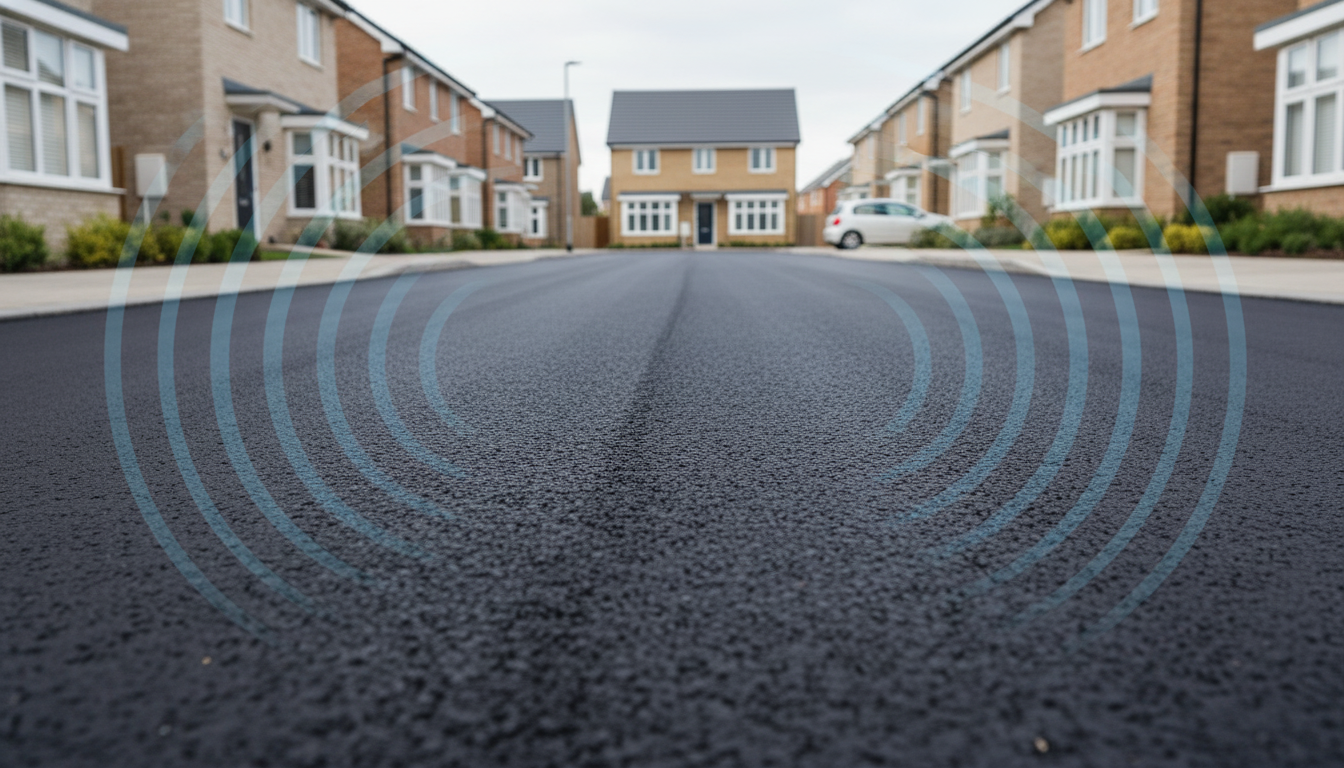
How Modern Road Surfacing Reduces Noise Pollution in UK Neighbourhoods
Noise pollution has become a quiet but persistent issue for many UK neighbourhoods. As residential areas grow, traffic increases, and roads age, the sound of tyres on uneven surfaces has become a daily irritation—especially for those living close to main routes, schools, and busy estates.
Fortunately, modern road surfacing technology is specifically engineered to tackle this problem. Today’s asphalt materials are not only built for strength and durability—they’re designed to make streets calmer, quieter, and more comfortable for everyone.
This article breaks down how low-noise surfacing works, why it matters, and how it’s transforming residential environments across the country.
Why Road Noise Has Become a Bigger Issue
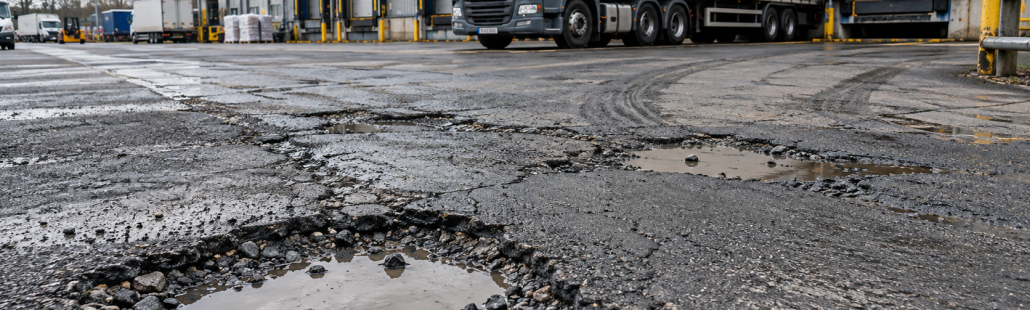
Tyre noise has increased over the years for several reasons. Neighbourhoods have become more densely built, delivery vehicles pass through more often, and older road surfaces have begun to wear down. When asphalt ages, it becomes rougher and more brittle, which amplifies tyre vibration and noise.
Many homeowners notice this change gradually, often thinking it’s their car getting louder—when in reality, it’s usually the road.
The Science Behind Low-Noise Road Surfacing
Low-noise surfacing reduces sound in several clever ways.
One important factor is friction. Traditional worn surfaces create excessive vibration as tyres move across them. Low-noise asphalt is engineered to minimise this, allowing tyres to roll more smoothly.
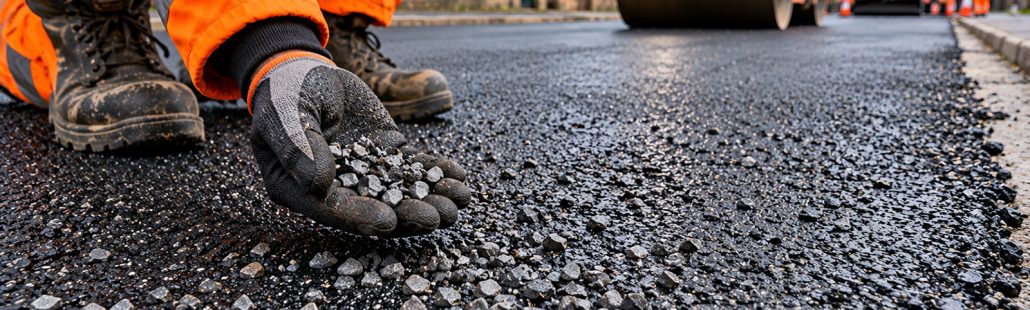
Another major element is sound absorption. Some modern asphalts contain small interconnected voids that trap sound energy instead of reflecting it back toward nearby homes. By absorbing vibration and airflow noise, these surfaces make passing vehicles considerably quieter.
Finally, newer materials are more flexible than older, brittle asphalt. This flexibility helps disperse vibration rather than amplifying it like a hard, resonant surface would.
Combined, these innovations can reduce tyre noise by several decibels—enough for residents to notice a real difference.
Modern Low-Noise Materials Used in the UK
Different areas benefit from different types of surfacing, but the most effective low-noise options include:
Porous Asphalt
A highly effective material that absorbs both sound and water. Its structure helps reduce spray in wet weather while lowering tyre noise, making it ideal for residential streets and school zones.
Rubber-Modified Asphalt
Made with recycled rubber crumb, this material absorbs vibration exceptionally well. It is flexible, long-lasting, and a more sustainable alternative to traditional asphalt.
Fine-Graded Asphalt
Using smaller stones and a smoother texture, fine-graded mixes reduce noise without dramatically changing the appearance of the road.
Thin Surface Course Systems
A modern engineered topping designed to provide a quieter riding surface while also offering strong durability and improved drainage.
Benefits for UK Homes and Communities
The most noticeable benefit is the reduction in everyday noise. Residents living near traffic-heavy areas experience fewer disturbances, especially early in the morning or late at night when unwanted sound can feel amplified.
Lower road noise also supports overall wellbeing. People report sleeping better, feeling less stressed, and enjoying their outdoor spaces more when tyre noise is reduced.
There’s also a property value angle. Quieter streets tend to feel calmer and more desirable, which can subtly influence long-term appeal.
Lastly, there’s sustainability. Some low-noise materials use recycled rubber and advanced binders that reduce environmental impact while lowering noise levels.
Where Low-Noise Surfacing Makes the Most Difference
These modern materials are especially valuable in locations such as residential estates, school zones, hospital surroundings, village roads with tight layouts, and new housing developments where noise control is important. Any area where people live, rest, or work close to roads can benefit.
How to Know If Your Road or Driveway Needs an Upgrade
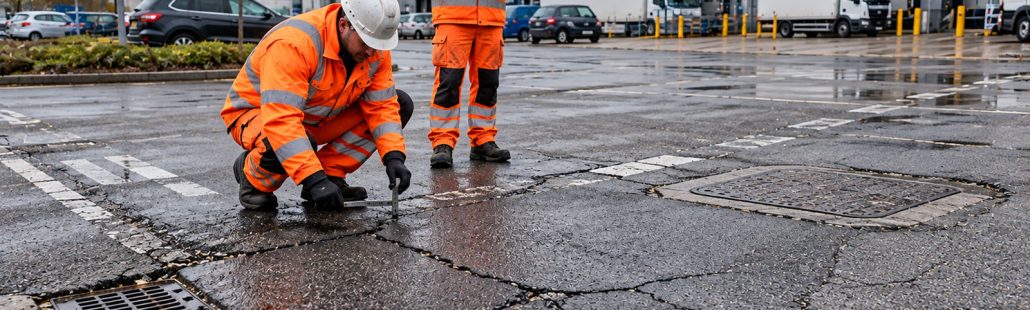
If a road looks rough, feels uneven when you drive across it, or produces more noise than you remember, the surface may have deteriorated. Cracks, patches, poor drainage, and surface erosion are all signs that the road has lost its original quiet-running characteristics.
Upgrading to a modern, low-noise surface restores comfort, reduces disturbance, and improves the overall look and feel of the neighbourhood.
Why Proper Installation Matters
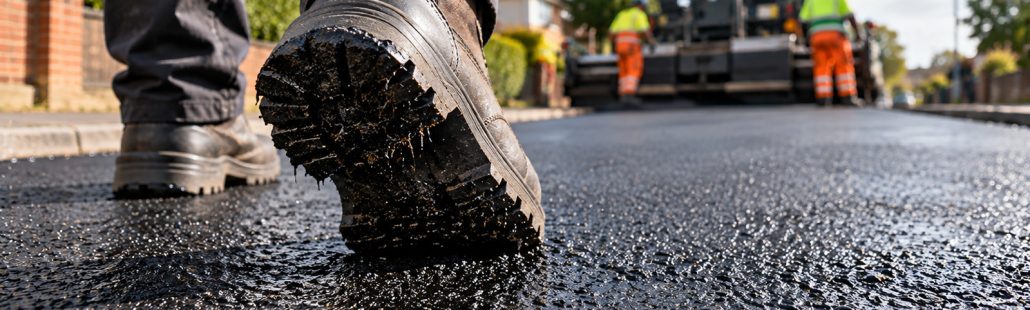
Low-noise surfacing is only effective when installed correctly. The process requires the right materials, accurate temperature control, proper compaction, and careful finishing to achieve the intended noise reduction.
If you’re considering resurfacing work for a road, housing project, or community area, reaching out to a specialist is the best next step.
👉 Contact East Herts Surfacing
Their team can recommend the ideal low-noise material and deliver a surface designed for both comfort and durability.
Final Thoughts
Noise pollution doesn’t need to be part of everyday life. Modern surfacing materials are engineered to transform noisy streets into quieter, more peaceful spaces. With the right materials and expert installation, neighbourhoods across the UK can enjoy smoother, safer, and significantly quieter roads.