
- admin
- No Comments
- December 15, 2025
How Traffic Load Impacts Road Surface Lifespan
Road surfaces are designed to be durable, but no surface lasts forever. One of the most significant factors influencing how long a road, access route, or commercial surface performs is traffic load. From light residential use to constant HGV movements, the weight, frequency, and type of vehicles using a surface directly affect its strength, stability, and long-term condition.
Understanding how traffic load impacts road surface lifespan allows property owners, businesses, and local authorities to make smarter decisions about materials, thickness, maintenance, and repair strategies. In this guide, we explore how traffic loading works, the damage it causes, and how professional surfacing solutions can significantly extend surface life.
What Is Traffic Load?
Traffic load refers to the combined weight and frequency of vehicles travelling over a road surface. It includes several key factors:
- Vehicle weight (cars, vans, HGVs, plant machinery)
- Axle load and wheel pressure
- Frequency of use
- Turning, braking, and stationary loading
- Speed and direction of travel
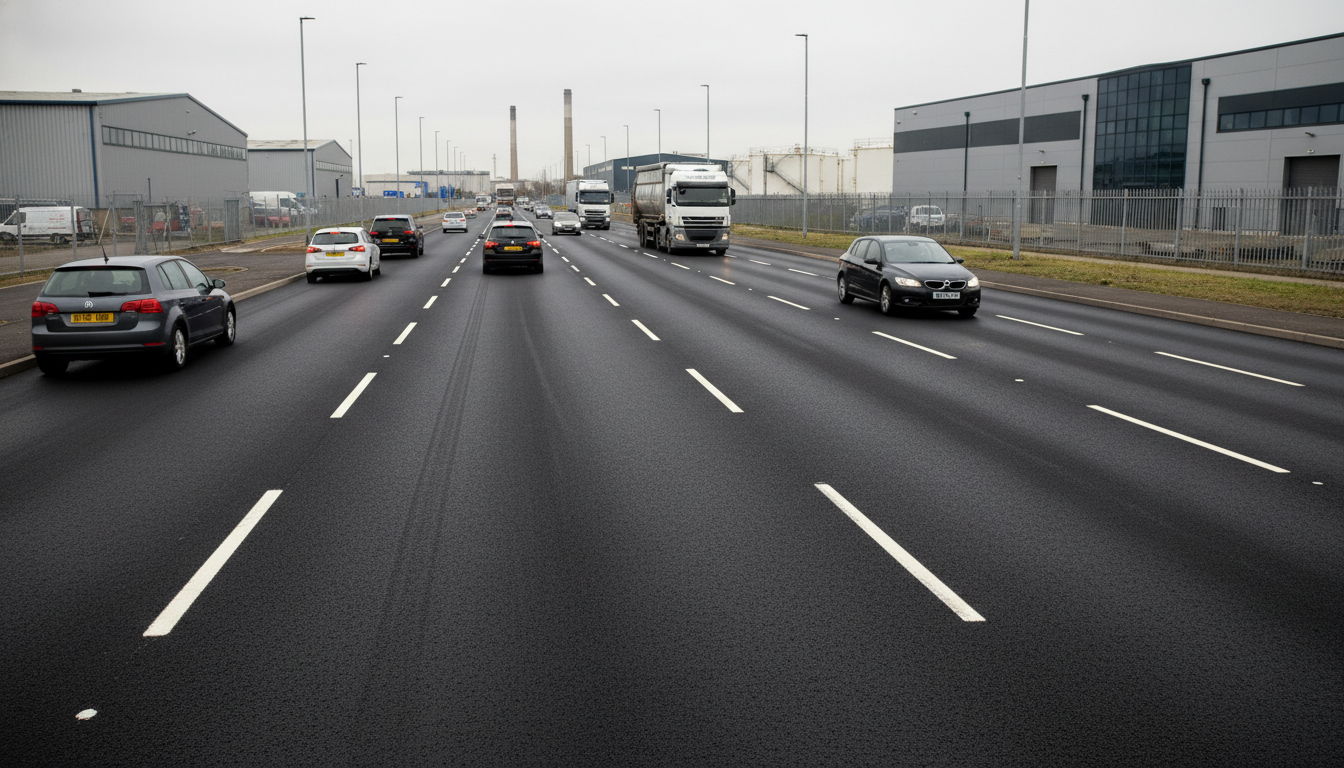
A lightly used residential road experiences very different stresses compared to a commercial access road serving warehouses, retail parks, or industrial estates. Designing a surface without accurately accounting for traffic load is one of the most common reasons for premature surface failure.
How Heavy Traffic Damages Road Surfaces
1. Structural Fatigue Over Time
Every vehicle places stress on the surface and underlying layers. While a single pass may cause minimal damage, repeated loading leads to structural fatigue. Over time, this weakens the bond between layers and reduces the surface’s ability to distribute weight evenly.
Heavier vehicles, especially those with high axle loads, accelerate this process dramatically. Without sufficient base depth and compaction, fatigue cracking becomes inevitable.
2. Surface Deformation and Rutting
Rutting occurs when repeated wheel loads cause permanent depressions in the surface. This is particularly common on roads used by delivery vehicles, buses, and HGVs.
Rutting not only shortens surface lifespan but also creates safety hazards by holding water, increasing the risk of skidding and hydroplaning. Correct material selection and professional tarmac installation play a critical role in preventing this form of deformation on high-traffic routes.
3. Cracking and Water Ingress
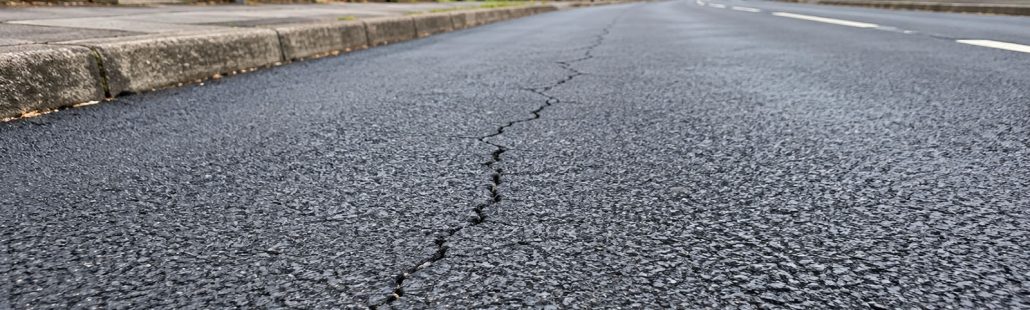
As traffic load stresses the surface, microcracks begin to form. Once cracks appear, water penetrates the surface and reaches the base layers. In colder months, freeze-thaw cycles cause expansion and contraction, rapidly worsening the damage.
This chain reaction is a leading cause of potholes and structural breakdown, particularly on roads that were not designed for the level of traffic they receive.
4. Pothole Formation
Potholes are often the final stage of traffic-related surface failure. Constant loading breaks down weakened areas, causing chunks of surface material to dislodge.
High-traffic areas with untreated cracks or poor drainage are especially vulnerable. Prompt professional pothole repairs are essential to prevent further deterioration and extend the overall lifespan of the road.
Why Traffic Load Must Be Considered at Installation Stage
Many surface failures occur not because of poor materials, but because the surface was not designed for actual usage conditions. A road built for cars will fail quickly if exposed to frequent HGV traffic.
Key design considerations include:
- Thickness of the tarmac layers
- Strength and depth of the sub-base
- Quality of compaction
- Choice of asphalt mix
- Edge restraints and drainage design
Professional surfacing contractors assess expected traffic load before installation to ensure the surface performs as intended over many years, even under demanding conditions.
The Impact of Turning and Stationary Loads
Traffic load damage isn’t limited to straight-line movement. Areas where vehicles frequently turn, brake, or remain stationary experience significantly higher stress.
Common high-risk zones include:
- Junctions and roundabouts
- Loading bays
- Car park entrances
- Delivery drop-off points
- Access roads with tight turning circles
These areas require reinforced design and often benefit from thicker surface layers or specialist asphalt mixes to resist shear forces and surface movement.
How Maintenance Reduces Traffic Load Damage
Even well-designed road surfaces require ongoing maintenance, particularly in high-traffic environments. Early intervention dramatically slows deterioration caused by heavy usage.
Effective maintenance strategies include:
- Crack sealing before water ingress occurs
- Surface rejuvenation treatments
- Drainage inspections and repairs
- Timely patch repairs
- Full-depth pothole repairs where structural damage exists
Ignoring early signs of wear allows traffic load to accelerate failure, leading to higher repair costs and potential safety risks.
Matching the Right Surface to Traffic Demand
There is no one-size-fits-all approach to road surfacing. Residential roads, commercial access routes, and industrial yards all require different design solutions based on traffic load.
Light traffic areas may perform well with standard tarmac construction, while heavy-use sites demand enhanced base layers, reinforced surfacing, and precision installation methods. Investing correctly at the outset reduces long-term costs and disruption.
Long-Term Cost Benefits of Proper Traffic Load Design
While surfaces designed for higher traffic loads may require greater initial investment, they deliver substantial long-term savings by:
- Reducing repair frequency
- Minimising downtime and disruption
- Improving safety and compliance
- Extending surface lifespan
- Lowering total lifecycle costs
For commercial and public sector clients, this approach provides predictable performance and budget stability over time.
Conclusion
Traffic load is one of the most critical factors affecting road surface lifespan. The weight, frequency, and movement of vehicles place constant stress on surfaces, and without proper design, installation, and maintenance, failure is inevitable.
By accounting for traffic demands from the outset, using professional installation methods, and addressing damage early, road surfaces can perform reliably for many years—even in high-traffic environments.
If your road, access route, or commercial surface is experiencing signs of wear due to heavy use, professional assessment and timely repairs are essential to prevent costly long-term damage.