
- admin
- No Comments
- December 17, 2025
The Cost of Road Surfacing in Hertfordshire: What Affects Pricing?
Road surfacing is one of the most important infrastructure investments for councils, businesses, and private landowners in Hertfordshire. A smooth, durable surface improves safety, prevents vehicle damage, and reduces long-term maintenance expenses. Yet one of the first concerns people have when planning a surfacing project is cost. Understanding what drives road surfacing pricing helps avoid surprises and ensures the right choices are made from the start.
Why Understanding Road Surfacing Costs Matters
Whether resurfacing a private road, commercial car park, or public access route, cost planning is essential. Knowing what influences pricing allows businesses and local authorities to budget accurately and compare quotes fairly. It also helps determine which surfacing method, base preparation approach, and material type will provide the most value for long-term performance. When you know what contributes to cost, you can confidently invest in a surface designed for durability rather than choosing based solely on the lowest upfront price.
Project Size and Surface Area
The size of the project is one of the most significant influences on cost. Surfacing contractors calculate pricing largely based on the total square metres that need resurfacing. A small access lane will naturally cost less overall than a large car park or long private road. However, larger projects usually require more material, more labour, and longer equipment usage, all of which increase the final cost. Accurate measurements and planning help avoid unexpected additions to the final price.
Surface Type and Material Selection
Material choice plays a major role in pricing. Tarmac (asphalt) remains popular in Hertfordshire due to its affordability and strength under traffic. Dense Bituminous Macadam (DBM) is more robust and can be used for base layers to add structural integrity. Hot Rolled Asphalt (HRA) costs more but offers excellent skid resistance, making it ideal for high-traffic zones. Concrete surfacing is the most expensive upfront, but its durability makes it suitable for heavy industrial sites.
Each option varies in price and lifespan, and choosing the right material affects long-term maintenance demands and overall lifecycle cost. Cheaper options might reduce initial spending, but they may require repairs sooner.
Base Preparation and Ground Conditions
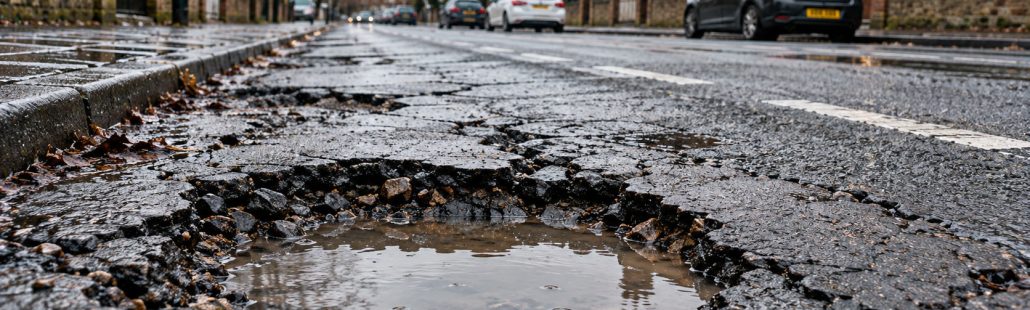
One of the biggest hidden cost factors in any road surfacing project lies beneath the surface. Ground conditions in Hertfordshire vary widely, with clay soils in some areas requiring additional preparation to ensure long-term stability. If drainage is poor or water collects beneath the surface, the contractor may need to install drainage channels or rebuild the sub-base. If the existing surface shows deep cracking or potholes, patching alone will not be enough; full replacement of the base layer may be required, which increases the price.
Accessibility and Site Logistics
Site access also has a noticeable impact on cost. If the site is difficult for equipment and vehicles to reach, additional planning time and labour may be required. Urban and residential areas with narrow streets may need traffic control management to maintain safety during construction. Temporary signage, lane closures, or restricted working times increase overall project duration and therefore raise labour and equipment expenses. For businesses operating in busy towns across Hertfordshire, such as Stevenage, Hertford, or Hatfield, logistics play a major role in project cost.
For insight into full surfacing packages, you can explore available options at our services.
Labour and Equipment Costs
The cost of a project is also influenced by labour and machinery requirements. Skilled surfacing teams, experienced machine operators, and high-quality plant equipment allow for faster, safer, and more precise installation. However, the more workers and equipment required, the higher the labour and machinery fees will be. Transporting heavy machinery to rural areas of Hertfordshire can add cost, especially if specialised pavers, rollers, or compaction equipment are needed.
Time of Year and Weather Conditions
Weather has a direct influence on road surfacing schedules in Hertfordshire. Asphalt performs best in mild, dry weather, which means that projects scheduled during colder or wetter seasons may need more preparation or experience delays. Winter working often requires additional handling of materials to prevent cooling too quickly, and shorter daylight hours reduce working windows. Contractors may include contingency time in pricing to offset these risks, which increases cost for projects scheduled during difficult weather periods.
Quality, Longevity and Warranty Options
Some projects cost more because they use premium surfacing mixes, thicker base layers, or additional protective sealants. While these choices increase initial pricing, they reduce long-term maintenance costs and extend the surface lifespan. Warranty-backed installations also add value by providing future protection against defects. Although the initial investment is higher, it often represents better lifecycle value and fewer future resurfacing needs.
Waste Removal and Environmental Considerations
Old asphalt and damaged base layers must be removed and disposed of properly. Waste removal and recycling regulations influence how much contractors must charge for responsible disposal. Hertfordshire councils prioritise environmentally responsible waste handling, so projects that recycle removed asphalt into new aggregate can sometimes reduce overall material and waste costs. Sustainable practices may affect pricing but provide environmental benefits and long-term savings.
What Should You Expect to Budget?
Cost varies significantly depending on project size, material selection, base condition, traffic requirements, and location. Small access roads fall at the lower end of pricing, while commercial car parks or long private roads generally fall in the mid-range. Municipal resurfacing and heavy industrial surfacing require more preparation, higher quality mixes, and specialised logistics, making them the most expensive options. The best way to determine project cost is through a professional site survey followed by a detailed written quotation outlining material, labour, and time requirements.
How to Get Accurate Road Surfacing Pricing in Hertfordshire
Accurate pricing comes from proper assessment. A professional contractor will survey the site, evaluate drainage and ground conditions, assess traffic load, and recommend materials and installation methods suitable for long-term performance. Requesting itemised pricing allows property owners and councils to compare quotes fairly. Working with experienced Hertfordshire contractors also helps avoid costly mistakes and ensures full compliance with local regulations and road safety requirements.
Conclusion
Understanding the cost of road surfacing in Hertfordshire means looking beyond the surface and recognising all the factors that contribute to pricing. Material selection, site access, base conditions, drainage requirements, labour, equipment, and weather all influence the final figure. Investing in quality planning and workmanship protects your budget over the long term and helps ensure durable performance for years to come. If you’re planning road surfacing in Hertfordshire, clear cost expectations are the first step to achieving a reliable, long-lasting surface solution.