
- min min
- No Comments
- January 12, 2026
Signs Your Access Road Needs Resurfacing, Not Patching
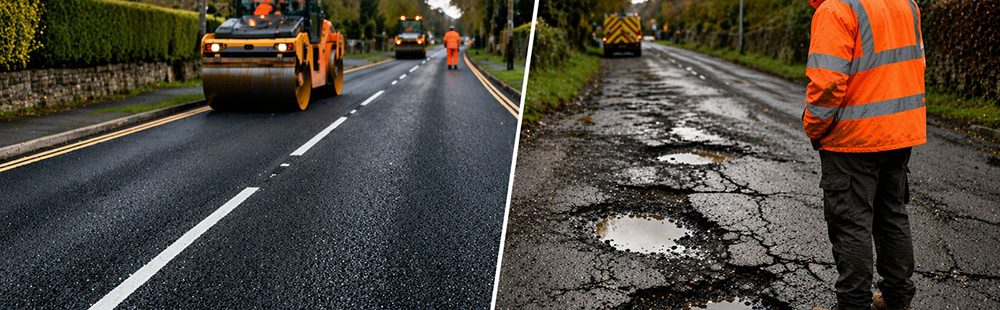
For many UK property owners and site managers, surface repairs begin with patching. Small areas of visible damage are cut out, filled, and compacted to restore safe access. In the right circumstances, this approach can be appropriate. However, patching is a localised repair that only addresses surface-level defects. Resurfacing, by contrast, involves renewing the wearing course across a wider area or the full access road, creating a consistent, structurally sound surface.
Access road resurfacing UK projects are typically recommended when damage is no longer isolated. If defects are recurring, spreading, or linked to deeper structural problems, patching becomes a short-term fix that masks underlying issues rather than resolving them. Understanding this distinction is the first step in avoiding unnecessary repeat repairs and escalating maintenance budgets.
Why Repeated Patching Often Fails on Access Roads
Access roads are subjected to a unique combination of stresses. Unlike residential driveways, they often carry delivery vehicles, refuse lorries, and service traffic, sometimes on a daily basis. When the surface has aged or the base layers have weakened, patch repairs are placed into a surrounding structure that is already compromised.
Over time, traffic loads cause the edges of patches to crack, allowing water to penetrate the joints. In winter, this moisture expands and contracts, breaking down the bond between old and new material. As a result, patched areas frequently deteriorate faster than the original surface, leading to a cycle of repeated repairs. This is why many access road resurfacing UK schemes are commissioned after years of ineffective patching.
Visual Warning Signs That Patching Is No Longer Enough
Widespread Cracking Across the Surface
Cracks that appear across large sections of an access road are a clear indication that the surface is reaching the end of its service life. While a single isolated crack can sometimes be sealed, networks of interconnected cracking suggest fatigue throughout the asphalt or tarmac layer. In these situations, patching individual areas does little to prevent new cracks forming nearby.
As cracking spreads, water ingress accelerates, undermining the surface from below. Resurfacing provides a continuous new layer that restores structural integrity and reduces the number of joints where water can enter.
Multiple Patches Close Together
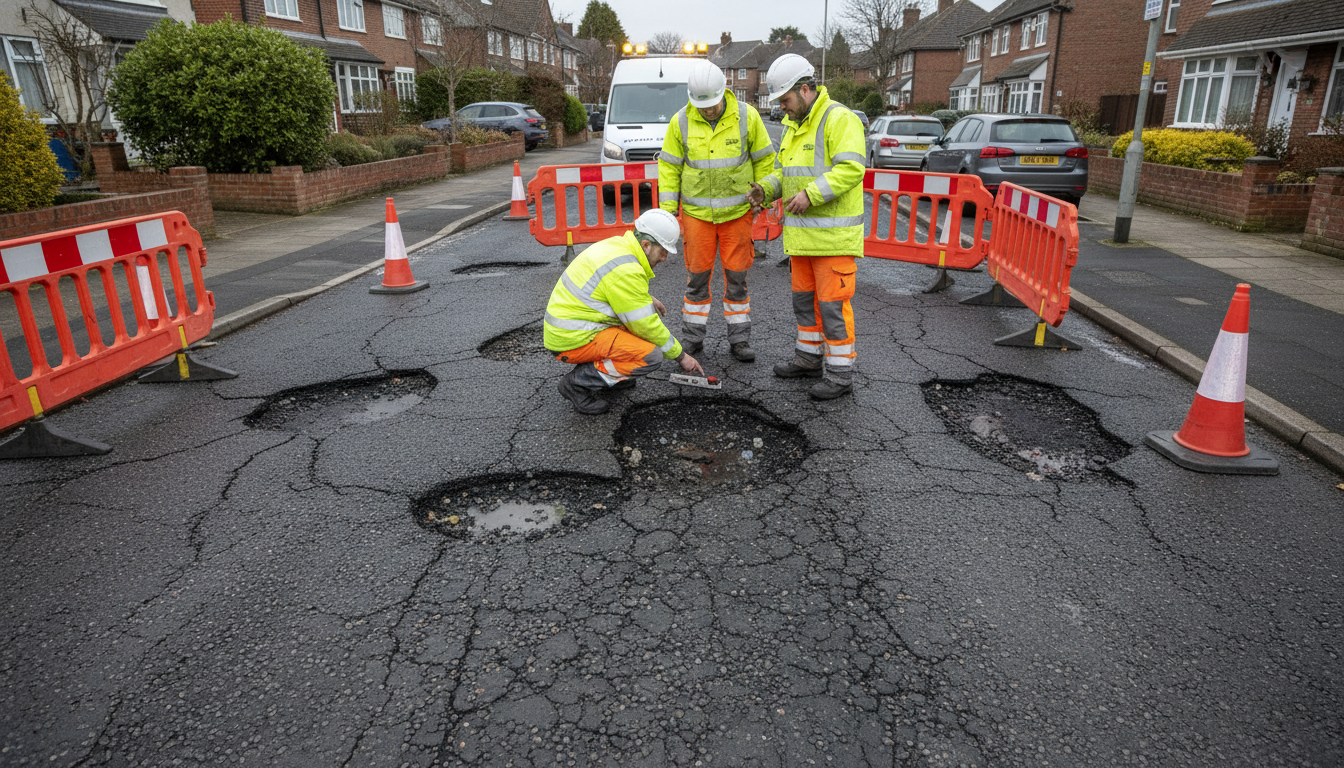
An access road that already contains numerous patches is often signalling that the surface has failed more broadly. When repairs begin to overlap or appear every few metres, the cost of ongoing patching can quickly approach or exceed the cost of resurfacing.
From a practical perspective, a heavily patched road also becomes uneven, increasing the risk of vehicle damage and trip hazards for pedestrians. Access road resurfacing UK solutions eliminate this issue by creating a uniform level surface designed to cope with current traffic demands.
Surface Deformation and Wheel Ruts
Rutting occurs when repeated vehicle loads compress the surface and underlying layers, creating visible depressions in wheel paths. This is particularly common on access roads serving industrial or commercial sites. Patching rutting rarely succeeds because the surrounding material continues to deform under load.
Resurfacing allows contractors to correct surface levels and, where necessary, strengthen the structure beneath. This is especially important where heavy vehicles are part of daily site operations and surface performance is critical.
Structural Indicators Beneath the Surface
Poor Drainage and Standing Water
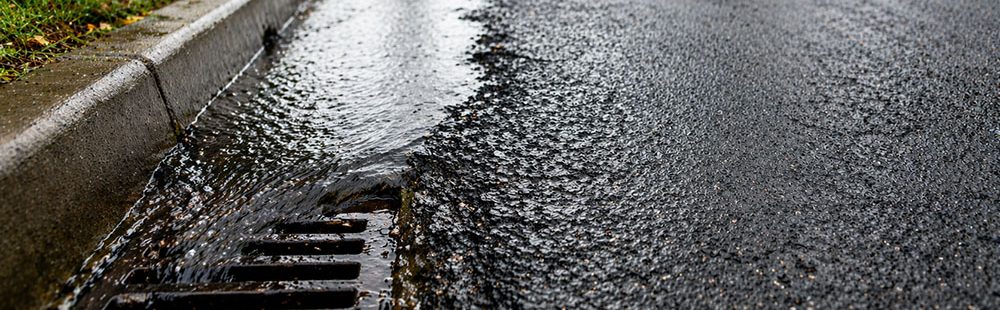
Water is one of the most destructive forces acting on road surfaces. If water pools on your access road after rainfall, it is often a sign that the surface profile has failed or that drainage is inadequate. Patching does not correct underlying falls or drainage routes, meaning standing water will continue to weaken the structure.
In many access road resurfacing UK projects, drainage improvements are addressed alongside resurfacing works. This ensures that water is directed away from the surface, extending the lifespan of the new road and reducing future maintenance requirements.
Soft Spots and Movement Under Traffic
Areas that feel soft underfoot or show visible movement when vehicles pass indicate failure in the sub-base. These issues cannot be resolved with surface patches alone. Even if the patch appears sound initially, movement beneath will cause it to crack and break away.
Resurfacing schemes often involve localised strengthening of the sub-base before a new surface layer is installed. This approach tackles the root cause of failure rather than repeatedly treating the symptoms.
Operational and Safety Considerations
Increasing Maintenance Disruption
Frequent patch repairs can become disruptive for businesses, residential developments, and managed estates. Each repair typically requires partial closures, temporary traffic management, and repeated contractor visits. Over time, this disruption can outweigh the perceived convenience of small-scale repairs.
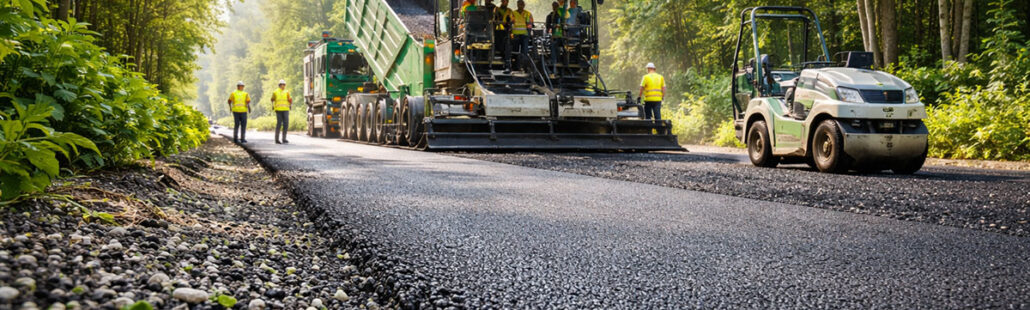
Access road resurfacing UK projects are usually planned as a single, coordinated operation. While the initial works may take longer than a patch repair, they significantly reduce the need for ongoing interventions, offering greater predictability for site managers.
Rising Liability and Safety Risks
Uneven surfaces, loose patches, and standing water increase the risk of accidents. For property owners, this raises potential liability concerns, particularly in high-footfall or high-traffic areas. A resurfaced access road provides a consistent, clearly defined surface that improves safety for vehicles and pedestrians alike.
Professional tarmac installation ensures correct compaction and finish, reducing hazards associated with poorly bonded repairs.
Financial Signals That Resurfacing Makes Sense
Escalating Repair Costs Over Time
While patching may appear cheaper in the short term, repeated repairs add up. Labour, materials, and call-out costs increase with each visit, and the underlying deterioration continues. Many clients only recognise the true cost once annual maintenance budgets are reviewed over several years.
Access road resurfacing UK works represent a larger upfront investment, but they often deliver better value when assessed over the expected lifespan of the surface. A properly installed resurfaced road can perform reliably for many years with minimal intervention.
Asset Value and Site Presentation
For commercial properties and residential developments, the condition of access roads contributes to overall site appearance and perceived value. A road marked by numerous patches and repairs can give an impression of neglect, even if the underlying site is well managed.
Resurfacing creates a clean, professional finish that aligns with broader property maintenance standards. This is particularly relevant for sites that receive visitors, tenants, or regular deliveries.
When Patching Still Has a Role
It is important to recognise that patching is not inherently unsuitable. Isolated defects caused by accidental damage or early-stage wear can often be repaired effectively. Services such as pothole repairs remain a valuable part of road maintenance strategies when used appropriately.
The key is accurate assessment. When damage becomes widespread, recurrent, or linked to structural issues, continuing to patch delays necessary resurfacing and increases long-term costs.
Planning an Effective Resurfacing Strategy
Assessing Current and Future Traffic Loads
Access roads often evolve over time as site usage changes. An increase in delivery frequency or heavier vehicles can accelerate surface wear. Resurfacing provides an opportunity to design a surface specification that matches current and anticipated demands.
Engaging experienced contractors in commercial surfacing ensures that thickness, materials, and construction methods are appropriate for the site’s operational needs.
Timing Works to Minimise Disruption
Resurfacing does not have to cause significant operational downtime if planned carefully. Scheduling works during quieter periods or in phases can maintain access while delivering long-term improvements. Early planning also allows for coordination with other site maintenance activities, reducing overall disruption.
Making the Right Decision for Your Access Road
Recognising the signs that patching is no longer sufficient is essential for effective road management. Widespread cracking, repeated repairs, surface deformation, drainage problems, and rising maintenance costs all point towards the need for access road resurfacing UK solutions.
By addressing issues comprehensively rather than reactively, property owners and site managers can improve safety, reduce long-term expenditure, and extend the usable life of their access roads. Resurfacing is not simply a cosmetic upgrade; it is a strategic investment in the performance and reliability of critical site infrastructure.