
- admin
- No Comments
- January 14, 2026
Tarmac vs Asphalt: What’s Best for UK Roads?
The debate around tarmac vs asphalt UK surfaces is common among property owners, developers, and commercial site managers planning new roadworks or resurfacing projects. Although the two materials are often spoken about interchangeably, they are not identical. Understanding how each performs in real UK conditions is essential when deciding which option is best suited to your site.
Both tarmac and asphalt are forms of bituminous surfacing, meaning they use bitumen as a binding agent. The key difference lies in their composition and how they are typically used. Tarmac, traditionally short for tarmacadam, uses tar or bitumen combined with aggregate, while modern asphalt relies on bitumen with a carefully graded aggregate mix. These differences affect durability, flexibility, maintenance needs, and long-term value.
How UK Climate Influences Surface Performance
British weather plays a significant role in determining how long a road surface lasts. Frequent rainfall, freeze-thaw cycles, and temperature fluctuations place continuous stress on access roads, car parks, and estate roads. When comparing tarmac vs asphalt UK applications, it is important to consider how each material responds to moisture and temperature change.
Asphalt is generally more flexible, allowing it to expand and contract without cracking as easily during cold winters and mild summers. This flexibility can be beneficial on roads exposed to repeated weather cycles. Tarmac, while still suitable for many UK sites, can be slightly less forgiving under extreme temperature changes, particularly if drainage is poor or the base layers are compromised.
Load Bearing and Traffic Considerations
One of the most important factors when choosing between tarmac and asphalt is the type and volume of traffic using the road. Residential access roads, light-use car parks, and footpaths place very different demands on a surface compared to industrial estates or commercial delivery routes.
Asphalt is often preferred for heavier traffic environments due to its strength and resistance to deformation. It performs well under frequent vehicle loads, including delivery lorries and service vehicles. Tarmac is commonly used for lighter-duty applications and can be perfectly effective where traffic levels are moderate and surface stress is lower.
For commercial sites with regular vehicle movements, professional commercial surfacing ensures the chosen material is specified and installed correctly for expected usage.
Installation Methods and Surface Finish
Installation quality has a significant impact on the performance of both materials. Poor preparation, inadequate compaction, or incorrect layer thickness can cause early failure regardless of whether tarmac or asphalt is used. When considering tarmac vs asphalt UK projects, it is essential to look beyond the material itself and focus on workmanship.
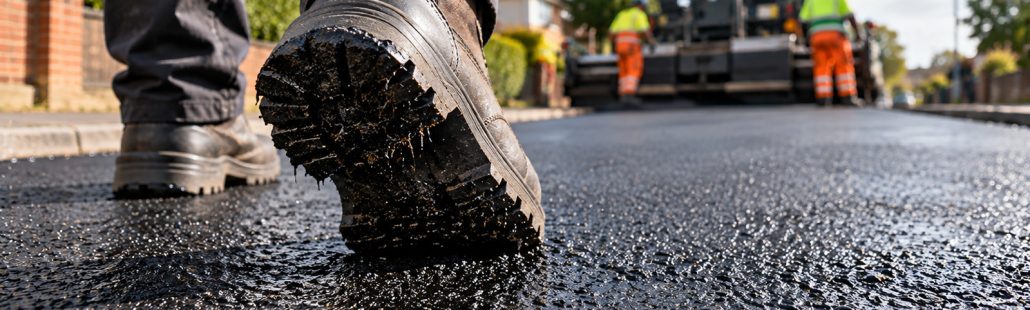
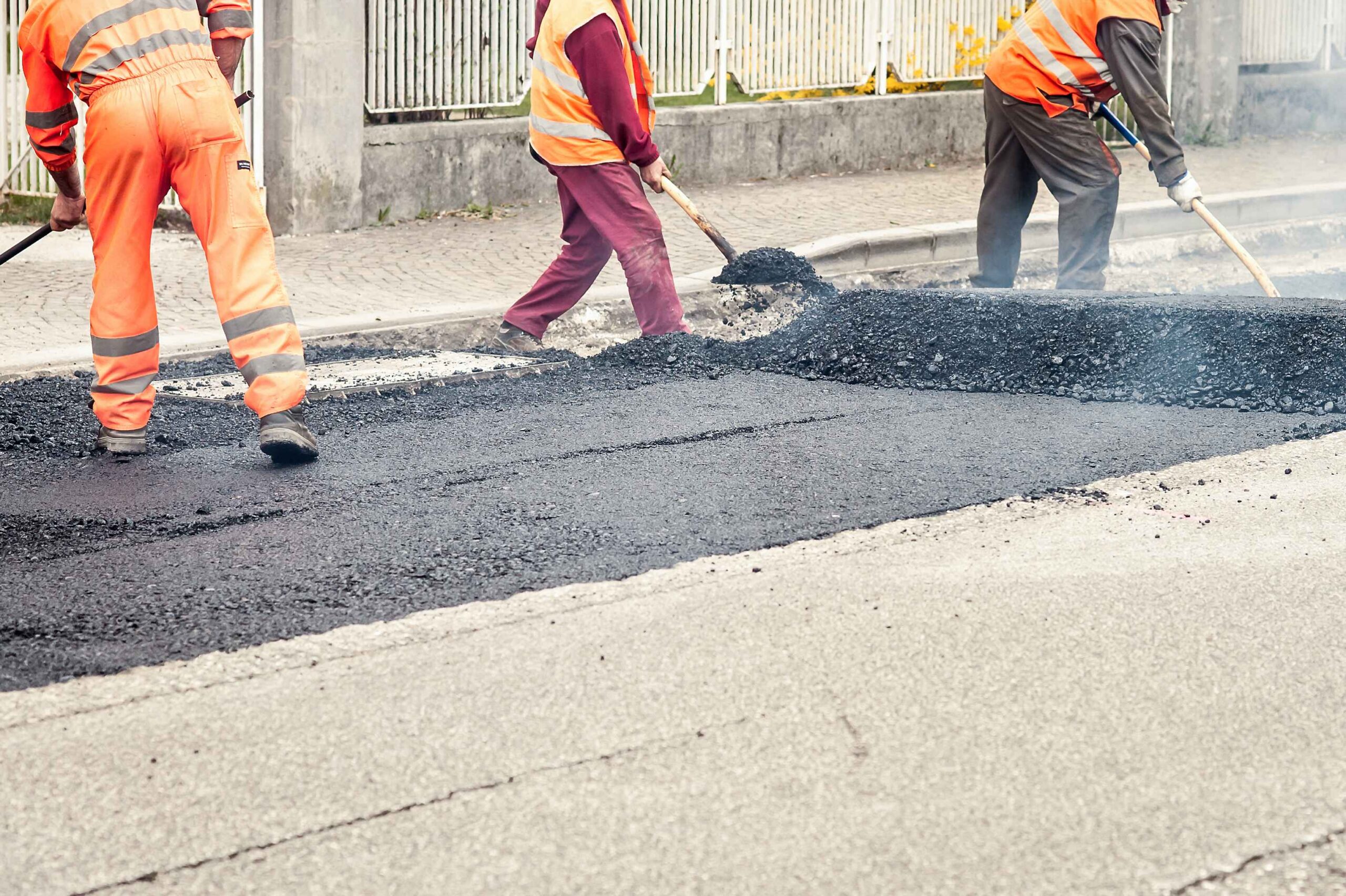
Asphalt is typically laid using modern paving machinery, allowing for consistent thickness and a smooth finish. Machine-laid surfaces are particularly beneficial on larger areas where uniformity and strength are critical. Tarmac can also be machine laid but is sometimes used for smaller areas where hand-laying is practical.
High-quality machine lay tarmac techniques help achieve a dense, durable surface that performs reliably over time, reducing early wear and surface defects.
Maintenance Requirements Over Time
Maintenance is another key consideration in the tarmac vs asphalt UK comparison. No surface is maintenance-free, but the frequency and type of repairs required can differ depending on material choice and site conditions.
Asphalt surfaces generally resist cracking and pothole formation better in high-traffic environments, which can reduce the need for frequent repairs. When maintenance is required, it often involves surface treatments or localised repairs that integrate well with the existing surface. Tarmac may require more regular attention in areas where traffic loads are higher or drainage is less effective.
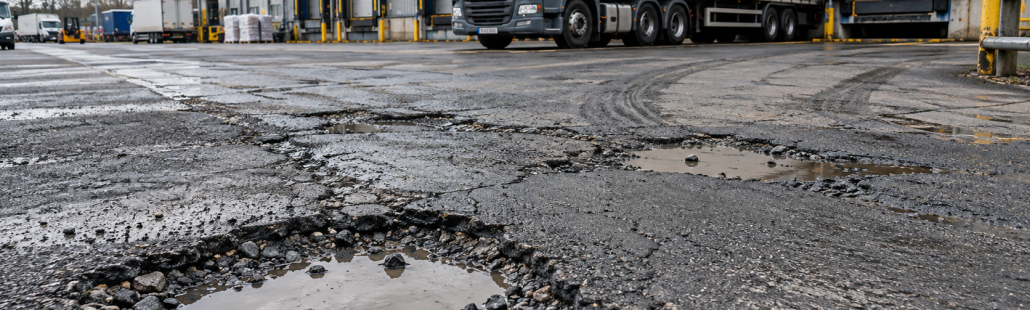
Regardless of surface type, prompt attention to defects is essential. Addressing early signs of damage through professional pothole repairs helps prevent water ingress and structural deterioration.
Drainage and Sub-Base Compatibility
Drainage is a critical factor that often determines whether a surface succeeds or fails. Standing water weakens the surface and the layers beneath, leading to cracking, potholes, and eventual base failure. In the context of tarmac vs asphalt UK roads, both materials rely on effective drainage to achieve their expected lifespan.
Asphalt’s flexibility can offer some resilience against minor water-related movement, but it is not a substitute for proper drainage design. Tarmac surfaces are particularly vulnerable where water is allowed to sit on the surface or penetrate through joints and cracks. Proper preparation of the sub-base and integration with existing drainage systems is essential for both materials.
Professional tarmac installation includes correct profiling and falls to ensure water is directed away from the surface, reducing long-term maintenance issues.
Cost Considerations and Long-Term Value
Initial cost is often one of the first questions raised when comparing tarmac vs asphalt UK options. Tarmac can sometimes appear more cost-effective upfront, particularly for smaller areas or lower-traffic sites. Asphalt may carry a higher initial price but often delivers better value over its lifespan in demanding environments.
Long-term value should be assessed by considering maintenance frequency, expected lifespan, and operational disruption. Repeated repairs, patching, and resurfacing can quickly offset any initial savings. For many commercial and industrial sites, investing in a surface that performs consistently over time reduces overall expenditure and improves site reliability.
Appearance and Site Presentation
While performance is critical, appearance also plays a role in surface selection. Access roads and car parks contribute to the overall impression of a property. Asphalt typically provides a darker, smoother finish that retains its appearance well with regular use. Tarmac offers a slightly lighter finish and can blend effectively with certain surroundings, particularly in residential or mixed-use areas.
Over time, surface appearance is influenced more by maintenance and traffic than by material choice alone. Regular inspections and timely repairs help preserve a professional, well-managed look regardless of whether tarmac or asphalt is used.
Suitability for Different UK Applications
There is no single answer to the question of tarmac vs asphalt UK suitability. The right choice depends on how and where the surface will be used. Tarmac is often suitable for residential access roads, small car parks, and footpaths where traffic levels are modest. Asphalt is generally better suited to main access roads, industrial estates, and areas exposed to frequent heavy vehicles.
Engaging experienced contractors who understand UK conditions ensures the surface is matched to the site rather than chosen solely on cost or familiarity.
Making an Informed Choice
Choosing between tarmac and asphalt is not simply a technical decision; it is a strategic one that affects safety, maintenance budgets, and site usability. By considering traffic demands, drainage, installation quality, and long-term performance, property owners can make informed decisions that support reliable access and reduced maintenance over time.
Understanding the real differences in tarmac vs asphalt UK applications helps avoid unsuitable specifications and ensures road surfaces perform as intended in challenging British conditions.