
- admin
- No Comments
- January 29, 2026
Surface Dressing vs Full Resurfacing: UK Comparison
When a road begins to show signs of wear, deciding between surface dressing and full resurfacing can be challenging. Both approaches are widely used across the UK, but they serve very different purposes and are suited to different levels of surface deterioration. For property owners and site managers, understanding these differences is essential for making informed maintenance decisions that balance cost, performance and long-term value.
Surface dressing UK treatments are often viewed as a preventative measure, designed to extend the life of an existing road surface that is still structurally sound. Full resurfacing, by contrast, is a more intensive solution used when the surface or underlying layers have deteriorated beyond the point where surface treatments alone can be effective.
What Is Surface Dressing?
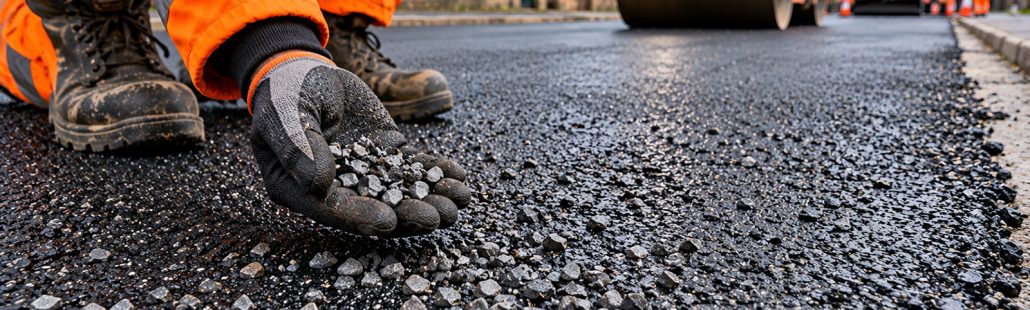
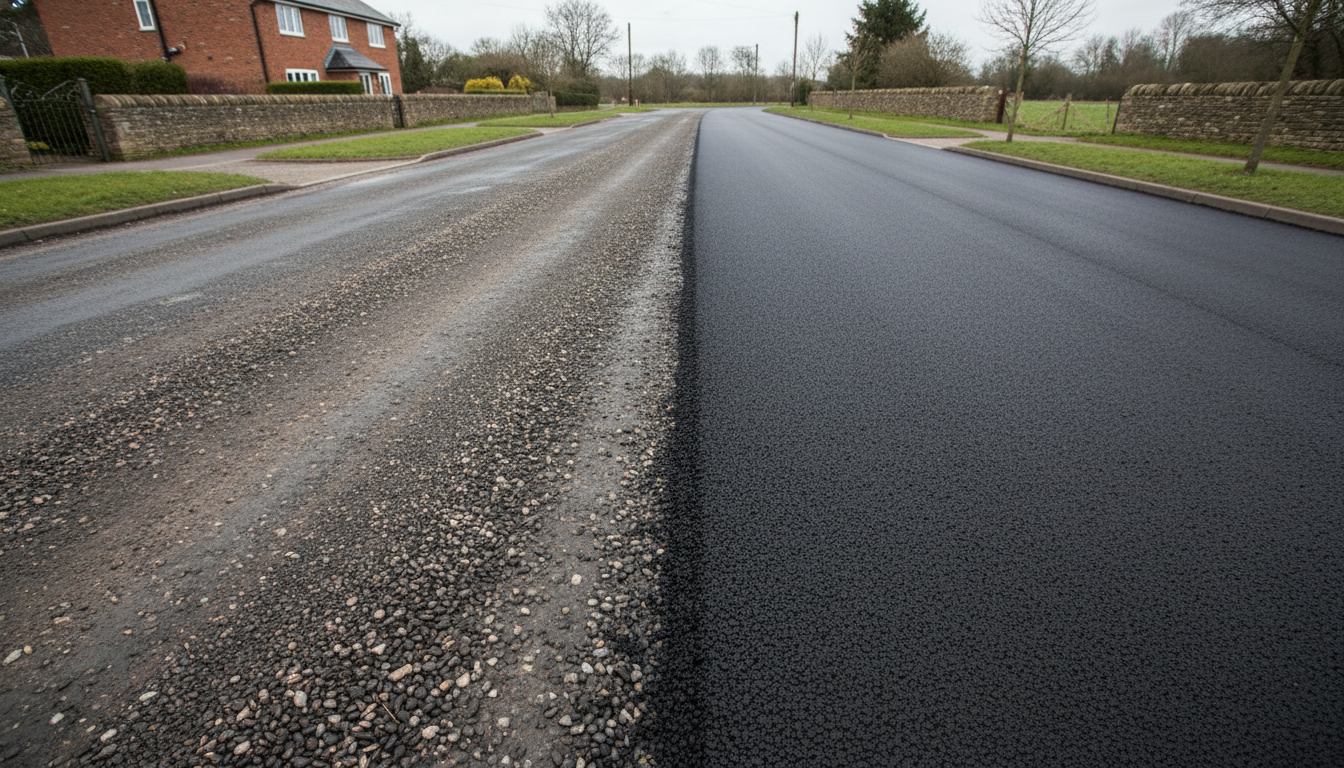
Surface dressing is a road maintenance technique that involves applying a thin layer of bitumen binder to the existing surface, followed by a layer of aggregate chippings. These chippings are then rolled into the binder to create a new wearing surface. The process seals the road, improves skid resistance and protects the underlying layers from water ingress.
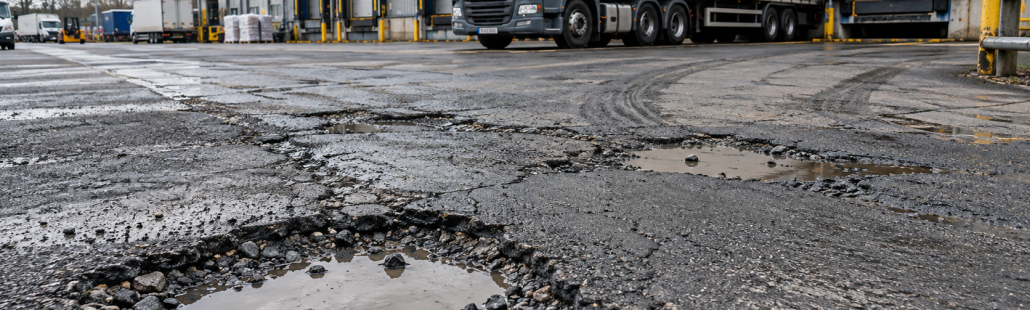
In the UK, surface dressing is commonly used on rural roads, lightly trafficked access roads and private estates where the surface remains structurally intact. It is not intended to correct major defects such as deep cracks, potholes or deformation, but rather to preserve a road that is still performing well.
What Is Full Resurfacing?
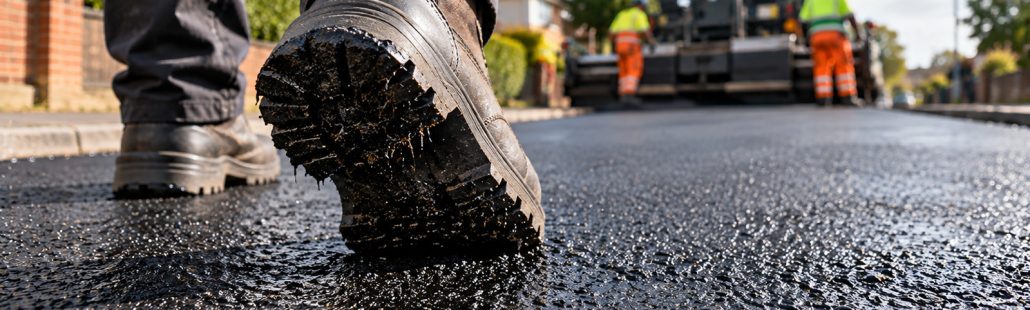
Full resurfacing involves removing or overlaying the existing surface and installing a new layer of asphalt or tarmac. In many cases, this also includes repairs to the base or sub-base if damage is present. The result is a new, uniform surface capable of handling traffic loads more effectively.
This approach is typically used when a road has reached the end of its service life or when surface failures indicate deeper structural issues. Full resurfacing provides a more robust and longer-lasting solution, particularly for roads subjected to regular heavy vehicle traffic.
Cost Differences Between the Two Options
One of the main reasons surface dressing UK treatments are attractive is their lower upfront cost. Because the process uses minimal material and can be completed quickly, it is significantly cheaper than full resurfacing. This makes it appealing for large areas where budgets are limited and the road condition is still relatively good.
Full resurfacing requires more materials, more labour and longer installation times, which increases initial costs. However, it is important to consider value over time. While resurfacing costs more at the outset, it often delivers a longer service life and reduces the need for frequent maintenance.
Lifespan and Durability Comparison
Surface dressing typically extends the life of a road by several years, provided it is applied at the right time. It works best on surfaces that have minor wear but no structural damage. If applied too late, when cracks and weaknesses are already present, its lifespan is significantly reduced.
Full resurfacing offers a much longer lifespan, particularly when combined with proper base repairs and drainage improvements. For commercial access roads and heavily trafficked areas, resurfacing can provide decades of reliable performance when correctly designed and installed.
Suitability for Different Types of Roads
Surface dressing UK solutions are best suited to roads with low to moderate traffic volumes. Residential estates, rural lanes and lightly used private roads often benefit from this approach, as it restores surface texture and protects against weathering without the disruption of major works.
Full resurfacing is more appropriate for commercial sites, industrial estates and access roads that experience frequent deliveries or heavy vehicles. In these environments, surface dressing is unlikely to withstand the loading demands, making resurfacing the more practical choice.
For sites that rely on reliable access for daily operations, investing in professional commercial surfacing can help ensure the road is built to cope with real-world usage.
Impact on Road Appearance and Texture
Surface dressing produces a textured, stone-finished appearance that improves skid resistance but may not suit all environments. Some property owners find the loose chippings initially inconvenient, particularly in residential or pedestrian-heavy areas.
Full resurfacing delivers a smooth, uniform finish that is often preferred for commercial premises and high-visibility sites. It provides a clean appearance and consistent driving surface, which can be important for safety, accessibility and overall site presentation.
Weather and Timing Considerations
Surface dressing UK works are highly weather dependent. The process requires dry conditions and suitable temperatures to ensure the binder cures correctly and the chippings adhere properly. As a result, surface dressing is usually carried out during warmer months.
Full resurfacing is more flexible in terms of timing, although extreme cold or wet conditions can still cause delays. Professional planning ensures that resurfacing works are scheduled to minimise disruption while maintaining quality standards.
Maintenance and Long-Term Performance
Surface dressed roads require careful monitoring after installation. Loose chippings must be managed, and early wear should be addressed promptly to maintain effectiveness. When properly maintained, surface dressing can be a cost-effective way to delay more extensive works.
Resurfaced roads generally require less frequent intervention, particularly when drainage and edge support are addressed as part of the project. This makes resurfacing a more stable long-term solution for sites where access reliability is critical.
If defects such as potholes are already present, targeted pothole repairs may be required before any surface treatment or resurfacing can be effective.
Environmental Considerations
Surface dressing uses fewer raw materials than full resurfacing, which can make it a more environmentally favourable option for suitable roads. It also extends the life of existing materials, reducing waste.
However, resurfacing can still be environmentally responsible when planned correctly, particularly if recycled asphalt is used and the road is designed to last longer, reducing the frequency of future works.
Choosing the Right Option for Your Site
The choice between surface dressing and full resurfacing should be based on the condition of the road, traffic levels and long-term expectations. Applying surface dressing to a road that is already failing is unlikely to deliver value, while resurfacing a road that only needs protection may be unnecessary.
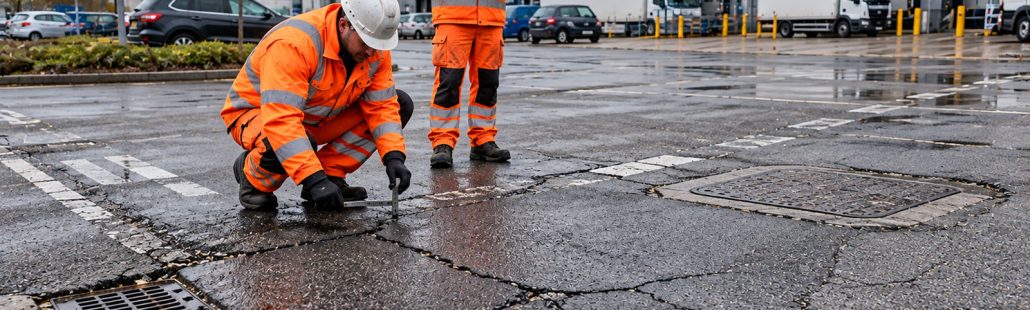
Professional assessment is key to making the right decision. Contractors experienced in tarmac installation can evaluate surface condition, structural integrity and usage patterns to recommend the most appropriate solution.
Making Informed Maintenance Decisions
Surface dressing UK treatments and full resurfacing both have a place in effective road maintenance strategies. The key is understanding what each method can and cannot achieve. By aligning the chosen approach with the actual condition and use of the road, property owners can avoid wasted expenditure and ensure safe, durable access for years to come.