
- admin
- No Comments
- February 25, 2026
Common Road Surfacing Questions UK Clients Ask
Road surfacing is a significant investment, whether for a commercial estate, industrial yard or private access road. It directly affects safety, access reliability and long-term maintenance budgets. It is therefore understandable that property owners and site managers raise detailed concerns before committing to works.
Many road surfacing questions UK clients ask revolve around cost, disruption, lifespan and material choice. Clear answers help ensure that decisions are based on practical understanding rather than assumptions. Addressing these common queries also helps prevent unrealistic expectations about performance and maintenance.
How Much Does Road Surfacing Cost in the UK?
Cost is usually the first question raised. The honest answer is that pricing varies depending on surface area, existing ground conditions, required thickness and traffic demands. A lightly used private road will differ significantly in cost from a commercial access route carrying heavy vehicles.
Surface type also influences cost. Standard asphalt and tarmac installations are typically more economical than decorative or specialist finishes. However, choosing solely on price can lead to higher long-term expenditure if the specification does not match usage.
Professional commercial surfacing ensures that the design reflects actual site demands, helping to balance upfront investment with durability.
How Long Does Road Surfacing Last?
Another of the most frequent road surfacing questions UK clients ask concerns lifespan. In general, a well-designed and professionally installed surface can last many years, often decades, depending on traffic levels and maintenance.
Durability depends heavily on preparation. The condition of the sub-base, drainage performance and load-bearing design are just as important as the surface material itself. Roads subjected to heavy vehicles or frequent turning movements require stronger construction to achieve comparable lifespan.
Regular inspection and timely maintenance also extend service life significantly.
How Long Will the Work Take?
Project duration depends on the size of the site, the extent of preparation required and weather conditions. Smaller access roads may be completed in a matter of days, while larger commercial yards require more time for excavation, base installation and surfacing.
Clients often worry about disruption to operations. Experienced contractors plan works carefully to minimise downtime and maintain access wherever possible. Clear communication before and during the project reduces uncertainty and allows businesses to prepare accordingly.
Can Surfacing Be Carried Out in Cold or Wet Weather?
Weather is a common concern in the UK. Asphalt and tarmac require appropriate temperatures and dry conditions to achieve correct compaction and bonding. While modern techniques allow for some flexibility, extreme cold or heavy rainfall can delay works.
Planning projects during suitable weather windows improves outcomes. Contractors monitor forecasts and adjust schedules to maintain quality standards rather than rushing installation in poor conditions.
What Is the Difference Between Tarmac and Asphalt?
Clients frequently ask about the difference between tarmac and asphalt, often using the terms interchangeably. In modern UK road construction, asphalt is the standard material used for most surfacing applications. Tarmac, historically referring to tar-bound macadam, is less common but the term remains widely used in everyday language.
Professional tarmac installation typically refers to the installation of asphalt surfacing designed for durability and performance. The key consideration is not terminology but selecting a mix suitable for the site’s traffic and load requirements.
Will the New Surface Be Strong Enough for Heavy Vehicles?
Commercial clients in particular want reassurance that their road will cope with HGVs, delivery vehicles and plant equipment. Surface strength is determined by total construction depth and base preparation, not just the top layer.
A professional contractor assesses expected traffic volume and axle loads before specifying materials. Strengthening high-stress areas such as loading bays and turning points is often recommended to prevent premature wear.
How Should a New Road Be Maintained?
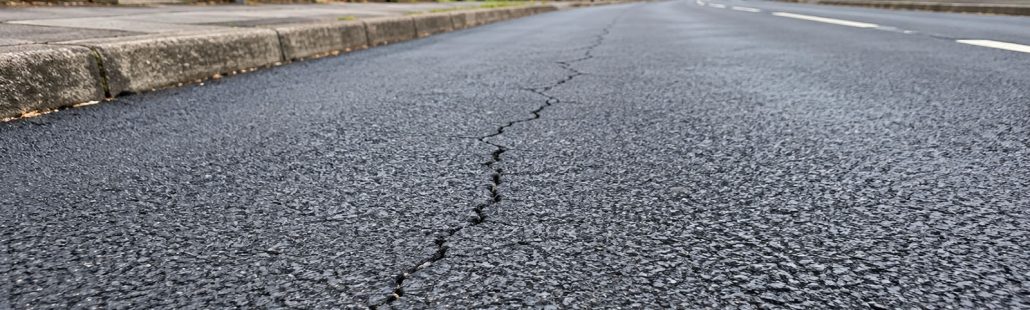
Maintenance expectations are another frequent topic among road surfacing questions UK clients ask. Newly surfaced roads require minimal intervention initially, but routine inspections are essential. Early identification of cracks or drainage issues prevents small problems from escalating.
Keeping drainage channels clear and avoiding overloading the surface also helps preserve performance. Prompt attention to minor defects can significantly reduce long-term maintenance costs.
For isolated issues that develop over time, professional pothole repairs can restore surface integrity without the need for widespread resurfacing.
Is Full Resurfacing Always Necessary?
Not every damaged road requires full reconstruction. In some cases, surface treatments or targeted repairs are sufficient. However, widespread cracking, repeated potholes or structural instability often indicate that resurfacing is the more cost-effective solution.
Professional assessment determines whether the underlying layers remain sound. If the base is compromised, patching alone will rarely provide lasting results.
How Can Disruption Be Minimised During Works?
Clients are understandably concerned about operational impact. Careful planning, phased works and clear communication are essential to reducing disruption. Contractors experienced in working on active sites understand the importance of maintaining safe access and coordinating with site management.
Advanced planning allows for temporary diversions or alternative access arrangements where necessary, helping businesses continue operating during construction.
What Guarantees or Assurances Should Be Expected?
While exact guarantees vary between contractors, professional workmanship should always be backed by confidence in materials and installation standards. Clear documentation, written specifications and transparent communication are all signs of a reputable contractor.
Choosing an experienced road surfacing contractor UK provides reassurance that industry best practice is followed from preparation through to completion.
Making Informed Decisions About Road Surfacing
The wide range of road surfacing questions UK clients ask reflects the importance of getting these projects right. Roads are long-term assets that support daily operations, safety and property value. Understanding costs, lifespan, materials and maintenance requirements allows property owners to make confident, informed decisions.
By seeking professional advice, prioritising preparation and selecting appropriate materials, clients can achieve durable surfaces that perform reliably for many years.