
- admin
- No Comments
- March 15, 2026
How to Budget for Commercial Road Resurfacing in the UK
Commercial road resurfacing is a significant capital expense, but it should never be viewed as a surprise cost. Access roads, car parks and yard areas are operational assets. When they deteriorate, they affect safety, vehicle wear, drainage performance and overall site presentation.
Budgeting properly for resurfacing allows businesses to plan works strategically rather than reacting to failure. A structured financial approach reduces disruption, prevents emergency repairs and helps ensure the chosen specification delivers long-term value rather than short-term savings.
Assessing the Current Condition of the Road
The first step in budgeting is understanding the actual condition of the existing surface. Not every worn road requires full reconstruction. Some may only need resurfacing, while others may require structural strengthening beneath the surface.
A professional site inspection should assess cracking patterns, rutting, drainage effectiveness and sub-base stability. Roads with repeated patching or widespread edge breakdown often indicate deeper structural fatigue. The more accurate the assessment, the more realistic the budget planning will be.
Investing in proper evaluation early prevents underestimating project scope.
Determining the Scope of Works
Resurfacing projects vary significantly in scale. A straightforward overlay differs greatly from full planing and replacement. The chosen approach will depend on traffic levels, existing structural integrity and long-term usage plans.
For commercial sites expecting heavy vehicles, reinforcing high-stress areas may be necessary. Planning for these additional works during budgeting avoids unexpected cost increases later.
Professional commercial surfacing assessments help define accurate project scope aligned with operational demands.
Considering Structural Depth and Specification
One of the most important budgeting factors is the thickness and type of materials used. Thicker construction and higher-performance asphalt mixes increase upfront cost but improve durability and reduce maintenance frequency.
Budget planning should consider whole-life cost rather than just installation price. Roads built to minimum specification often require earlier intervention, increasing long-term expenditure. Strengthening entrance points, loading bays and turning areas during resurfacing can prevent recurring defects.
Proper tarmac installation ensures that material selection and thickness reflect actual site usage.
Accounting for Ground Preparation and Drainage
Surface replacement alone may not resolve underlying issues. Weak sub-base layers, poor compaction or drainage deficiencies can undermine resurfacing efforts. Budgeting should include potential ground improvements if inspection reveals instability.
Drainage upgrades, kerb repairs and edge reinforcement may also be required. While these elements increase initial investment, they significantly extend surface lifespan and reduce future maintenance costs.
Ignoring these structural considerations often results in repeated patching and higher cumulative expenditure.
Planning for Traffic Management and Operational Impact
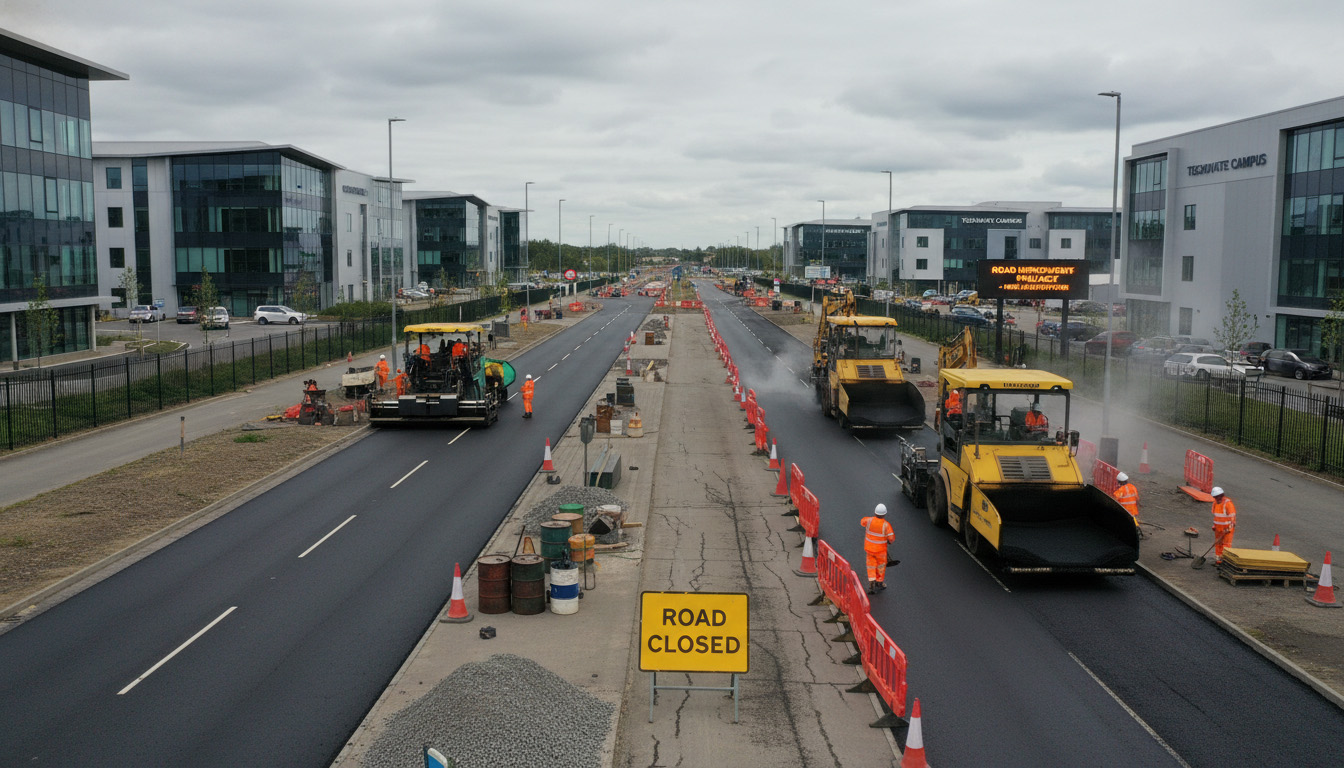
Resurfacing commercial roads may require temporary closures, phased works or restricted access. Budgeting should account for potential operational adjustments during construction.
Careful scheduling reduces downtime, but some disruption is unavoidable. Factoring in contingency costs for alternative access arrangements or adjusted delivery schedules ensures financial preparedness.
Experienced contractors can help minimise disruption through phased planning and efficient installation methods.
Factoring in Weather and Timing
Weather conditions influence both scheduling and cost. Surfacing works are typically more efficient during stable, dry periods. Delays caused by adverse weather may affect project timelines.
Budgeting with flexibility allows for minor scheduling adjustments without compromising quality. Planning resurfacing during suitable seasonal windows helps ensure optimal results.
Including Maintenance Planning in the Budget
Resurfacing should be part of a broader maintenance strategy. Allocating funds for routine inspections and minor repairs after installation extends surface lifespan and protects investment.
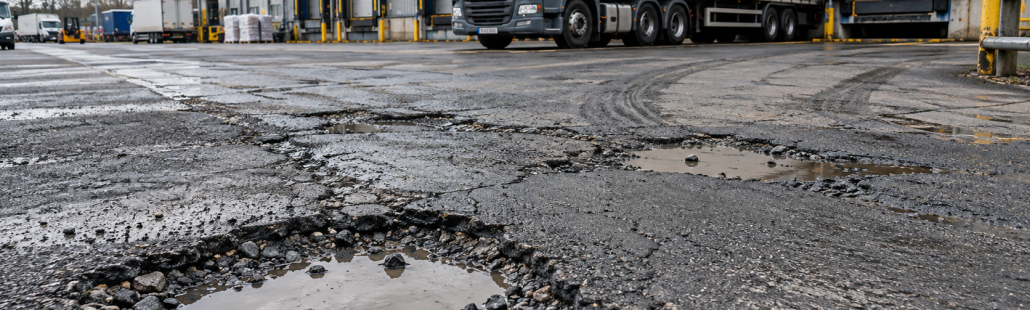
Early intervention through professional pothole repairs prevents minor defects from escalating into structural failure. Including ongoing maintenance within financial planning reduces unexpected future costs.
Evaluating Long-Term Financial Benefits
Although resurfacing represents a significant upfront expense, it often delivers measurable financial benefits over time. Improved surface condition reduces vehicle damage, enhances safety and lowers liability risk.
Well-maintained roads also enhance site appearance, supporting tenant retention and professional reputation. When viewed over a 10 to 20-year period, proactive resurfacing is typically more cost-effective than reactive repairs.
Building a Realistic Contingency Allowance
No construction project is entirely predictable. Hidden defects may be uncovered once work begins. Including a contingency allowance within the resurfacing budget provides flexibility to address unforeseen issues without financial strain.
This approach ensures that quality is not compromised if additional ground preparation or reinforcement becomes necessary.
Making Informed Investment Decisions
Budgeting for commercial road resurfacing in the UK requires careful planning, realistic cost evaluation and a focus on long-term performance. Accurate assessment, appropriate specification and allowance for structural improvements all contribute to financial stability.
By taking a proactive and structured approach, property owners and site managers can manage resurfacing costs effectively while delivering durable, high-performing access infrastructure.