
- min min
- No Comments
- March 21, 2026
How to Prevent Surface Rutting in High-Traffic Yard Areas
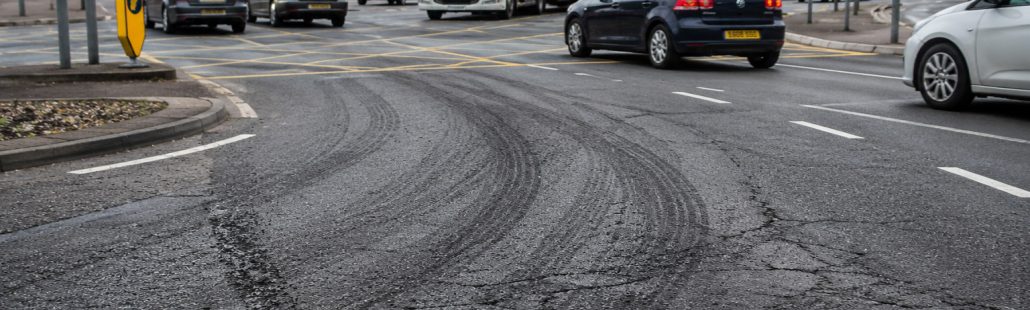
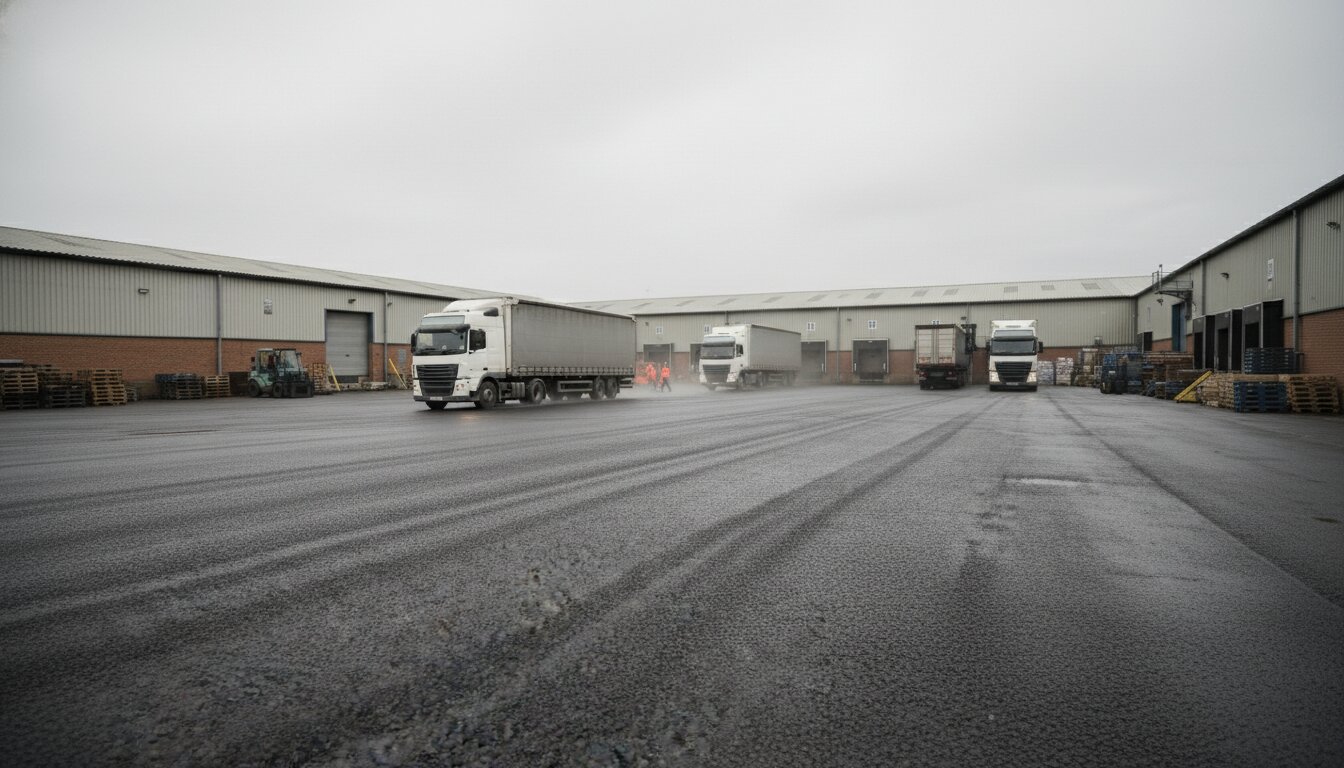
Surface rutting is one of the most frequent problems seen in high-traffic yard areas across the UK. It appears as depressions or grooves forming along wheel paths, particularly where heavy vehicles repeatedly follow the same route. Over time, these ruts deepen, hold water and compromise both safety and structural integrity.
Yard environments are especially vulnerable because they combine slow-moving heavy vehicles, tight turning manoeuvres and concentrated loading. Unlike public highways, traffic patterns are predictable and repetitive, which intensifies stress on specific sections of the surface.
Preventing rutting requires understanding both the causes and the structural solutions that reduce long-term deformation.
Understanding What Causes Surface Rutting
Rutting occurs when the road surface and underlying layers are unable to resist repeated traffic loading. There are two primary causes: structural weakness and surface deformation.
Structural rutting happens when the sub-base or base layers compress under load. Surface rutting occurs when the asphalt itself deforms due to insufficient strength or excessive heat. In high-traffic yard areas, both factors often contribute.
Slow-moving heavy vehicles create sustained vertical pressure, while braking and turning introduce additional lateral forces. If the yard was not originally designed to withstand these stresses, rutting is likely to develop.
Designing for Heavy Traffic From the Outset
The most effective way to prevent rutting is to design yard areas specifically for heavy and repetitive loading. Many commercial yards fail because they were built to lighter standards than their operational demands require.
Increasing total pavement thickness and strengthening the binder layer improves load distribution. A robust foundation prevents stress from concentrating in wheel paths. Professional commercial surfacing ensures yard areas are constructed to reflect actual vehicle movements rather than minimum specifications.
Designing for future traffic growth is also important. Yards that accommodate increased deliveries or larger vehicles must be capable of supporting higher loads.
Strengthening High-Stress Zones
Not all yard areas experience equal pressure. Loading bays, turning circles and entry points endure significantly more stress than straight sections. Reinforcing these zones during installation reduces the likelihood of rut formation.
This may involve thicker asphalt layers or enhanced sub-base preparation. Professional tarmac installation can incorporate targeted strengthening where needed.
Addressing high-stress zones proactively prevents recurring damage and reduces long-term repair costs.
Ensuring Proper Compaction
Compaction plays a critical role in rut resistance. Insufficiently compacted sub-base or asphalt layers contain air voids that compress under load. This gradual compression leads to visible surface depressions.
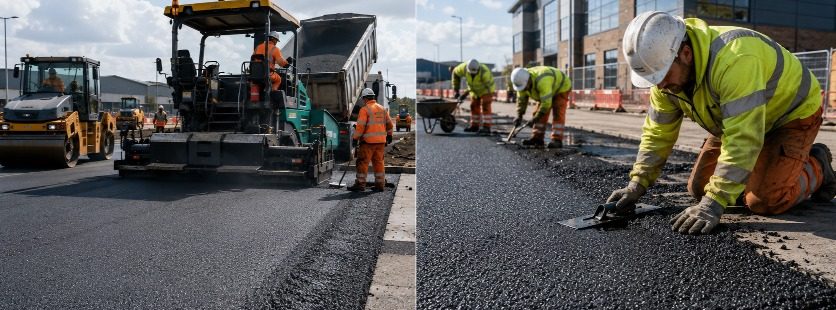
Correct rolling procedures and density testing ensure each layer achieves optimal strength before the next is applied. Skipping this stage to save time often results in premature deformation.
Quality workmanship at installation is one of the most important factors in preventing rutting.
Managing Drainage to Protect Structural Strength
Water significantly increases the risk of rutting. When moisture infiltrates the structure, it weakens the bond between aggregates and reduces load-bearing capacity. Softened layers are more susceptible to compression under heavy traffic.
Effective drainage systems prevent water from pooling or penetrating beneath the surface. Maintaining clear gullies and ensuring proper falls across the yard protects long-term structural integrity.
Where localised depressions already hold water, timely pothole repairs may stabilise affected sections before rutting worsens.
Selecting the Right Asphalt Mix
Material choice influences resistance to deformation. High-performance asphalt mixes designed for heavy-duty applications provide greater resistance to rutting than standard residential-grade materials.
In areas exposed to high temperatures or intense loading, selecting mixes with improved stiffness and aggregate structure enhances durability. Professional specification ensures materials align with operational needs.
Controlling Vehicle Movements
Although construction quality is critical, traffic management can also reduce rut formation. Distributing vehicle routes across wider areas prevents concentrated stress in a single wheel path.
Reconfiguring yard layouts to widen turning radii reduces torsional forces that accelerate deformation. Encouraging gradual acceleration and braking further minimises stress on the surface.
Operational adjustments combined with structural improvements create the most effective long-term solution.
Monitoring and Early Intervention
Early signs of rutting include shallow depressions, minor cracking along wheel paths and uneven surface texture. Addressing these issues promptly prevents them from deepening into structural failures.
Regular inspection of high-traffic areas allows property managers to plan targeted maintenance rather than responding to advanced damage. Proactive management reduces downtime and avoids costly full resurfacing.
Long-Term Cost Benefits of Preventing Rutting
Preventing rutting is far more cost-effective than repairing severe deformation. Deep ruts often require extensive planing and reconstruction, which disrupts operations and increases expense.
Investing in correct design, durable materials and proper installation extends yard lifespan significantly. For commercial sites reliant on efficient vehicle movement, maintaining a stable surface protects both safety and operational continuity.
Building Yard Surfaces That Resist Deformation
High-traffic yard areas face unique pressures that standard road construction may not accommodate. Preventing surface rutting requires strong foundations, appropriate materials and attention to vehicle movement patterns.
By strengthening vulnerable zones, improving drainage and ensuring professional installation standards, commercial sites can achieve durable, rut-resistant yard surfaces that perform reliably under sustained heavy use.