
- admin
- No Comments
- July 8, 2026
How Anti-Slip Surfacing Reduces Liability Risks
Every commercial property owner has a duty to provide a safe environment for employees, customers, visitors and contractors. While many businesses focus on building security and health and safety procedures, the condition of external surfaces is often overlooked.
A wet entrance, worn footpath or polished tarmac surface can quickly become a serious slip hazard. Even a single accident can result in injury claims, operational disruption and costly legal proceedings.
Investing in anti-slip surfacing is one of the most effective ways to improve site safety while reducing long-term liability risks.
Understanding the Risk of Slips and Falls
Slips and trips remain one of the most common causes of workplace and public accidents across the UK. External surfaces become particularly hazardous during periods of rain, frost, leaf fall and icy weather.
Commercial premises experience constant foot traffic throughout the year. Office buildings, retail parks, schools, industrial estates and healthcare facilities all rely on safe access routes that remain effective in changing weather conditions.
Surface grip plays a significant role in reducing accident risk.
What Is Anti-Slip Surfacing?
Anti-slip surfacing refers to specially designed materials or surface treatments that increase grip underfoot. These systems are engineered to improve traction without compromising durability or appearance.
Depending on the application, anti-slip finishes may include high-friction aggregates, textured coatings or specialist resin systems designed to maintain grip in both dry and wet conditions.
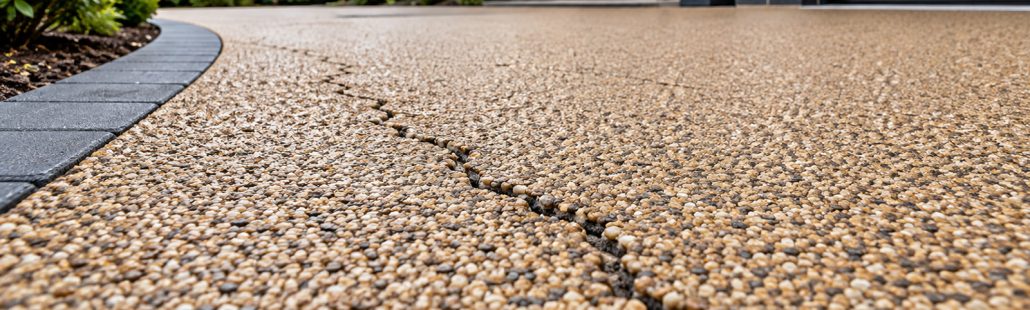
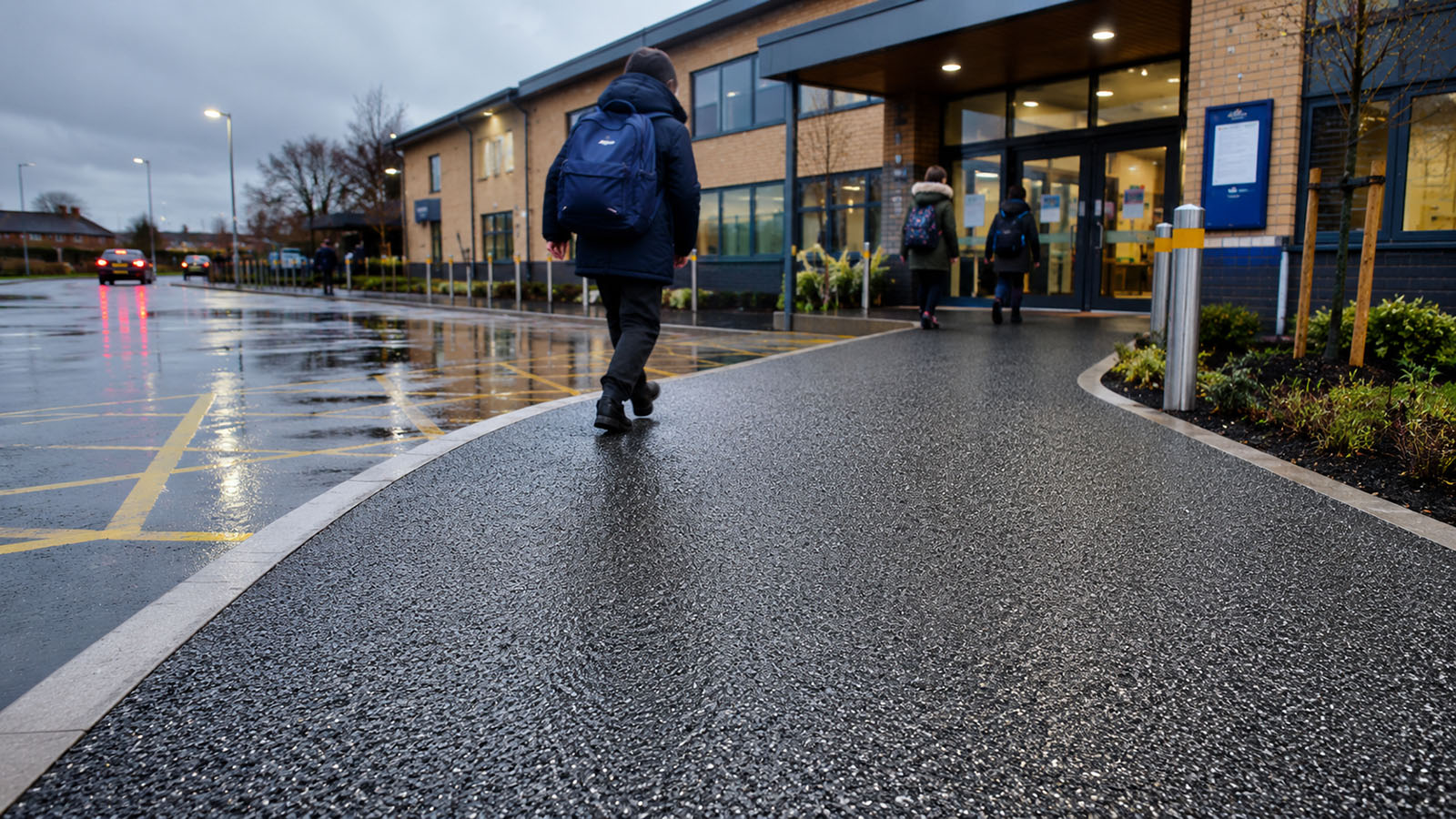
Professional resin bound surfacing can also provide excellent slip resistance while delivering an attractive finish for pedestrian areas, pathways and commercial entrances.
High-Risk Areas That Need Extra Protection
Not every surface experiences the same level of risk. Certain locations are far more likely to become hazardous because of heavy foot traffic or exposure to the elements.
Entrances to office buildings, pedestrian crossings, disabled access routes, ramps, loading areas, external stairways and public walkways all benefit from improved slip resistance.
By identifying these higher-risk areas, businesses can prioritise upgrades where they will have the greatest impact.
Reducing the Risk of Liability Claims
When an accident occurs on commercial premises, investigators often examine whether reasonable steps were taken to minimise foreseeable risks.
Poorly maintained or excessively slippery surfaces may increase the likelihood of liability claims if it can be shown that hazards were not addressed appropriately.
Installing anti-slip surfacing demonstrates a proactive approach to site safety and risk management. Combined with regular inspections and maintenance, it helps businesses provide safer environments for everyone using the property.
The Importance of Proper Maintenance
Even the best anti-slip surface requires routine maintenance to remain effective.
Dirt, algae, moss and accumulated debris can reduce grip over time if left untreated. Regular cleaning helps preserve the textured finish while ensuring drainage remains effective.
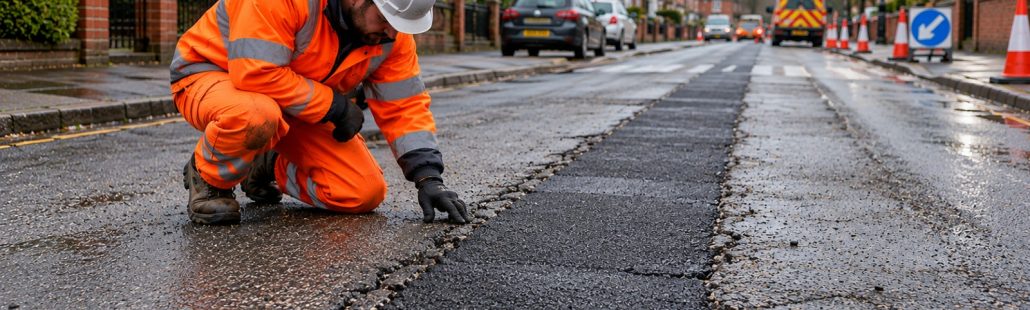
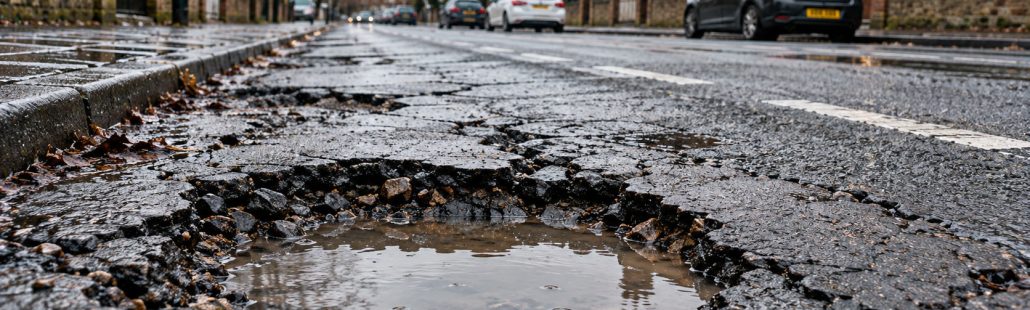
Where surface defects begin to develop, prompt pothole repairs prevent further deterioration and reduce additional safety hazards.
Anti-Slip Surfacing for Vehicle Areas
While anti-slip treatments are often associated with pedestrians, they also provide benefits for vehicles.
Steep access roads, loading bays, ramps and service yards can become extremely slippery during wet or icy conditions. Improving surface grip enhances vehicle traction, reducing the likelihood of skidding during braking or acceleration.
Professional commercial surfacing solutions can incorporate high-friction materials specifically designed for these demanding environments.
Choosing the Right Surface for Your Site
Different commercial environments require different surfacing solutions. A school entrance has very different requirements from an industrial loading bay or a retail park.
Factors such as pedestrian numbers, vehicle movements, drainage, weather exposure and maintenance requirements should all influence material selection.
Experienced contractors assess these conditions before recommending the most appropriate anti-slip solution for each area.
A Long-Term Investment in Safety
Although anti-slip surfacing represents an upfront investment, it often delivers substantial long-term savings.
Reducing accident risk helps minimise disruption, lowers maintenance costs associated with damaged surfaces and may reduce the likelihood of expensive liability claims.
In many cases, improved safety also enhances customer confidence and creates a more professional appearance throughout the site.
Conclusion
Anti-slip surfacing is far more than a surface treatment—it is an investment in safety, compliance and long-term asset protection.
By improving grip in high-risk areas, businesses can reduce the likelihood of slips, trips and vehicle incidents while creating safer environments for staff and visitors alike.
Combined with regular inspections, prompt maintenance and professional installation, anti-slip surfacing helps commercial property owners protect both their infrastructure and their reputation for years to come.