
- min min
- No Comments
- December 25, 2025
Can Tarmac Be Laid in Cold UK Weather? Facts vs Myths
As winter approaches, many UK property owners and commercial site managers assume that all tarmac works must stop until spring. This assumption is understandable, as cold weather does create genuine challenges for road surfacing. However, it is also one of the most persistent myths in the industry. The reality is that tarmac cold weather UK projects are possible under certain conditions, provided the limitations are properly understood and respected.
Tarmac is a temperature-sensitive material that relies on heat for correct placement and compaction. When temperatures drop, the margin for error becomes smaller, and poor decisions can quickly lead to premature failure. This is why separating facts from myths is essential before deciding whether winter surfacing is viable for your site.
The Myth That Tarmac Cannot Be Laid in Winter
One of the most common misconceptions is that tarmac simply cannot be laid during the winter months in the UK. This belief usually stems from seeing failed repairs carried out during poor weather, rather than from an understanding of the material itself. Winter does not automatically make tarmac installation impossible, but it does make it less forgiving.
There are many winter days where temperatures remain within acceptable ranges, especially during milder spells. Professional contractors assess actual site conditions rather than relying on the calendar. Air temperature, ground temperature, moisture levels, and forecast stability all matter far more than the month of the year.
Temperature Limits That Actually Matter
Temperature is the most critical factor when considering tarmac cold weather UK installation. Fresh tarmac must be hot enough to allow full compaction before it cools and stiffens. If it cools too quickly, it cannot be properly compacted, leaving air voids that weaken the surface and allow water ingress.
As a general rule, laying tarmac becomes high risk when air temperatures approach freezing or when the ground beneath is frozen. Frozen ground prevents proper bonding between layers and often leads to movement and cracking once temperatures rise again. For this reason, reputable contractors will never lay tarmac onto frozen sub-bases, regardless of project pressure or deadlines.
Wind chill is another factor that is often overlooked. Strong winds can rapidly reduce the temperature of the material, shortening the available working time. This is why winter installations require tighter planning, faster execution, and the right equipment.
Why Moisture Is Just as Important as Cold
Cold weather in the UK is often accompanied by rain, sleet, or frost, all of which introduce moisture-related risks. Even if temperatures are technically suitable, moisture can make tarmac installation impractical. Laying tarmac onto damp surfaces prevents proper adhesion and can trap water beneath the surface, leading to early failure.
Surfaces must be completely dry before installation begins. This is particularly important for access roads, car parks, and commercial yards where standing water is common. When moisture becomes trapped and later freezes, it expands and accelerates cracking and surface breakdown.
This is why winter surfacing decisions should always be based on real-time site assessments rather than assumptions about what should be possible.
Repairs Versus Full Surfacing in Cold Weather
Not all tarmac works carry the same level of risk in winter. Small-scale repairs are often more achievable than full resurfacing projects because they involve smaller areas that cool more slowly and can be compacted more effectively.
In situations where safety or access is compromised, professional pothole repairs can provide temporary stability and reduce further deterioration until permanent works can be scheduled in better conditions. These repairs are particularly valuable on commercial sites where vehicle damage or trip hazards cannot be ignored.
Larger installations, such as full access road resurfacing, typically require longer working times and more stable conditions. In many cases, it is more cost-effective to manage risk through interim repairs rather than force a full installation during unsuitable weather.
How Modern Equipment Improves Winter Outcomes
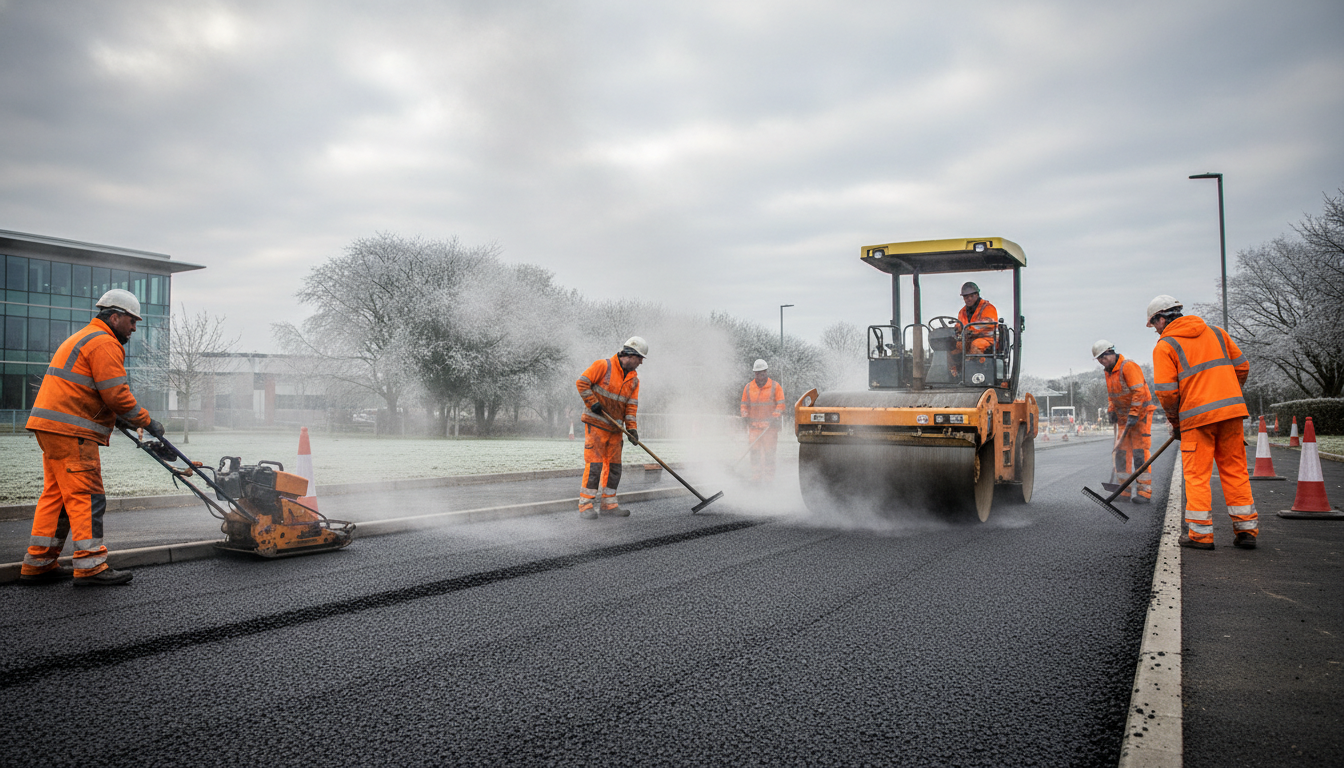
Advances in machinery have improved the reliability of tarmac cold weather UK installations when conditions allow. Modern laying equipment helps retain heat from the production plant to the point of installation, reducing temperature loss during transport and placement.
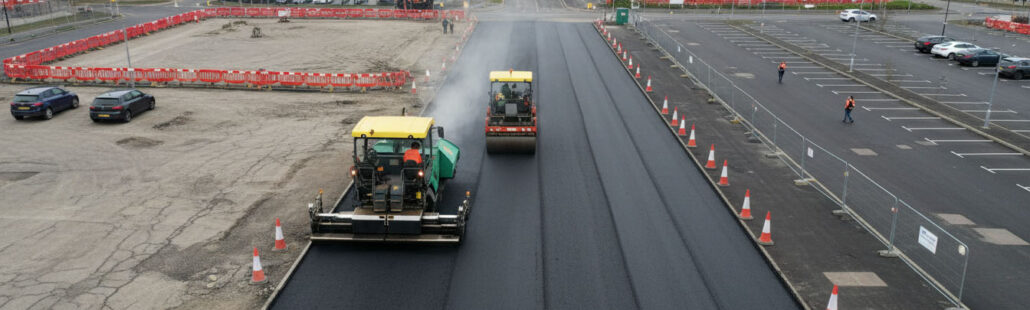
Using machine lay tarmac techniques allows for faster, more consistent installation and compaction. This reduces exposure to cold air and improves the chances of achieving the required density before cooling occurs. For larger commercial areas, this approach significantly improves winter performance compared to manual methods.
Professional contractors may also adjust mix designs during colder months to improve workability within shorter compaction windows.
The Risks of Ignoring Weather Constraints
Attempting to lay tarmac when conditions are unsuitable almost always leads to problems. Poorly compacted surfaces are more prone to cracking, fretting, and water penetration. Once water enters the structure, frost action accelerates deterioration and shortens the surface lifespan.
For commercial properties, this can mean higher maintenance costs, operational disruption, and increased liability risks. A surface that fails within a year often costs far more to correct than waiting for appropriate conditions in the first place.
Understanding these risks reinforces why experienced contractors sometimes advise postponement, even when a project feels urgent.
When Winter Tarmac Installation Makes Sense
Despite the limitations, there are scenarios where winter tarmac work is justified. Emergency access routes, safety-critical areas, and time-sensitive commercial operations may require immediate attention. In these cases, careful planning and realistic expectations are essential.
Specialist commercial surfacing assessments help determine whether winter installation will meet performance requirements or whether temporary measures are more appropriate. This professional judgement protects property owners from making decisions that lead to avoidable failure.
Clear communication between contractor and client is vital, particularly regarding weather monitoring and the possibility of postponement if conditions change.
The Value of Professional Installation Standards
Cold weather leaves little room for error, which makes professional standards even more important. Experienced contractors understand when to proceed, when to pause, and when to advise alternative solutions. This includes ensuring correct sub-base conditions, proper surface preparation, and suitable compaction methods.
Engaging specialists in tarmac installation ensures that work is only carried out when conditions meet minimum performance thresholds. This approach prioritises long-term durability rather than short-term convenience.
Planning Ahead to Avoid Winter Limitations
The most effective way to avoid winter surfacing challenges is early planning. Identifying surface wear, drainage issues, and structural weaknesses in autumn allows property managers to schedule major works outside the coldest months.
Regular inspections and early consultation help prevent situations where urgent repairs are required during unsuitable conditions. Where winter work cannot be avoided, having a clear plan and professional advice reduces risk and improves outcomes.
Making Informed Decisions About Cold Weather Tarmac
The key lesson for UK property owners is that tarmac cold weather UK projects are not defined by myths but by conditions. Temperature, moisture, wind, and ground stability all influence whether installation is viable.
By understanding these factors and working with experienced professionals, site managers can make informed decisions that protect both budgets and surface performance. Winter does not automatically rule out tarmac work, but it demands a higher standard of planning and execution.