
- min min
- No Comments
- February 9, 2026
Why Potholes Keep Coming Back on UK Roads
Potholes are one of the most common and frustrating road defects faced by UK property owners, site managers and local authorities. What often causes the greatest concern is not the appearance of potholes themselves, but the fact that they frequently return in the same locations despite repeated repairs. Recurring potholes UK sites experience are rarely the result of bad luck or isolated surface wear. In most cases, they are a symptom of deeper structural problems that have not been properly addressed.
Understanding why potholes keep coming back requires looking beyond the visible damage. While surface repairs may temporarily improve appearance and usability, they often fail to resolve the underlying causes that lead to repeated breakdown. For anyone responsible for maintaining access roads, car parks or commercial yards, recognising these causes is essential for achieving lasting results.
How Potholes Form in the First Place
Potholes develop when the road surface is weakened and begins to break apart under traffic loading. Water plays a critical role in this process. When moisture enters cracks or joints in the surface, it penetrates into the base layers beneath. In colder conditions, this water freezes and expands, forcing the surrounding material apart and creating voids.
As vehicles pass over these weakened areas, the surface begins to collapse. Over time, loose material is displaced, forming a pothole. While this process can occur on any road, it is particularly common where drainage is poor or where surfaces are already nearing the end of their service life.
Why Surface Repairs Often Fail
One of the main reasons recurring potholes UK property owners encounter is the reliance on surface-level repairs. Filling a pothole without addressing the condition of the surrounding surface and the layers beneath may provide a short-term fix, but it rarely delivers durability.
If the base material is saturated, unstable or inadequately compacted, the repaired area remains vulnerable. Traffic loading quickly reintroduces stress, causing the patch to loosen and fail. This is why potholes often reappear in exactly the same spot, sometimes within months or even weeks of repair.
The Role of Base Failure in Recurring Potholes
Base failure is one of the most significant contributors to recurring potholes UK roads experience. The base and sub-base layers are responsible for distributing vehicle loads evenly across the ground. When these layers weaken due to water ingress, poor construction or age-related deterioration, they lose their ability to support the surface.
Once base failure occurs, the surface above has little chance of performing reliably. Even high-quality repair materials will struggle if they are laid over unstable foundations. This is why repeated patching without deeper investigation often leads to ongoing maintenance problems rather than resolution.
Drainage Issues That Lead to Repeated Breakdown
Poor drainage is closely linked to recurring potholes. Standing water on the surface, blocked gullies or ineffective falls allow moisture to remain in contact with the road for extended periods. Over time, this water seeps into joints, cracks and edges, weakening the structure from within.
In many cases, potholes form in areas where drainage issues are already present, such as low points, edges or near service covers. Without improving drainage performance, repairs are exposed to the same conditions that caused the original failure, making repeat damage almost inevitable.
Traffic Loading and Its Impact on Repair Longevity
Traffic characteristics play a major role in how long repairs last. Heavy vehicles, slow-moving traffic and tight turning areas place concentrated stress on the surface. On commercial sites, loading bays and access routes often experience far greater wear than straight-running sections of road.
Recurring potholes UK commercial environments see are frequently linked to these high-stress areas. If repairs are not designed to cope with the actual traffic loading, they are likely to fail prematurely. This is particularly true where access roads were originally constructed to lighter specifications than current usage demands.
Poor Preparation and Workmanship
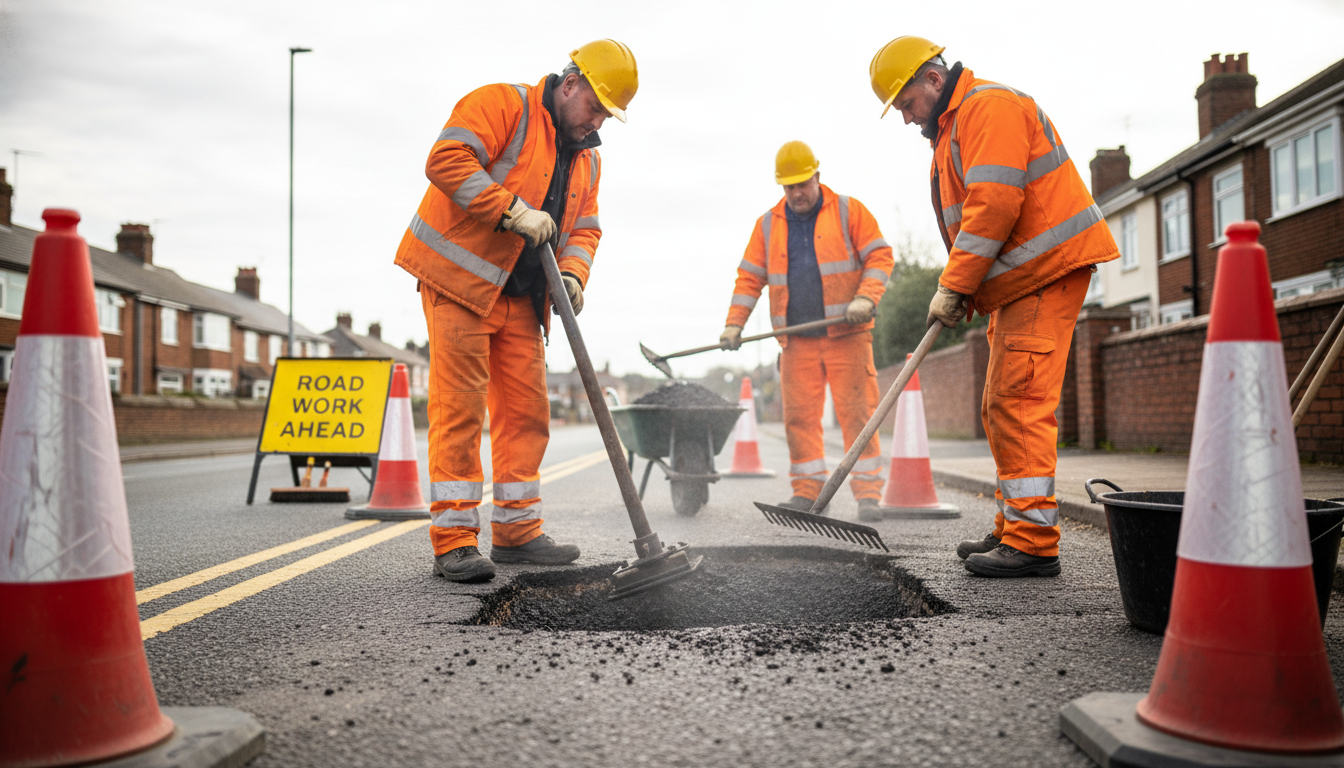
Another common cause of recurring potholes is inadequate preparation before repairs are carried out. Professional repairs require proper cutting back of damaged material, removal of loose debris and thorough compaction of the repair area. Skipping these steps compromises the bond between the new material and the existing surface.
Low-quality workmanship may save time initially, but it often results in repairs that deteriorate quickly. Over time, this approach increases maintenance costs and disruption, as the same areas require repeated attention.
When Pothole Repairs Are the Right Solution
Not all potholes indicate widespread structural failure. Isolated defects caused by localised damage can often be resolved effectively with professional pothole repairs when carried out correctly. The key is ensuring that repairs extend beyond the visible damage and address any weakened material around the defect.
High-quality repairs can restore surface integrity and prevent water ingress, extending the life of the surrounding road. However, this approach is only effective when the underlying structure remains sound.
Recognising When Resurfacing Is Necessary
When potholes continue to return across a wider area, it is often a sign that the surface has reached the end of its useful life. Widespread cracking, fretting and multiple failed repairs indicate that the road is no longer structurally stable.
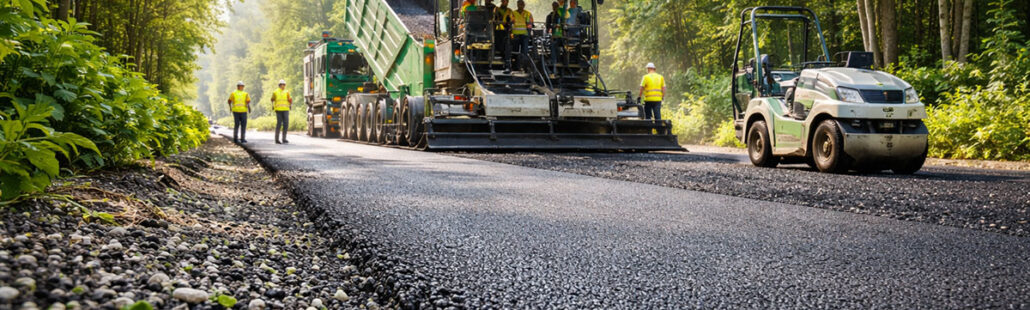
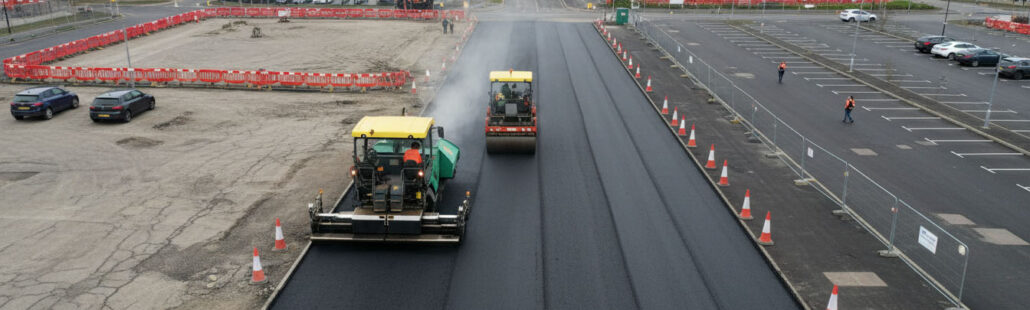
In these situations, full resurfacing is often more cost-effective than ongoing patching. Professional tarmac installation allows underlying issues to be addressed and provides a new, uniform surface designed to cope with current traffic demands. This approach significantly reduces the likelihood of recurring potholes.
The Importance of Correct Road Design
Many recurring potholes UK sites experience can be traced back to original design limitations. Roads constructed with insufficient thickness, weak sub-bases or inadequate edge support are more prone to early failure. Changes in site usage over time can also contribute, particularly where heavier vehicles are introduced.
Upgrading road design to reflect actual usage conditions is a key step in preventing repeat defects. This is especially important for commercial environments, where professional commercial surfacing solutions can be tailored to traffic volume and load requirements.
Weather Conditions and Seasonal Stress
British weather places additional strain on road surfaces, particularly during winter. Repeated freeze-thaw cycles accelerate deterioration, especially where water is already present within the structure. Repairs carried out late in the season may struggle to cure properly, reducing their effectiveness.
Understanding how seasonal conditions affect surface performance helps explain why potholes often reappear after winter. Planning repairs and resurfacing at appropriate times of year improves outcomes and longevity.
Long-Term Consequences of Ignoring Recurring Potholes
Leaving recurring potholes unresolved has implications beyond surface appearance. Poor road condition increases the risk of vehicle damage, trip hazards and restricted access. For businesses, this can lead to operational disruption, reputational issues and potential liability concerns.
Addressing the root causes of recurring potholes UK sites experience helps protect both safety and asset value. It also reduces long-term maintenance costs by breaking the cycle of repeated failure.
Taking a Root-Cause Approach to Road Maintenance
The most effective way to prevent potholes from returning is to adopt a root-cause approach to maintenance. This involves assessing drainage performance, traffic loading and structural condition rather than focusing solely on surface defects. Professional evaluation provides clarity on whether repairs, resurfacing or reconstruction is required.
By investing in appropriate solutions at the right time, property owners and site managers can achieve more reliable, longer-lasting road surfaces.
Achieving Durable Roads That Last
Recurring potholes UK roads suffer are rarely unavoidable. In most cases, they reflect deeper issues that can be identified and resolved with the right expertise. Moving away from short-term fixes towards well-designed, properly installed solutions delivers better performance and fewer disruptions.
With correct assessment, quality workmanship and appropriate materials, roads can be restored to a condition that withstands traffic and weather alike. Addressing the underlying causes of pothole formation is the key to breaking the cycle and achieving durable, dependable access routes.