
- min min
- No Comments
- April 13, 2026
The Role of Proper Drainage in Road Longevity
Proper drainage is one of the most important factors in determining how long a road will last. While the surface layer often receives the most attention, the true strength and longevity of any road depend heavily on how effectively water is managed. In the UK, where rainfall is frequent and often heavy, inadequate drainage is a leading cause of premature road deterioration.
For commercial property owners and site managers, investing in effective drainage is not an optional extra—it is a fundamental requirement for protecting road infrastructure and avoiding costly repairs.
How Water Damages Road Structures
Roads are built in layers, including the wearing course, binder course, sub-base and subgrade. When water penetrates through cracks or poorly drained surfaces, it weakens these underlying layers. As the sub-base loses strength, the road begins to deform under traffic loads, leading to rutting, cracking and eventual pothole formation.
Prolonged moisture exposure can also cause fine materials within the sub-base to wash away, reducing structural stability and accelerating surface failure. High-quality commercial surfacing incorporates effective drainage design to prevent these issues from developing.
The Impact of Freeze-Thaw Cycles
During colder months, trapped water within road structures freezes and expands. When temperatures rise, the ice melts and leaves behind weakened voids. Repeated freeze-thaw cycles place significant stress on the surface, widening cracks and creating ideal conditions for potholes to form.
Prompt maintenance, including professional pothole repairs, helps restore surface integrity, but long-term prevention depends on ensuring that water is efficiently removed from the road structure in the first place.
Key Components of Effective Road Drainage
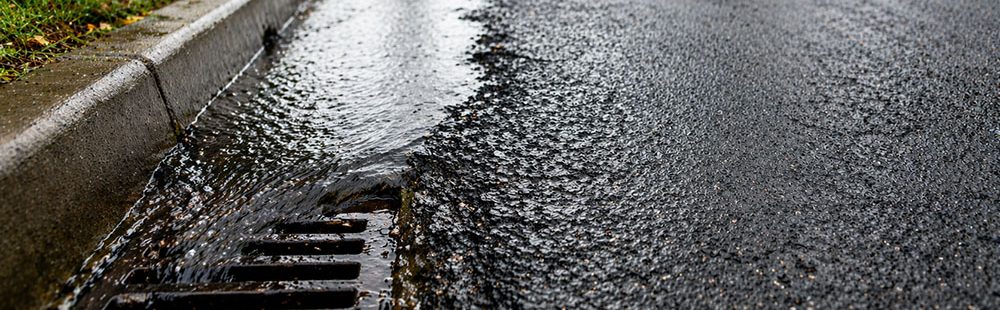
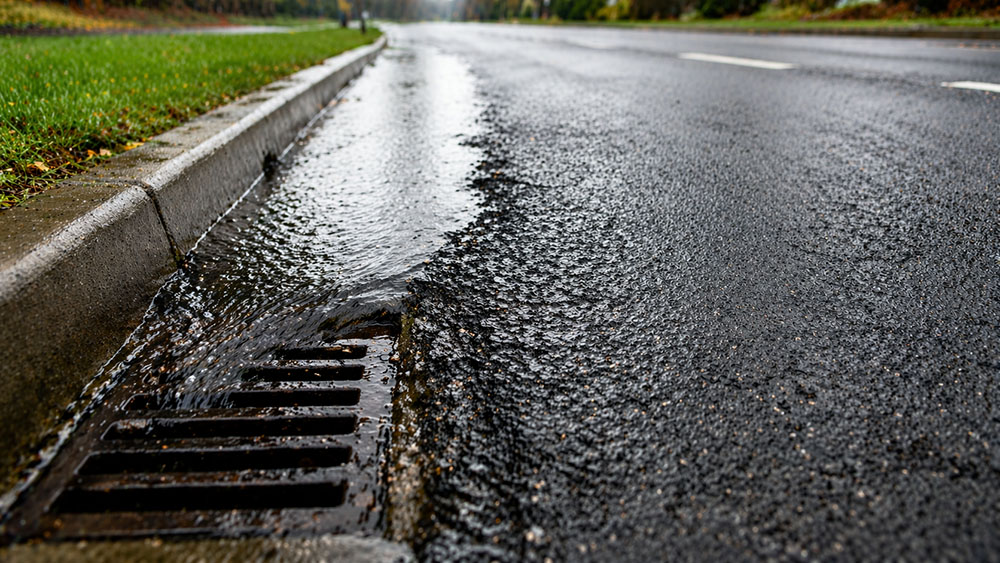
Effective road drainage relies on several integrated elements. Surface water must be directed away from the carriageway through proper camber or crossfall. Gullies, channels and drainage systems must be correctly positioned and maintained to handle expected rainfall volumes. Beneath the surface, permeable sub-base materials and, where necessary, drainage layers help prevent water accumulation within the pavement structure.
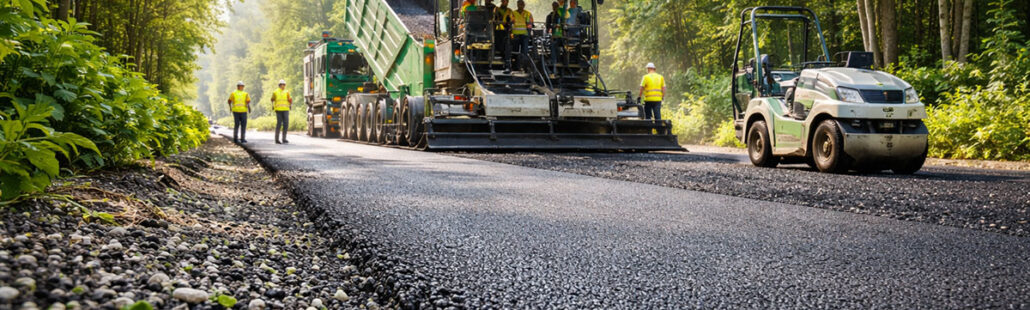
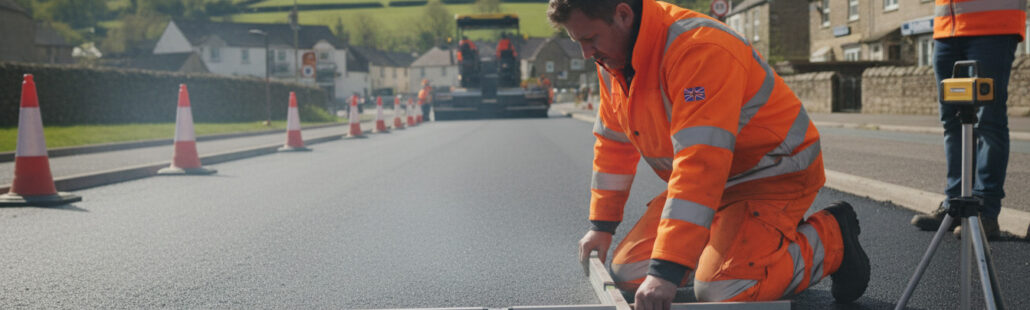
During professional tarmac installation, careful attention is given to gradients, edge detailing and tie-ins with existing drainage systems to ensure efficient water management from the outset.
Signs of Poor Road Drainage
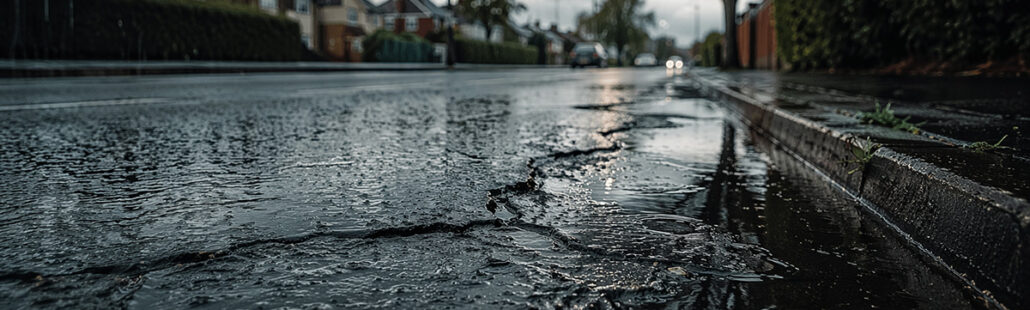
Early identification of drainage issues can prevent extensive and costly repairs. Common warning signs include persistent standing water after rainfall, cracking and potholes forming in the same locations, rutting in wheel paths and erosion or breakdown along road edges.
If left unaddressed, these issues typically worsen over time as water continues to infiltrate and weaken the structure. Regular inspections, particularly after periods of heavy rain or winter weather, are essential for early intervention.
Benefits of Proper Drainage for Commercial Sites
For commercial and industrial sites, effective drainage delivers multiple benefits beyond structural longevity. Improved water management enhances safety by reducing standing water, which can lead to skidding hazards and reduced visibility. It also protects surrounding infrastructure, including foundations, kerbs and landscaped areas, from water-related damage.
Well-drained roads require less frequent maintenance, resulting in lower lifecycle costs and reduced operational disruption. This is especially important for sites that rely on uninterrupted access for deliveries, staff and customers.
Integrating Drainage Into Road Design
Drainage should be considered from the earliest stages of road design rather than treated as an afterthought. Factors such as site topography, soil conditions, rainfall patterns and traffic loads all influence the most effective drainage solution.
Professional surfacing contractors assess these variables to design systems that manage water efficiently both on and beneath the surface. This integrated approach ensures that the road structure remains stable and durable over the long term.
Maintenance: The Key to Ongoing Performance
Even well-designed drainage systems require regular maintenance to remain effective. Gullies and channels can become blocked by debris, silt and vegetation, reducing their capacity and leading to water accumulation on the surface.
Routine cleaning, inspections and timely repairs ensure that drainage systems continue to function as intended. Proactive maintenance is far more cost-effective than addressing structural road failures caused by prolonged water damage.
Long-Term Cost Savings Through Proper Drainage
While incorporating robust drainage systems may increase initial project costs, the long-term financial benefits are substantial. Roads with effective drainage experience fewer structural failures, require less frequent repairs and maintain their performance for significantly longer.
For property owners and site managers, this translates into predictable maintenance budgets, reduced operational disruption and a higher return on infrastructure investment.
Conclusion
Proper drainage is fundamental to road longevity, particularly in the UK’s wet and variable climate. By preventing water from penetrating and weakening the road structure, effective drainage systems protect against cracking, rutting and pothole formation.
For commercial sites, prioritising drainage in both design and maintenance ensures safer, more durable and cost-effective road infrastructure. Investing in proper drainage is not just about managing water—it is about securing the long-term performance and value of your roads.