
- min min
- No Comments
- April 4, 2026
Road Surfacing Quality Checks and Inspections
Road surfacing is a significant investment for any commercial site, industrial estate or private access road. While materials and machinery are important, long-term durability ultimately depends on the quality of installation. Without structured quality checks and inspections, even well-designed roads can fail prematurely.
For UK property owners and site managers, understanding how road surfacing quality is assessed provides reassurance that works are completed to a professional standard. Quality control is not a single inspection at the end of a project. It is a process that runs from ground preparation through to final compaction and finishing.
When carried out correctly, inspections protect your investment, reduce maintenance risk and ensure the surface performs as intended.
Pre-Construction Site Assessment
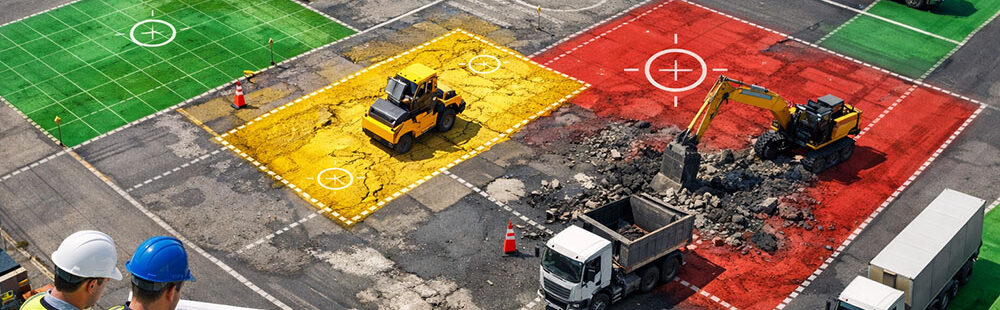
Quality checks begin before any materials are delivered to site. A thorough pre-construction assessment evaluates ground conditions, drainage requirements and traffic demands. This stage ensures that the chosen specification reflects real operational use rather than assumptions.
Ground bearing capacity, moisture content and subgrade stability are key considerations. If these factors are overlooked, structural weaknesses may develop regardless of surface quality.
Professional commercial surfacing projects incorporate detailed planning to ensure that design aligns with site requirements from the outset.
Sub-Base Preparation and Compaction Checks
The sub-base forms the structural foundation of the road. Proper preparation and compaction are essential to prevent settlement and rutting. Quality inspections at this stage confirm that material thickness meets specification and that compaction levels are sufficient.
Visual checks alone are not always enough. Density testing may be used to verify that compaction meets required standards. Uneven or poorly compacted sub-base layers are a common cause of premature surface failure.
Ensuring consistency across the full width of the road, including edges and joints, is critical for long-term stability.
Binder Course Installation Inspection
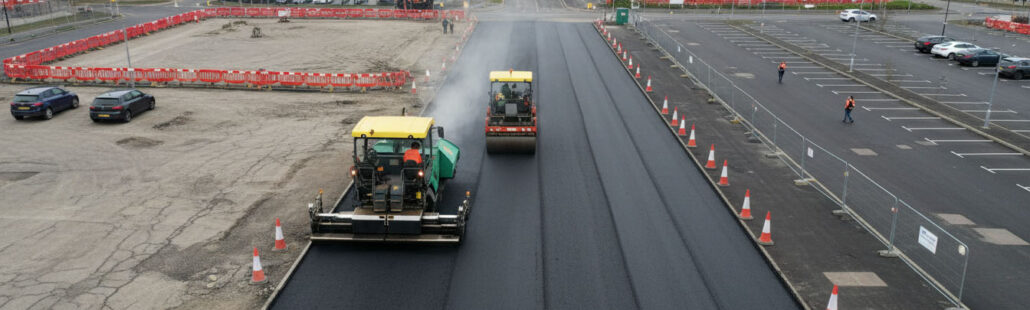
The binder course provides structural strength beneath the surface layer. During installation, inspectors monitor material temperature, layer thickness and compaction techniques. Asphalt must be laid and compacted within specific temperature ranges to achieve proper bonding.
Incorrect temperature control can reduce density and increase the risk of cracking. Surface levels and uniformity are also checked to ensure a stable platform for the wearing course.
High-quality tarmac installation includes strict monitoring of binder layer performance before progressing to the final surface.
Wearing Course Surface Quality
The wearing course is the visible top layer of the road. Quality checks at this stage focus on surface smoothness, texture, joint construction and overall finish. Inspectors assess whether the surface provides adequate skid resistance and consistent appearance.
Attention is given to edges, tie-ins with existing surfaces and transitions near drainage features. Poorly formed joints or uneven edges can allow water ingress, undermining the structure over time.
Achieving a uniform finish not only improves durability but also enhances professional presentation.
Drainage and Falls Verification
Drainage is often overlooked during surface inspections, yet it is one of the most important factors influencing long-term performance. Quality checks ensure that surface gradients direct water towards gullies or drainage channels as designed.
Standing water after installation may indicate incorrect falls or localised depressions. Addressing these issues immediately prevents future deterioration and avoids costly corrective works.
Joint Construction and Bonding
Longitudinal and transverse joints are potential weak points within any asphalt surface. Quality inspections assess whether joints are correctly formed, compacted and bonded. Poor bonding can lead to early cracking and separation.
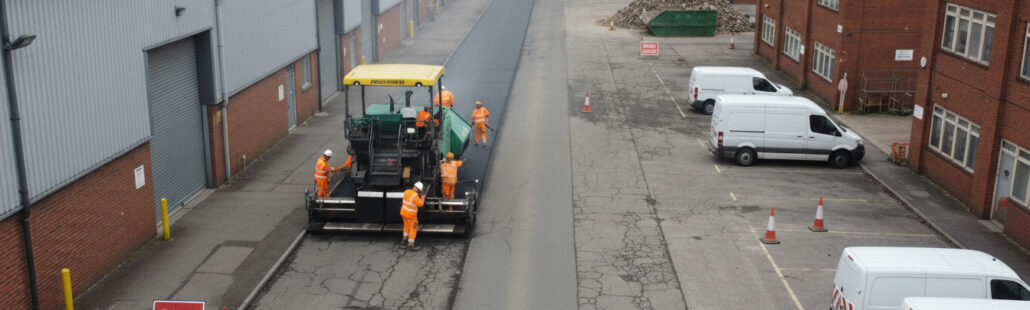
Proper joint construction ensures continuity between passes of the paving machine and prevents water penetration at seam lines.
Post-Installation Surface Inspection
Once installation is complete, a final inspection evaluates the entire surface. This includes checking for surface irregularities, segregation of aggregate, roller marks or visible defects.
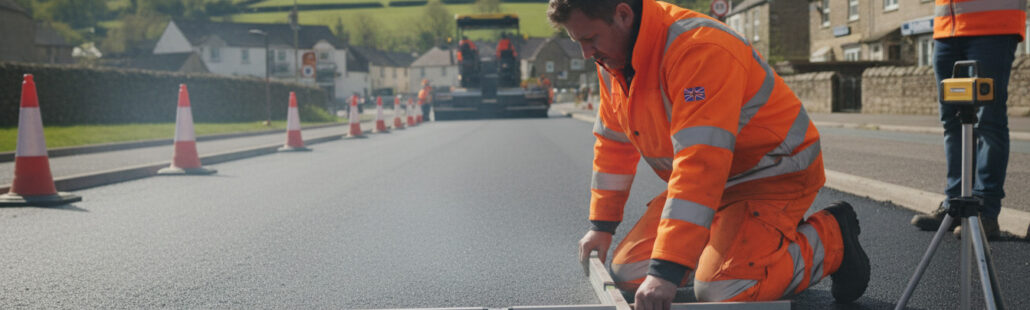
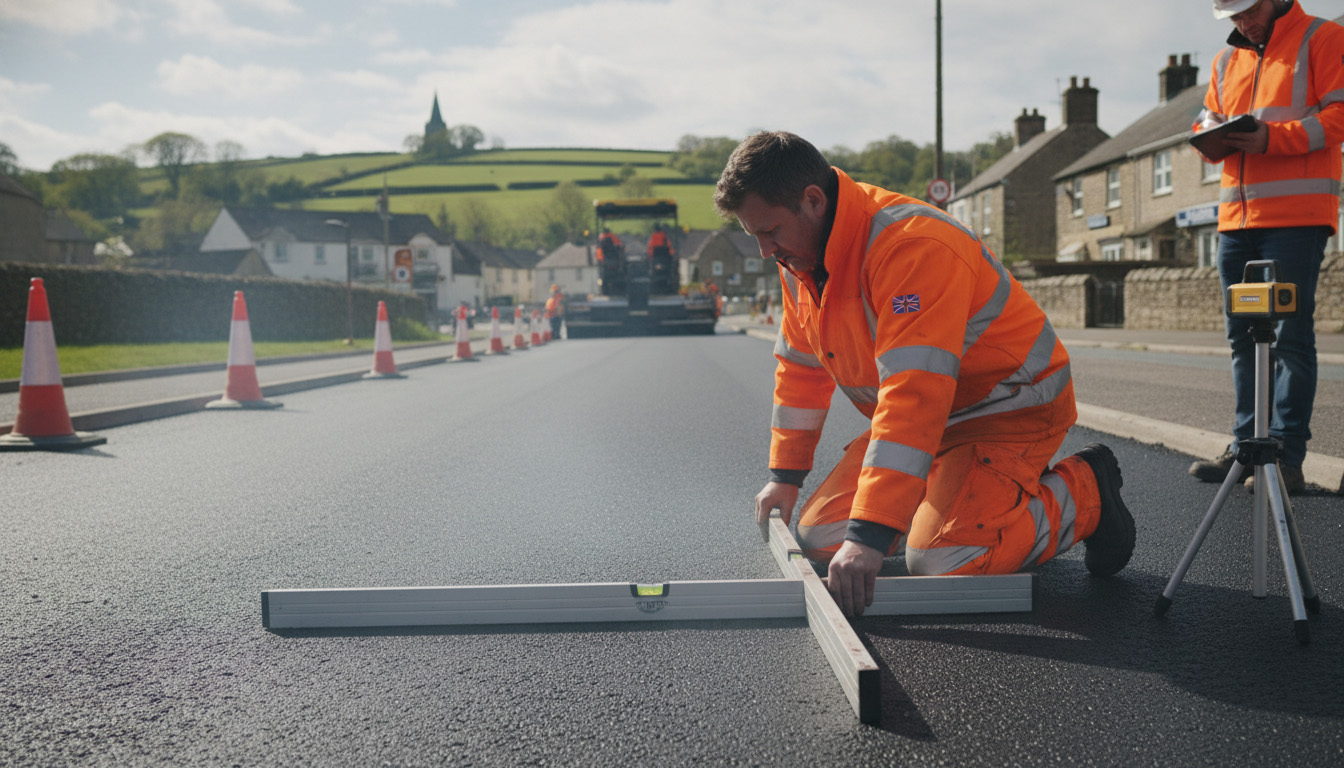
Straightedge testing may be used to confirm surface evenness. Any areas that fall outside acceptable tolerance levels should be corrected before the project is signed off.
For commercial sites, ensuring high standards at handover reduces the likelihood of early remedial works.
Ongoing Inspection and Maintenance
Quality control does not end at completion. Periodic inspections during the first year help identify early signs of movement or cracking. Monitoring allows minor issues to be addressed before they develop into structural problems.
Where isolated defects appear, prompt pothole repairs or crack sealing can maintain integrity and extend surface lifespan.
Regular review also supports warranty compliance and long-term maintenance planning.
Documentation and Compliance
Professional road surfacing projects should include clear documentation of materials used, layer thicknesses and testing results. This record provides accountability and supports future maintenance decisions.
For commercial property owners, documented quality checks demonstrate due diligence and reinforce infrastructure management standards.
Protecting Long-Term Performance
Road surfacing quality checks and inspections are fundamental to achieving durable, reliable infrastructure. From sub-base preparation through to final surface inspection, each stage contributes to long-term performance.
By prioritising structured quality control and ongoing monitoring, commercial sites can reduce premature failure, maintain safe access and protect their investment for years to come.