
- min min
- No Comments
- January 24, 2026
How Weather Impacts Road Surfacing Timelines in the UK
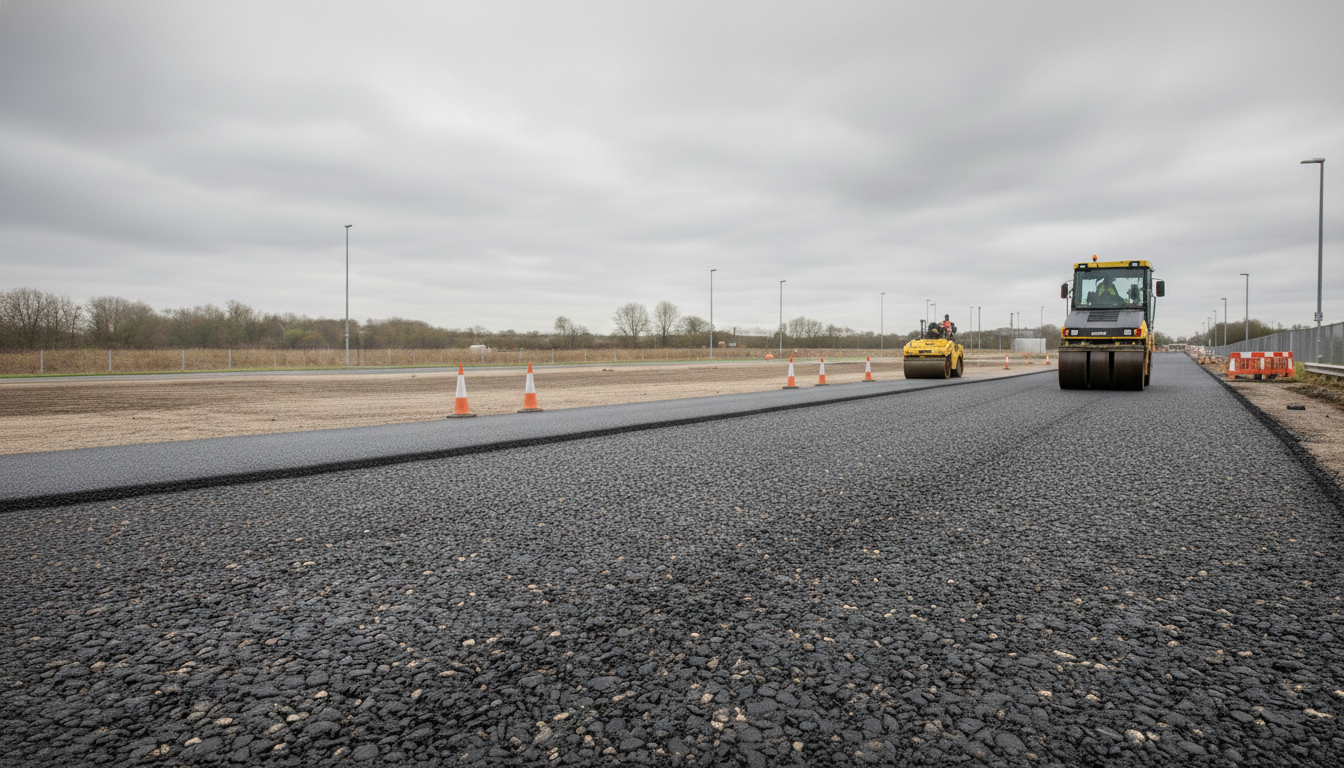
Road surfacing weather UK conditions are one of the most important factors influencing how, when, and how well surfacing work can be carried out. Unlike many construction activities that can continue indoors or under temporary cover, road surfacing is fully exposed to the elements. Temperature, rainfall, humidity, wind, and daylight hours all have a direct impact on material performance and installation quality.
For property owners and commercial site managers, this often leads to confusion or frustration when projects are delayed or rescheduled. However, these decisions are rarely arbitrary. They are made to protect the long-term integrity of the surface and to avoid costly failures that occur when work is rushed in unsuitable conditions.
Understanding how weather affects surfacing timelines helps set realistic expectations and allows better planning around access, traffic management, and business operations.
Temperature and Its Effect on Surfacing Quality
Minimum Temperature Requirements for Tarmac and Asphalt
Temperature is one of the most critical elements in road surfacing weather UK planning. Tarmac and asphalt must be laid, levelled, and compacted while they remain within a specific temperature range. If the material cools too quickly, it cannot be compacted properly, leading to weak bonding between layers.
During colder months, low air temperatures and cold ground conditions can cause rapid heat loss. This increases the risk of early cracking, surface fretting, and water ingress. As a result, contractors may restrict works to the warmest part of the day or postpone installations entirely until conditions improve.
This is particularly important on access roads, car parks, and commercial yards where repeated traffic loading places additional stress on the surface. In these environments, professional tarmac installation carried out under suitable temperature conditions is essential for long-term durability.
Challenges of High Summer Temperatures
While cold weather presents obvious challenges, excessively warm conditions also affect surfacing timelines. In hot weather, asphalt can become too soft, making it difficult to achieve consistent levels and compaction. Heavy vehicles turning on newly laid material can cause surface deformation if adequate cooling time is not allowed.
In response, contractors may programme works for early mornings or introduce phased access restrictions. Although this can extend the overall timeline, it helps ensure the finished surface meets performance expectations rather than suffering premature wear.
Rainfall, Moisture, and Surface Preparation
Why Rain Causes Delays
Rain is one of the most disruptive factors in road surfacing weather UK considerations. Surfacing materials require dry conditions to bond correctly, both between layers and with the underlying base. Even light rainfall can compromise adhesion, leading to delamination and early failure.
When rain is forecast, contractors often delay work rather than risk installing materials that may need to be removed and replaced later. This cautious approach protects both the client’s investment and the reputation of the finished work.
Moisture trapped beneath a newly laid surface can also lead to long-term issues, particularly during freeze-thaw cycles. For this reason, waiting for suitable conditions is always preferable to rushing an installation.
Ground Conditions and Sub-Base Moisture
Weather does not only affect the surface layer. Prolonged wet periods can saturate the sub-base, reducing its load-bearing capacity. Laying a new surface over a compromised base increases the risk of settlement, cracking, and pothole formation.
In such cases, additional preparation or drainage improvements may be required before surfacing can proceed. On commercial sites, this often becomes apparent during resurfacing projects where heavy vehicle use has already stressed the underlying structure. Addressing these issues early helps avoid repeat call-outs for pothole repairs in the months following installation.
Seasonal Patterns and Surfacing Timelines
Winter Constraints and Limited Opportunities
Winter is the most challenging period for road surfacing in the UK. Short daylight hours, frequent rainfall, frost, and low temperatures significantly reduce the number of viable working days. As a result, many projects are postponed or limited to temporary repairs rather than full resurfacing.
However, winter is not a wasted period. It is often used for inspections, condition surveys, and planning future works. Property owners who use this time to assess surface condition are better positioned to schedule permanent works once conditions improve.
Temporary measures may still be necessary to maintain safety and access during this period, particularly on high-traffic sites where surface defects pose operational risks.
Spring and Autumn as Preferred Surfacing Windows
Spring and autumn are generally considered the most reliable seasons for road surfacing. Moderate temperatures, longer daylight hours, and more predictable weather patterns allow for extended working windows and better curing conditions.
For commercial premises, planning surfacing works during these periods can minimise disruption and reduce the likelihood of weather-related delays. Contractors can programme works more confidently, helping site managers coordinate access arrangements and communicate clearly with tenants or staff.
How Contractors Plan Around Weather Uncertainty
Flexible Programming and Contingency Time
Experienced contractors understand that road surfacing weather UK conditions cannot be controlled, only managed. As a result, realistic programmes include contingency allowances for weather-related delays. Rather than committing to fixed dates, contractors provide estimated windows and keep clients informed as forecasts evolve.
This flexibility is particularly important for larger sites where multiple phases of work may be required. Clear communication allows businesses to plan deliveries, staff movements, and access routes with minimal disruption.
Material Choice and Phased Works
In some cases, contractors may recommend alternative approaches to suit prevailing conditions. This could involve completing preparatory works ahead of final surfacing or adjusting material specifications to suit seasonal constraints.
On sites with high traffic volumes, staged installation allows sections of the road to remain operational while work progresses elsewhere. This approach is commonly used in commercial surfacing projects where continuous access is essential for daily operations.
Managing Business Disruption During Weather Delays
Short-Term Inconvenience Versus Long-Term Performance
Weather-related delays can be frustrating, particularly when access roads or car parks are already in poor condition. However, proceeding in unsuitable conditions often leads to repeat failures and higher long-term costs.
A surface laid in marginal weather may appear acceptable initially but can deteriorate rapidly under traffic loading. This results in further closures, additional repair costs, and ongoing disruption. Allowing contractors to wait for suitable conditions protects the lifespan of the surface and reduces total maintenance expenditure.
Communication and Site Coordination
Clear communication is key when timelines shift due to weather. Contractors who provide regular updates enable site managers to adjust plans accordingly. This might include temporary traffic management, revised delivery schedules, or alternative access arrangements.
For property owners planning upcoming works, reviewing previous projects can provide reassurance about quality and approach. Many clients find it useful to explore completed schemes on the recent surfacing projects page before committing to similar works.
Planning Ahead for Weather-Related Challenges
Road surfacing weather UK conditions will always influence timelines, but proactive planning helps reduce uncertainty. Early surveys, realistic scheduling, and clear communication all contribute to smoother project delivery.
If ongoing surface issues are affecting safety, access, or operations, arranging a professional assessment via the contact page allows potential problems to be identified and addressed before they escalate.
By understanding how weather affects surfacing work, property owners and site managers can make informed decisions that balance timing, cost, and long-term performance.