
- min min
- No Comments
- February 23, 2026
The Importance of Edge Restraints in Road Surfacing
When discussing road construction, attention is usually focused on the visible surface. Thickness of tarmac, finish quality and overall appearance tend to dominate conversations. However, one of the most important structural components of any road is far less noticeable. Road edge restraints UK play a critical role in maintaining surface integrity and preventing long-term failure.
Without proper edge support, even a well-laid surface can begin to deteriorate prematurely. Edges are particularly vulnerable because they carry lateral stress from vehicle movements and are often exposed to weaker surrounding ground. Over time, unsupported edges can spread, crack and break away, leading to costly repairs and reduced lifespan.
What Are Road Edge Restraints?
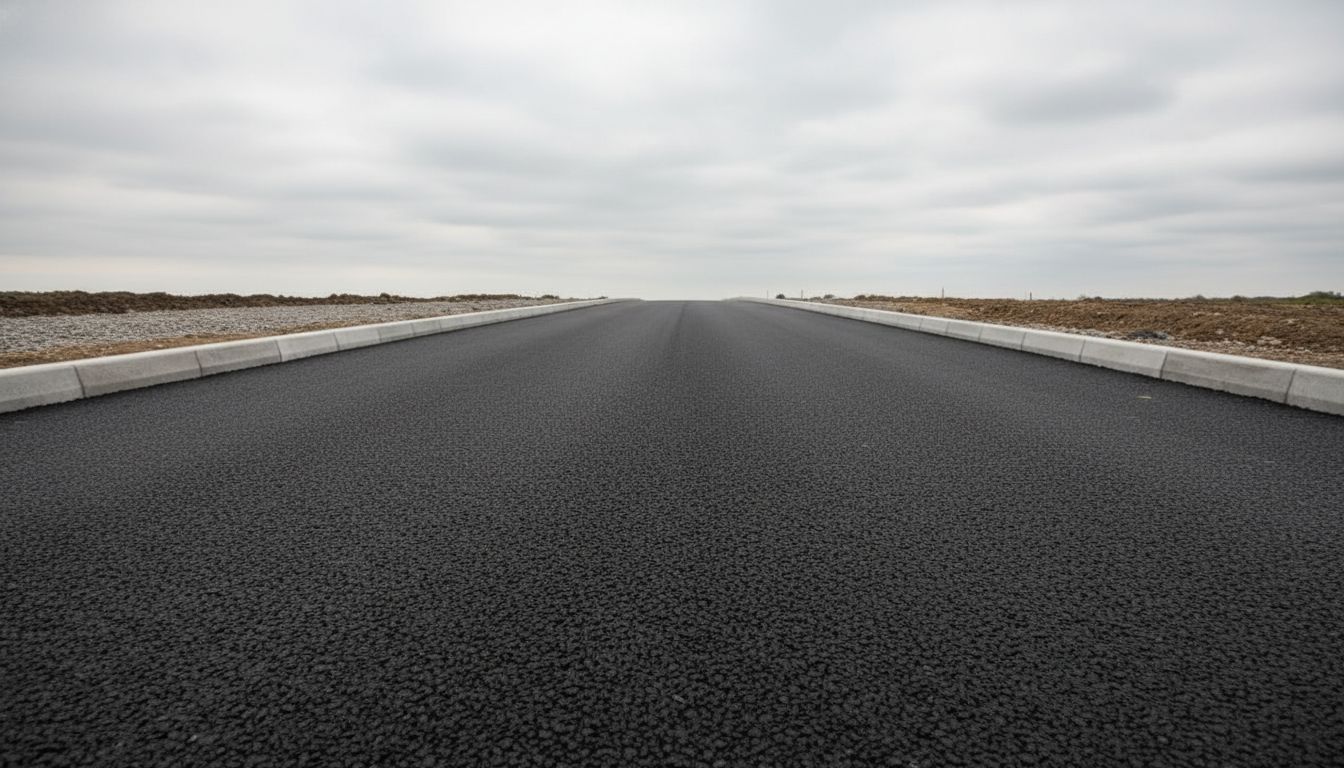
Road edge restraints are structural supports installed along the sides of a road to prevent lateral movement of the surfacing materials. They act as a containment system, holding the tarmac or asphalt firmly in place and stopping it from spreading under load.
These restraints can take several forms depending on the application. They may include concrete kerbs, block edging, reinforced haunching or structural concrete supports. The purpose remains the same: to maintain the structural integrity of the road by securing the edges against movement.
How Lateral Movement Causes Surface Failure
Road surfaces are subjected not only to vertical pressure from vehicle weight but also to horizontal forces. When vehicles turn, brake or accelerate, they create lateral stress across the surface. This is particularly significant in commercial environments where heavy vehicles manoeuvre in tight spaces.
If there is no effective edge restraint, the surface can gradually shift sideways. This movement leads to cracking along the edge, fretting of the surface material and eventual edge collapse. Once this begins, water can penetrate the exposed areas, accelerating deterioration.
Proper road edge restraints UK prevent this lateral movement and maintain surface stability even under demanding traffic conditions.
The Link Between Edge Failure and Drainage Issues
Edge breakdown often leads to drainage problems. When the side of a road begins to crumble, it creates low points where water can collect. Standing water at the edge increases moisture penetration into the sub-base, weakening the structure from below.
As water infiltrates, freeze-thaw cycles in colder months further expand cracks and destabilise the surface. What may start as minor edge cracking can quickly evolve into widespread structural damage. By ensuring robust edge restraints, property owners reduce the risk of water ingress and associated deterioration.
Edge Restraints in Commercial Environments
Commercial sites experience concentrated stress at road edges. Delivery vehicles may overrun edges while turning, and loading bays often see repeated wheel pressure close to the road boundary. Without adequate support, these areas are especially prone to failure.
Professional commercial surfacing projects typically incorporate reinforced edge detailing to cope with heavier loads. This ensures that access roads and yard areas remain stable even under frequent heavy vehicle use.
The Role of Sub-Base Support at Edges
Edge performance is closely tied to sub-base preparation. Even the strongest kerb or restraint will fail if the underlying ground is unstable. Proper compaction and support beneath edge restraints are essential for long-term durability.
A competent contractor ensures that sub-base materials extend fully to the edge and are compacted correctly. This prevents settlement and ensures that the restraint can perform effectively. Skipping this stage often leads to cracking between the edge and the main surface.
High-quality tarmac installation includes careful attention to edge detailing as part of the overall construction process.
Preventing Surface Spreading and Cracking
One of the primary functions of road edge restraints UK is to prevent surface spreading. Asphalt and tarmac are flexible materials, designed to absorb and distribute load. However, without containment, this flexibility can result in gradual outward movement.
Over time, spreading creates visible cracks near the edge and uneven surface levels. These defects not only reduce lifespan but also pose potential safety risks. Strong edge restraints maintain alignment and prevent structural distortion.
Maintenance Benefits of Proper Edge Support
Investing in robust edge restraints reduces long-term maintenance requirements. Roads with well-supported edges are less likely to suffer from recurring cracking and edge potholes. This translates into fewer call-outs, lower repair costs and reduced disruption.
Where edge damage has already occurred, targeted pothole repairs may be required to stabilise affected areas. However, without correcting the underlying edge weakness, repairs may only provide temporary relief.
Choosing the Right Type of Edge Restraint
The appropriate form of edge restraint depends on the road’s usage, traffic levels and surrounding environment. Lightly trafficked private roads may only require modest support, while commercial access routes often need reinforced kerbing or concrete haunching.
Professional assessment ensures that the chosen restraint matches operational demands. Installing insufficient support to reduce upfront cost frequently results in higher long-term expenditure due to premature edge failure.
Long-Term Value of Strong Edge Construction
Although edge restraints may represent a relatively small portion of total project cost, their impact on longevity is significant. Roads with proper containment maintain structural integrity for longer, resist cracking and cope better with heavy traffic loads.
For property owners and site managers, understanding the importance of road edge restraints UK helps inform better decision-making during both new construction and resurfacing projects. Prioritising edge stability supports durability, safety and overall value.
Building Roads That Last
Road surfacing is only as strong as its weakest component. Edges are among the most vulnerable areas, yet they are often overlooked during planning and budgeting. By incorporating effective edge restraints and ensuring proper ground preparation, contractors can deliver surfaces that withstand both traffic stress and environmental conditions.
Strong edges protect the investment made in the surface itself. When properly designed and installed, they contribute significantly to extended service life and reduced maintenance costs.