
- min min
- No Comments
- January 7, 2026
Understanding Why Winter Creates a Repair Backlog
Winter places sustained pressure on the UK road network. Prolonged rainfall, freezing temperatures, and repeated freeze–thaw cycles gradually weaken road surfaces and expose weaknesses that may have developed over many years. By the end of winter, councils are often faced with widespread deterioration across large areas, creating a backlog that cannot be addressed all at once.
Council road repairs UK programmes are therefore shaped by necessity rather than visibility. Roads that appear severely damaged are not always the first to be repaired if they do not pose an immediate risk. Instead, councils must balance safety, cost, traffic disruption, and long-term value when deciding where to intervene first.
Understanding this process helps property owners and site managers appreciate why some roads receive attention quickly, while others remain unchanged for months.
Safety as the Primary Decision Factor
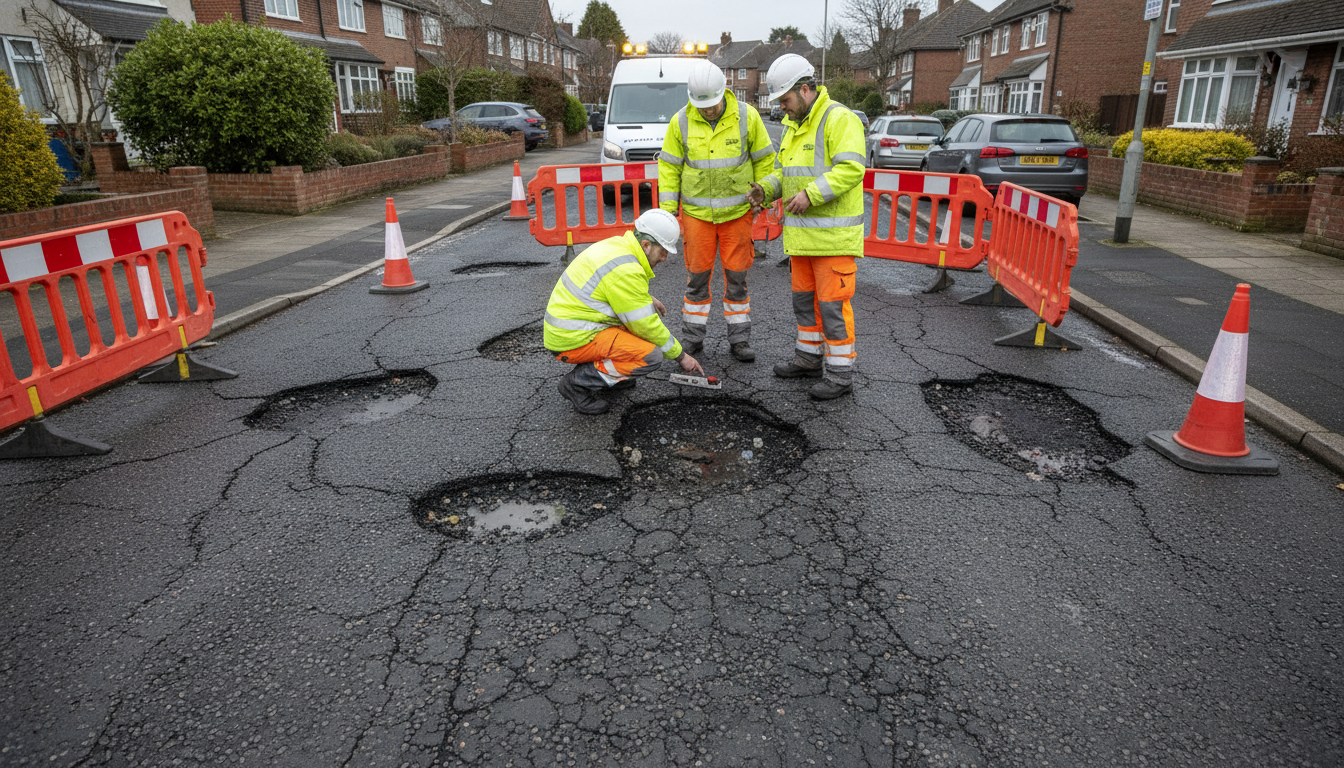
Public safety is the overriding priority for all local authorities. Defects that present a clear danger to road users are always assessed first. Deep potholes, surface collapse, broken edges, and exposed drainage covers can all cause accidents, vehicle damage, or injury if left untreated.
If winter damage is left untreated, arranging pothole repairs early can prevent deeper structural failure. Councils follow a similar principle, using intervention thresholds to determine whether a defect requires urgent attention or monitoring.
A pothole on a busy road, pedestrian crossing, or bus route is far more likely to be repaired quickly than the same defect on a quiet residential street. This approach is designed to reduce overall risk across the network rather than address every defect equally.
Traffic Volume and Road Hierarchy
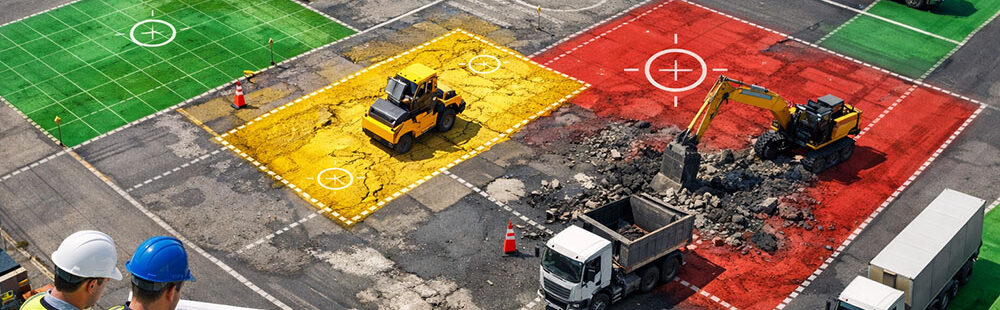
Not all roads play the same role within the transport network. Councils categorise roads based on function, traffic volume, and strategic importance. Main distributor roads, emergency access routes, and key commuter corridors are typically prioritised for repairs after winter.
These roads carry heavier loads and higher traffic volumes, which accelerates deterioration during cold and wet conditions. However, repairing them first delivers the greatest benefit by keeping large numbers of vehicles moving safely and efficiently.
Smaller residential roads, estate roads, and private access routes may appear neglected by comparison. In reality, they are often scheduled later due to lower traffic levels and reduced risk. For private sites, relying solely on council intervention can be impractical, which is why professional commercial surfacing is often used to maintain safe access independently.
Assessing What Lies Beneath the Surface
Visible surface damage is only part of the picture. Councils also consider the condition of the road structure beneath the surface, including the sub-base and drainage. Winter weather frequently exposes long-standing issues such as poor compaction, inadequate foundations, or trapped water.
Where repeated potholes or cracking occur, this often indicates deeper structural failure. In these cases, councils may delay surface repairs until a more comprehensive solution can be planned. Simply patching the surface without addressing the underlying cause rarely provides lasting results and can lead to repeated failures.
This is why some roads receive temporary fixes during winter, while permanent resurfacing is scheduled months later when conditions and budgets allow.
Budget Limitations and Resource Allocation
Council maintenance budgets are limited and typically set well in advance. Severe winters can rapidly exhaust allocated funds, forcing authorities to focus on the most critical repairs first. Emergency works are prioritised to address immediate safety concerns, while less urgent repairs are deferred.
Planned resurfacing schemes are usually scheduled for spring and summer when warmer temperatures allow for better material performance. This phased approach helps ensure long-term durability rather than short-term fixes that may fail prematurely.
For property owners, this highlights the importance of proactive maintenance. Investing in correct tarmac installation under suitable conditions can significantly reduce long-term repair costs and reliance on reactive fixes.
Weather Constraints on Repair Methods
Winter weather does not only cause damage; it also restricts how repairs can be carried out. Cold temperatures and persistent rain limit the effectiveness of many surfacing materials. Councils must ensure repairs meet performance standards, which often means postponing permanent works until conditions improve.
Temporary repairs are therefore common during winter months. These are designed to make roads safe rather than perfect, stabilising defects until proper resurfacing can take place. While this can appear repetitive or ineffective, it is often the most practical solution given environmental constraints.
Understanding this helps explain why some roads seem to receive multiple short-term repairs before being resurfaced later in the year.
Reporting, Inspections, and Intervention Thresholds
Public reports play an important role in identifying road defects, but they do not guarantee immediate repair. Once a defect is reported, it must be inspected and assessed against predefined criteria. This includes measuring size, depth, location, and exposure to traffic.
Defects that fall below intervention thresholds may be logged for monitoring rather than repair. While this can be frustrating for residents and businesses, it allows councils to allocate resources where they are most needed.
Private roads and commercial sites do not benefit from this system, which is why arranging independent repairs is often the most effective way to maintain surface condition and manage liability.
Why Certain Roads Are Resurfaced First
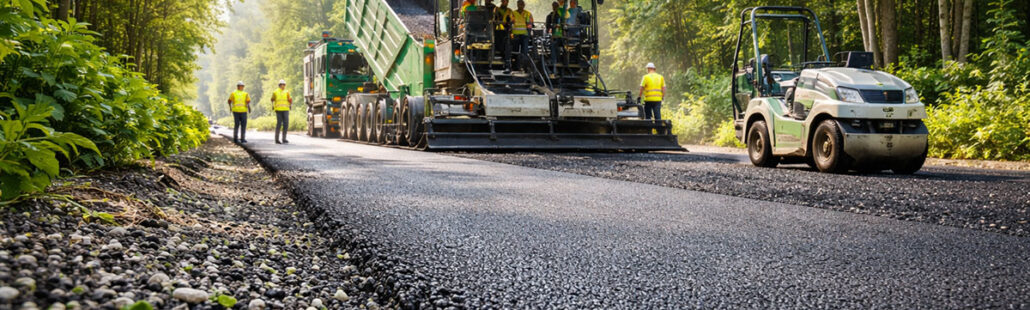
As winter ends, councils shift from reactive maintenance to planned resurfacing programmes. Roads selected for early resurfacing are typically those with widespread deterioration, high traffic volumes, and strategic importance within the network.
These schemes are often planned months in advance, based on inspections carried out during or immediately after winter. Resurfacing early helps prevent further deterioration and reduces the likelihood of repeated emergency repairs during the next cold season.
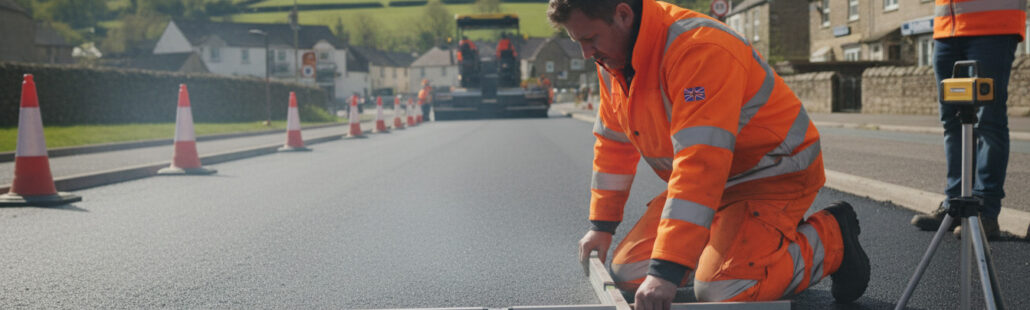
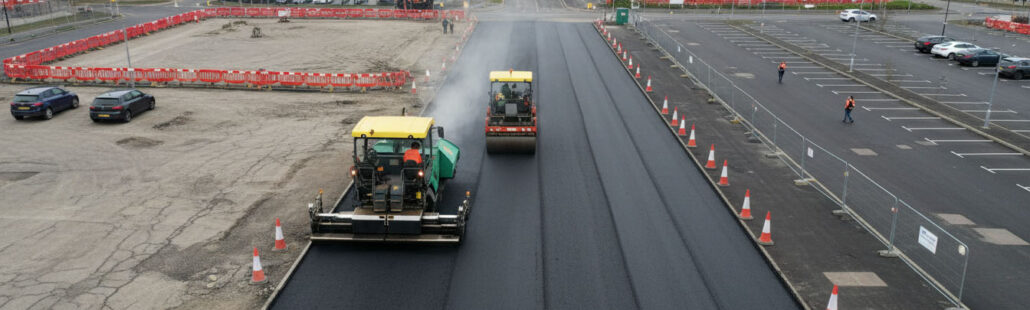
For larger sites and access roads, techniques such as machine lay tarmac can deliver consistent compaction and long-lasting performance, particularly where traffic loads are high.
Implications for Property Owners and Site Managers
Understanding how council road repairs UK are prioritised allows property owners to make informed decisions about their own infrastructure. Waiting for council action is not always viable, especially for private roads or business premises that fall outside priority categories.
Proactive maintenance helps control costs, reduce disruption, and maintain safe access throughout the year. Addressing drainage issues and early surface wear before winter sets in can significantly reduce the risk of severe damage.
Some sites may also benefit from alternative surfacing solutions. For example, resin bound surfacing can improve drainage and reduce surface water issues in suitable applications.
Planning Ahead After Winter
Winter damage provides valuable insight into how a road performs under stress. Councils use this information to inform long-term maintenance strategies, and private owners can adopt the same approach.
Reviewing surface performance after winter highlights weaknesses that should be addressed before the next cold season. By focusing on correct design, proper drainage, and quality installation, property owners can achieve longer-lasting surfaces and reduce reliance on reactive repairs.
Aligning private maintenance strategies with the principles used in council road repairs UK programmes helps ensure roads remain safe, durable, and fit for purpose year after year.