
- min min
- No Comments
- April 11, 2026
How Weather in the UK Affects Road Surfaces
The United Kingdom is known for its unpredictable and often challenging weather conditions. From persistent rainfall and freezing winters to occasional summer heatwaves, these environmental factors play a significant role in the performance and longevity of road surfaces. For commercial property owners and site managers, understanding how weather affects road infrastructure is essential for effective maintenance and long-term planning.
Roads are designed to withstand a range of environmental stresses, but repeated exposure to moisture, temperature fluctuations and seasonal changes can accelerate deterioration. Recognising these impacts early allows for proactive intervention and helps prevent costly structural failures.
The Effect of Rainfall on Road Surfaces
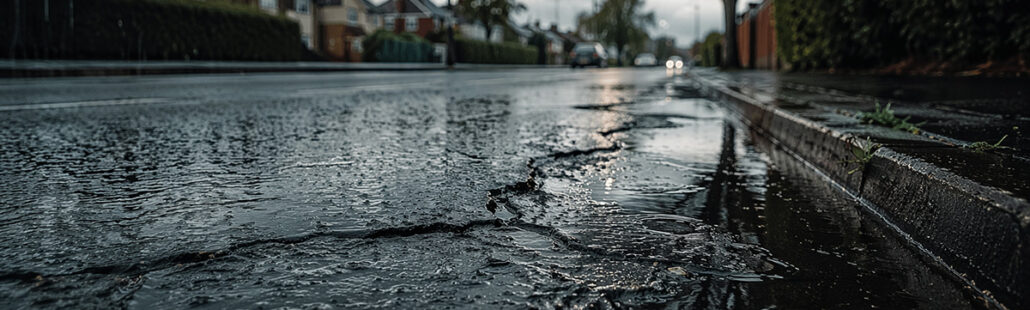
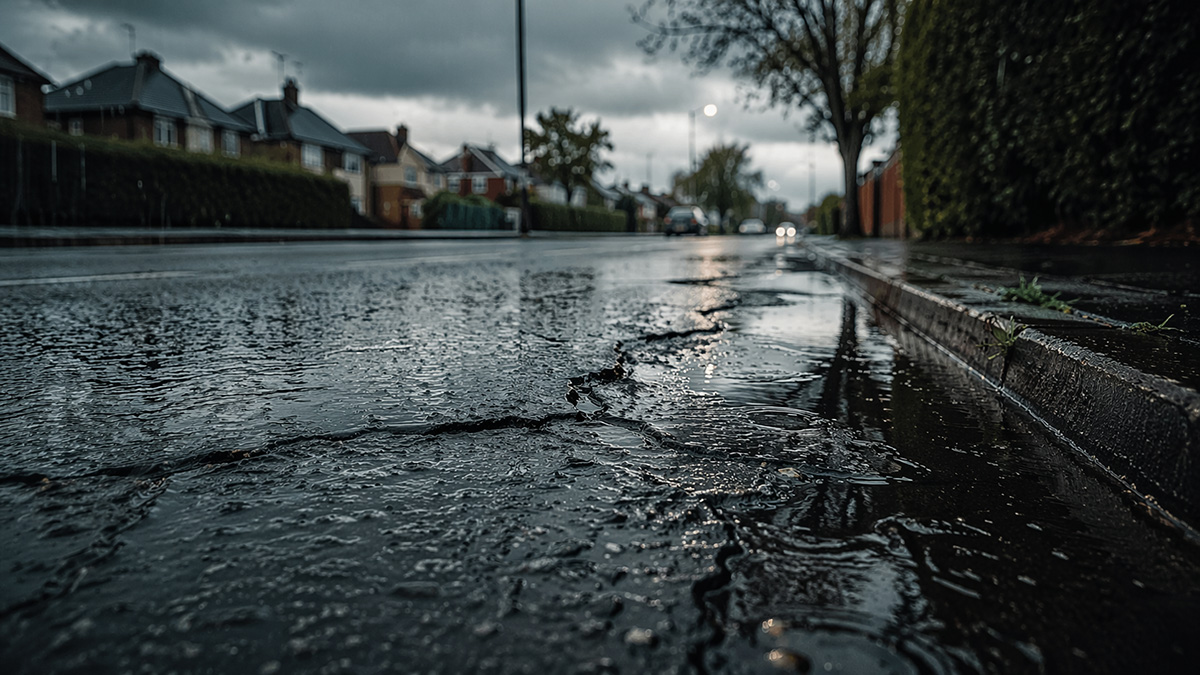
Rainfall is one of the most influential weather-related factors affecting UK roads. Prolonged exposure to water can weaken the structural layers beneath the surface, particularly if drainage systems are inadequate. When water infiltrates small cracks, it reduces the load-bearing capacity of the sub-base, leading to deformation and eventual surface failure.
Standing water also increases the risk of hydroplaning and reduces skid resistance, posing safety hazards for vehicles and pedestrians. Implementing effective drainage solutions through professional commercial surfacing helps mitigate these risks and ensures long-term durability.
Freeze-Thaw Cycles and Pothole Formation
During the winter months, the UK frequently experiences freeze-thaw cycles. Water that has penetrated the road structure expands as it freezes and contracts when it thaws. This repeated movement places significant stress on the asphalt, causing cracks to widen and eventually leading to pothole formation.
Timely maintenance is essential to prevent minor defects from escalating. Regular inspections and prompt pothole repairs can significantly reduce the impact of freeze-thaw damage and extend the lifespan of road surfaces.
The Impact of Cold Temperatures
Cold weather causes asphalt to become more brittle and less flexible. As a result, roads are more susceptible to cracking under traffic loads. Older surfaces are particularly vulnerable because the bitumen binder hardens over time, reducing its ability to accommodate temperature-related movement.
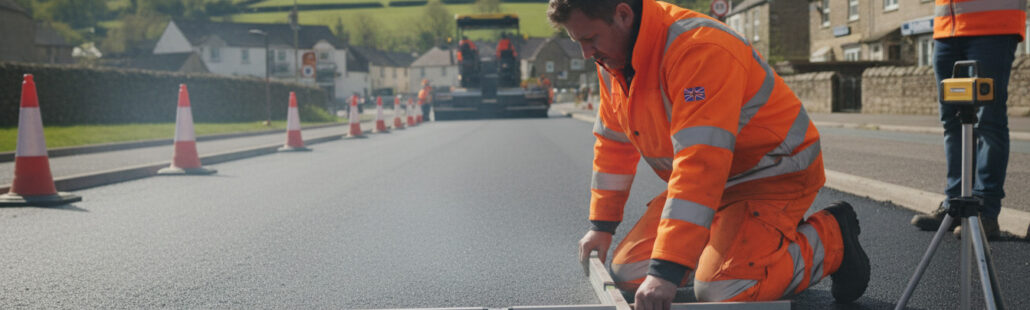
Properly specified materials and expert tarmac installation ensure that road surfaces maintain sufficient flexibility to withstand seasonal temperature variations.
Summer Heat and Surface Softening
Although the UK climate is generally moderate, periods of high summer temperatures can still affect road performance. Heat softens the bitumen within asphalt, making the surface more susceptible to deformation under heavy traffic. This can result in rutting, shoving and surface bleeding, particularly in areas with slow-moving or stationary vehicles such as loading bays and junctions.
Selecting appropriate asphalt mixes and ensuring adequate structural thickness helps mitigate the effects of heat and maintain surface stability.
The Role of Wind and Storm Events
Severe weather events, including strong winds and storms, can contribute indirectly to road deterioration. Debris carried by high winds may damage surfaces, while intense rainfall associated with storms can overwhelm drainage systems. Additionally, erosion around road edges may occur, leading to structural instability if not addressed promptly.
Regular maintenance and inspections following severe weather events are essential to identify and rectify emerging issues before they escalate.
Seasonal Maintenance Strategies
Given the varied weather conditions in the UK, a seasonal approach to road maintenance is highly beneficial. Preparing roads ahead of winter by sealing cracks and ensuring drainage systems are clear can prevent significant damage during colder months. Similarly, post-winter inspections help identify issues caused by freeze-thaw cycles, enabling timely repairs.
Adopting a proactive maintenance strategy not only enhances safety but also reduces long-term costs by addressing problems before they require extensive intervention.
Designing Roads for Weather Resilience
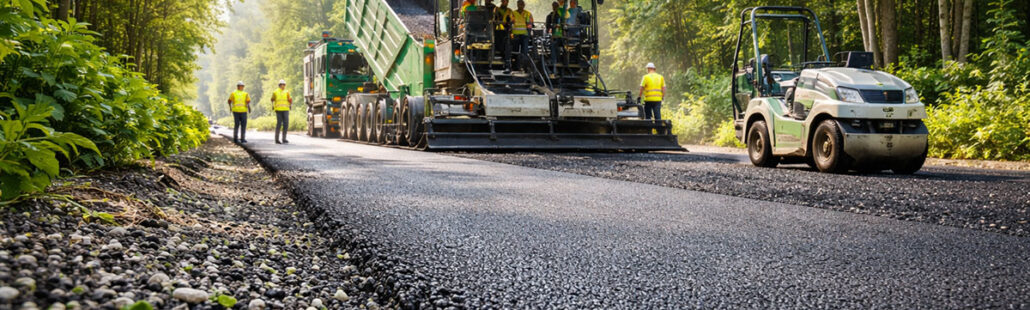
To withstand the challenges posed by the UK climate, road surfaces must be designed with resilience in mind. This includes selecting high-quality materials, ensuring adequate layer thickness and incorporating effective drainage systems. Professional expertise during the design and construction phases is essential to achieving long-lasting results.
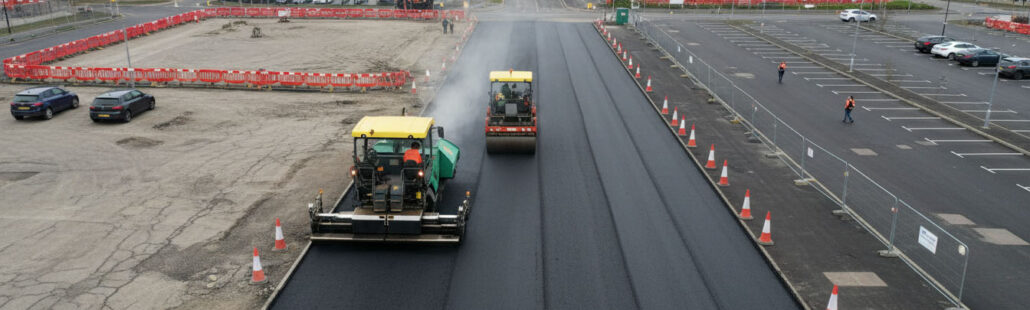
Sustainable and durable solutions delivered through experienced contractors ensure that commercial roads remain functional and safe despite changing weather conditions.
Long-Term Benefits of Proactive Management
Understanding how weather affects road surfaces enables property owners and site managers to make informed decisions about maintenance and upgrades. Proactive management minimises disruption, enhances safety and extends the operational lifespan of infrastructure.
Investing in high-quality construction and timely maintenance ultimately provides better value for money and supports the long-term performance of commercial sites.
Conclusion
Weather conditions in the UK have a profound impact on road surfaces, influencing everything from structural integrity to safety. Rainfall, freeze-thaw cycles, temperature fluctuations and storm events all contribute to the gradual deterioration of asphalt. By recognising these effects and implementing proactive maintenance strategies, property owners can protect their infrastructure and ensure reliable access for years to come.