
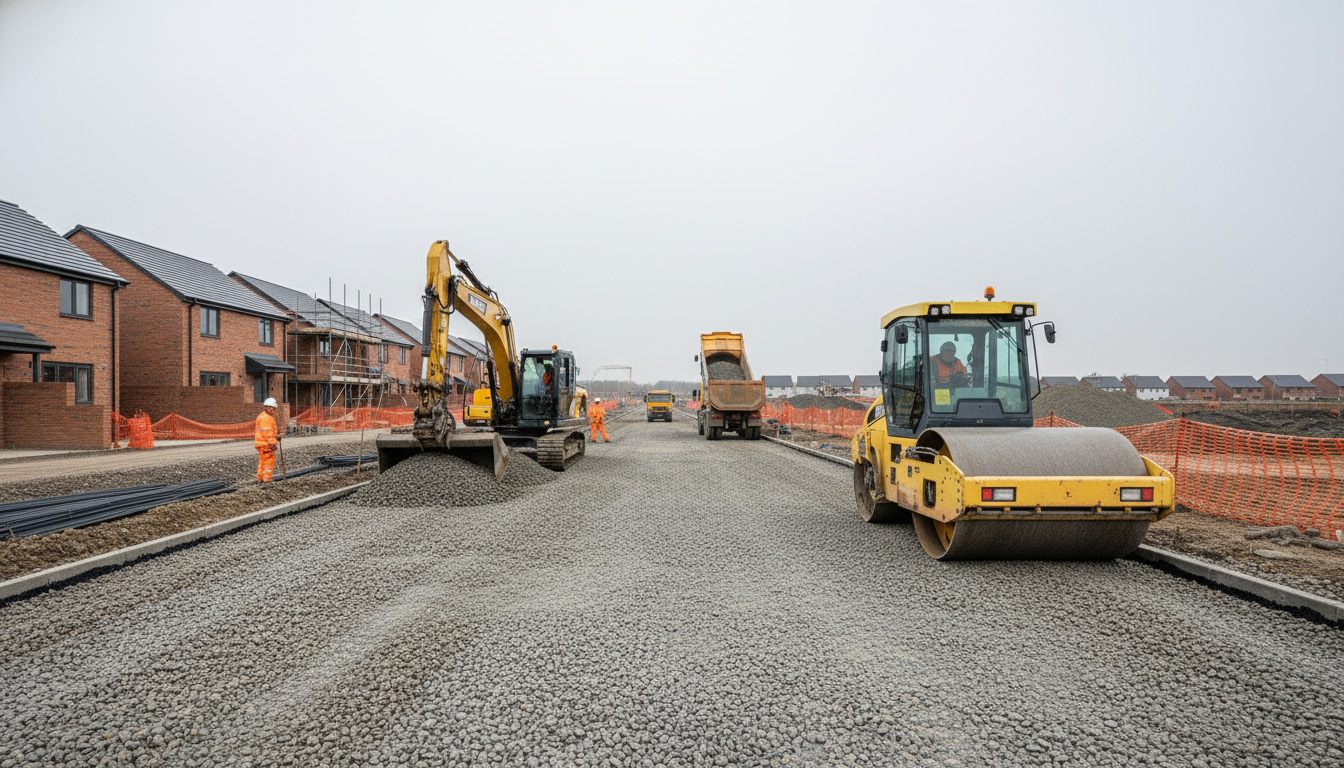
Why Road Foundations Fail on New Developments in the UK
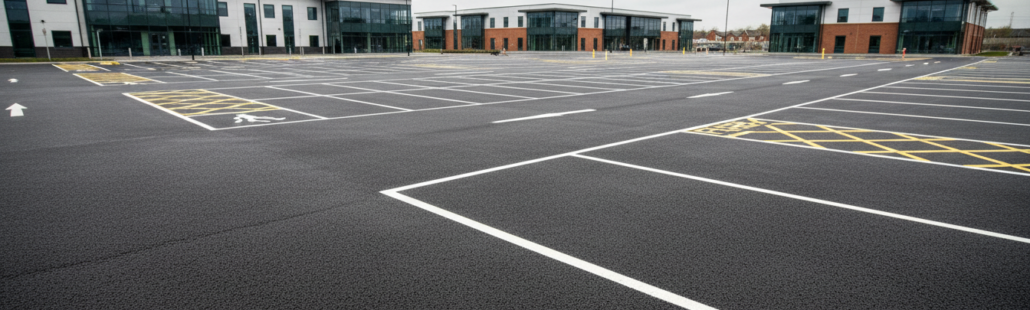
New developments across the UK often feature freshly laid access roads that appear smooth and professionally finished. However, appearance alone does not guarantee durability. One of the most common causes of premature failure in new roads is weakness within the foundation layers beneath the surface.
For property developers, managing agents and commercial site owners, understanding why road foundations fail is critical. Once surface cracking or settlement appears, the underlying structural issues can be expensive and disruptive to correct. Addressing foundation performance at the design and construction stage is far more effective than reacting to defects later.
What Makes Up a Road Foundation?
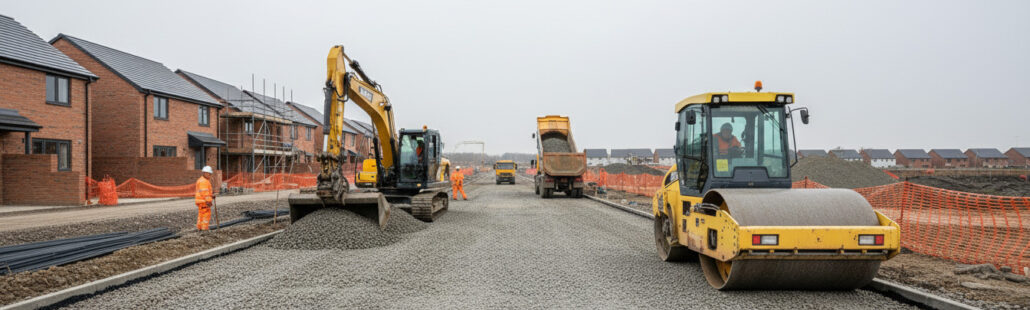
A road foundation typically consists of the subgrade, sub-base and base layers beneath the surface course. Each layer has a specific role in distributing load and providing stability. The subgrade is the natural ground, the sub-base provides structural support and the base layer sits directly beneath the asphalt or tarmac.
If any of these components are inadequate, the entire structure is compromised. A strong surface cannot compensate for a weak foundation. In many cases, early road failure on new developments is directly linked to shortcuts taken during foundation preparation.
Inadequate Ground Preparation
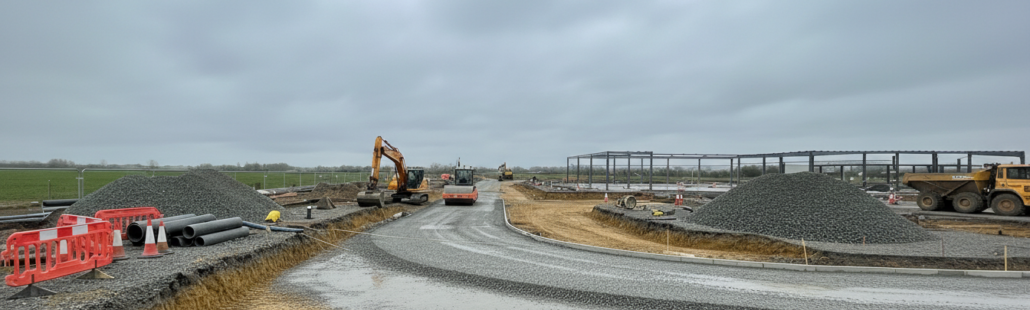
One of the most frequent issues on new sites is insufficient ground preparation. Developments are often constructed on previously undeveloped land or reclaimed sites with variable soil conditions. Without proper assessment and stabilisation, these ground conditions can lead to uneven settlement.
If soft spots or inconsistent fill materials are not addressed before sub-base installation, movement will occur once traffic loading begins. Over time, this movement transfers upward, resulting in cracking and deformation of the surface.
Professional tarmac installation always begins with careful evaluation of the subgrade to ensure it can support the intended load.
Poor Sub-Base Quality or Thickness
The sub-base is responsible for distributing vehicle loads evenly across the ground. If it is too thin or constructed from unsuitable material, it cannot perform this function effectively. Under repeated traffic, the road begins to settle unevenly.
In some new developments, cost pressures lead to reduced material depth or lower-grade aggregates being used. While this may reduce initial expenditure, it often results in higher long-term maintenance costs due to premature structural failure.
Ensuring correct sub-base specification and compaction is essential for long-term durability, particularly on roads serving commercial premises.
Compaction Deficiencies
Even when the correct materials are used, poor compaction can undermine foundation performance. Air voids within sub-base or base layers reduce density and structural strength. Under traffic load, these voids compress unevenly, causing surface distortion.
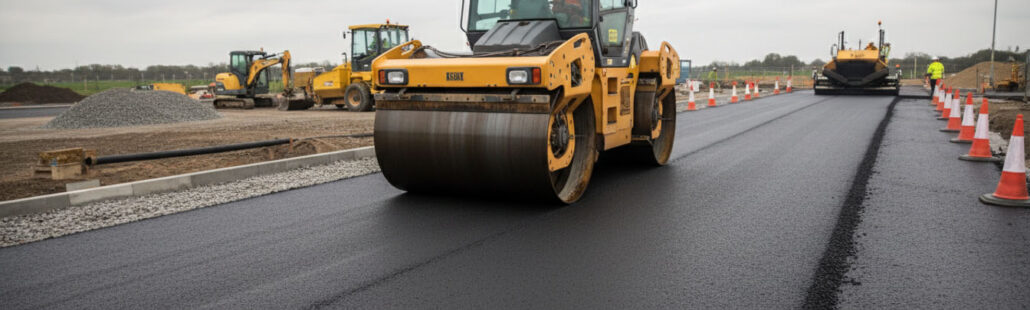
Proper rolling and compaction testing are vital stages of road construction. Skipping or rushing these processes increases the likelihood of early cracking and rutting.
High-quality commercial surfacing projects prioritise correct compaction at every stage of construction.
Drainage Failures Beneath the Surface
Drainage is often associated with surface water management, but subsurface drainage is equally important. If water becomes trapped within foundation layers, it weakens the structure and reduces load-bearing capacity.
On new developments, inadequate drainage design or blocked channels can allow moisture to accumulate beneath the road. During colder months, freeze-thaw cycles intensify the problem, accelerating deterioration.
Incorporating effective drainage solutions during initial construction protects the integrity of the foundation and extends surface lifespan.
Increased Traffic After Completion
Many new developments experience traffic patterns that exceed initial expectations. What was designed as a lightly trafficked residential road may begin carrying delivery vehicles, refuse trucks and service vans more frequently than planned.
If the foundation was not designed for these loads, structural stress increases rapidly. Over time, surface defects emerge, often requiring intervention.
When repeated defects occur, professional pothole repairs may temporarily restore usability, but they will not resolve underlying foundation weaknesses without structural correction.
The Impact of Accelerated Construction Timelines
New developments often operate under tight construction schedules. Pressure to complete roads quickly can lead to reduced curing times, insufficient compaction checks or inadequate inspection of foundation layers.
Although surfaces may appear complete and visually acceptable, hidden weaknesses can manifest within a few seasons. Allowing appropriate time for preparation and quality assurance is essential for long-term success.
Early Warning Signs of Foundation Failure
Foundation issues typically reveal themselves through consistent cracking patterns, rutting in wheel paths and depressions that hold water. Edges may begin to crumble as lateral movement increases.
Recognising these signs early allows for investigation before widespread damage occurs. Core sampling and structural assessment help determine whether foundation reinforcement or reconstruction is required.
Long-Term Consequences of Foundation Weakness
Ignoring foundation issues leads to escalating maintenance costs. Surface repairs alone cannot compensate for structural instability beneath. Over time, patching becomes more frequent and less effective, eventually leading to the need for full reconstruction.
For property owners, this not only increases expenditure but can also disrupt access and affect the overall perception of the development.
Building Roads on Reliable Foundations
Durable roads begin with thorough ground assessment, appropriate material selection and careful compaction. Investing in foundation quality during initial construction significantly reduces the likelihood of premature failure.
For developers and site managers planning new installations, prioritising structural integrity ensures roads remain safe, stable and cost-effective throughout their lifespan. A strong foundation may not be visible once construction is complete, but its importance cannot be overstated.