
- admin
- No Comments
- February 18, 2026
How Traffic Volume Determines Surfacing Specifications
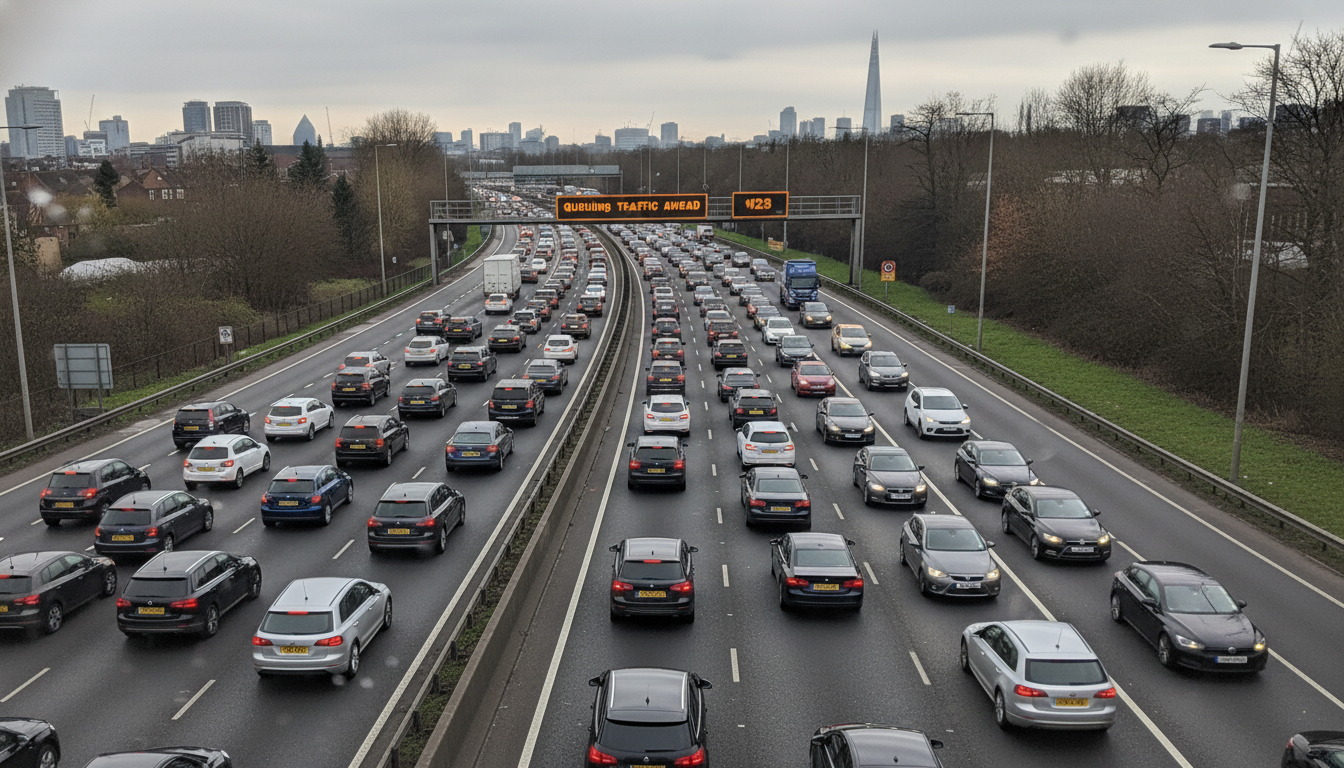
Traffic volume road design UK principles are fundamental to creating roads that last. The number of vehicles using a road each day, combined with the type and weight of those vehicles, directly influences how the surface must be specified. Underestimating usage leads to premature wear, structural failure, and escalating maintenance costs.
For commercial site managers and property owners, surfacing is not simply about choosing a material. It involves designing a pavement structure capable of withstanding predicted traffic loads over many years. When traffic levels are correctly assessed at the planning stage, roads perform reliably and require fewer reactive interventions.
Ignoring this step often results in surfaces that deteriorate far sooner than expected, particularly in industrial environments.
Understanding Traffic Categories in the UK
Light Traffic Environments
Light traffic roads typically serve residential developments, small office car parks, or private access drives. These areas are primarily used by cars and light vans, with limited heavy vehicle access.
In these situations, traffic volume road design UK specifications may require thinner surface layers and standard sub-base construction. While durability remains important, structural stress is lower compared to commercial or industrial settings.
Even in lighter-use areas, correct installation remains critical. Professional tarmac installation ensures proper compaction and surface consistency, preventing early cracking.
Moderate Traffic Conditions
Moderate traffic roads include business parks, retail car parks, and mixed-use developments where daily usage is steady and delivery vehicles are common.
Here, the pavement structure must accommodate higher cumulative loads. Increased surface thickness and enhanced sub-base preparation are often specified. Failure to adjust design for these conditions frequently leads to rutting and surface fatigue within a few years.
Heavy Traffic and Industrial Use
Industrial estates, logistics depots, and distribution centres experience intense loading from heavy goods vehicles. In these cases, axle weights rather than simple vehicle counts become the dominant factor.
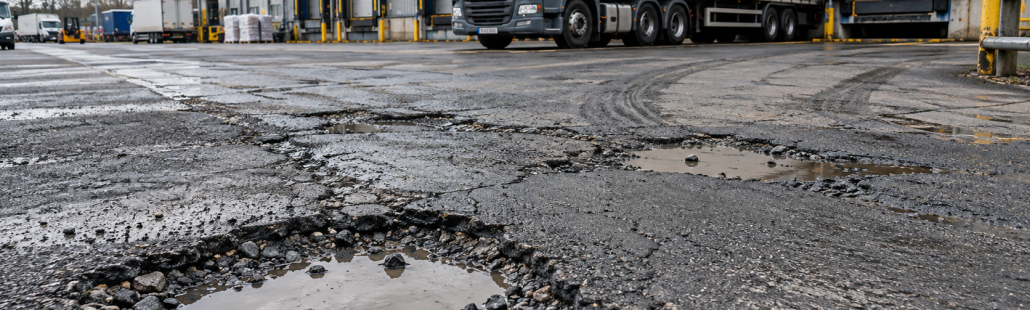
Heavy vehicle road damage UK commercial sites encounter often stems from inadequate structural depth beneath the surface. High axle loads exert concentrated pressure, accelerating sub-base movement and surface cracking if the design is insufficient.
For these environments, thicker asphalt layers and reinforced sub-base construction are essential.
How Traffic Volume Influences Material Selection
Surface Course Thickness
The visible surface layer must resist deformation under repeated loading. As traffic volume increases, so does the required thickness of the asphalt or tarmac layer.
Projects involving machine lay tarmac allow consistent depth control across larger areas. This consistency improves long-term durability, particularly on high-traffic sites.
Insufficient thickness often results in rutting where vehicle wheels follow repetitive paths, especially near loading bays or entry points.
Sub-Base Construction
While the surface course is visible, the sub-base carries much of the structural load. Traffic volume road design UK specifications carefully calculate sub-base depth based on predicted usage.
In heavy-use areas, deeper and more compacted sub-base layers distribute loads more effectively. Without this structural support, even high-quality surface materials will fail prematurely.
Proper sub-base preparation is particularly important during large-scale commercial surfacing projects where long-term performance is critical.
Material Grade and Composition
Different asphalt mixes offer varying levels of strength and flexibility. High-traffic areas may require dense, high-performance mixes capable of withstanding significant stress.
Selecting an inappropriate material grade can shorten lifespan dramatically. Matching composition to traffic demands ensures balanced performance.
The Impact of Traffic Patterns
Traffic volume is not just about total numbers. The way vehicles move across the surface also matters.
Areas where vehicles brake, turn sharply, or queue experience concentrated stress. Entry gates, security barriers, and loading docks often show early signs of deformation if not designed correctly.
By analysing traffic flow patterns during the planning phase, contractors can reinforce specific areas and prevent localised failure.
Balancing Cost and Specification
It can be tempting to reduce specification to lower upfront costs. However, under-designing a road frequently results in higher long-term expenditure. The road resurfacing cost UK businesses face later may far exceed the savings made during initial construction.
A correctly specified surface may involve greater initial investment, but it delivers longer service life and reduced maintenance requirements.
Conversely, over-specifying a lightly used road can also waste resources. Accurate traffic assessment ensures that specification aligns with actual demand.
Maintenance Implications of Traffic Volume
Higher traffic levels inevitably accelerate surface wear. Even well-designed roads require routine inspection and preventative maintenance.
Early intervention through targeted pothole repairs can prevent minor defects from expanding into larger structural failures. However, frequent recurring issues may indicate that the original design did not adequately reflect traffic demand.
Strategic maintenance planning based on usage patterns supports long-term asset management.
Planning for Future Traffic Growth
Traffic volume road design UK planning should also account for anticipated growth. Expanding businesses, increased delivery frequency, or changes in site usage can significantly alter loading patterns over time.
Designing with future expansion in mind prevents premature upgrades. Slightly higher specification at the outset may prove more economical than full reconstruction within a short timeframe.
For example, a commercial site anticipating increased logistics activity should consider heavy-load specification from the beginning rather than retrofitting later.
Why Professional Assessment Matters
Accurately calculating traffic volume and translating it into appropriate surfacing specifications requires technical expertise. Surface appearance alone cannot determine structural adequacy.
Experienced contractors evaluate projected vehicle counts, axle loads, manoeuvring zones, and environmental factors before recommending specification.
Working with specialists in commercial surfacing ensures that pavement design reflects real-world conditions rather than assumptions.
Delivering Durable, Fit-for-Purpose Roads
Traffic volume road design UK principles exist to ensure that roads perform reliably throughout their intended lifespan. By aligning surface thickness, material selection, and sub-base construction with expected usage, property owners can avoid premature deterioration.
Whether designing a residential access road or a high-traffic logistics hub, the key lies in matching structural capacity to demand. When traffic volume is correctly assessed and incorporated into the specification, roads remain safer, more durable, and more cost-effective over time.
Investing in the right design from the outset protects long-term value and reduces the likelihood of disruptive and costly remedial works.