
- admin
- No Comments
- February 27, 2026
Final Winter Inspections Before Major Road Works Begin
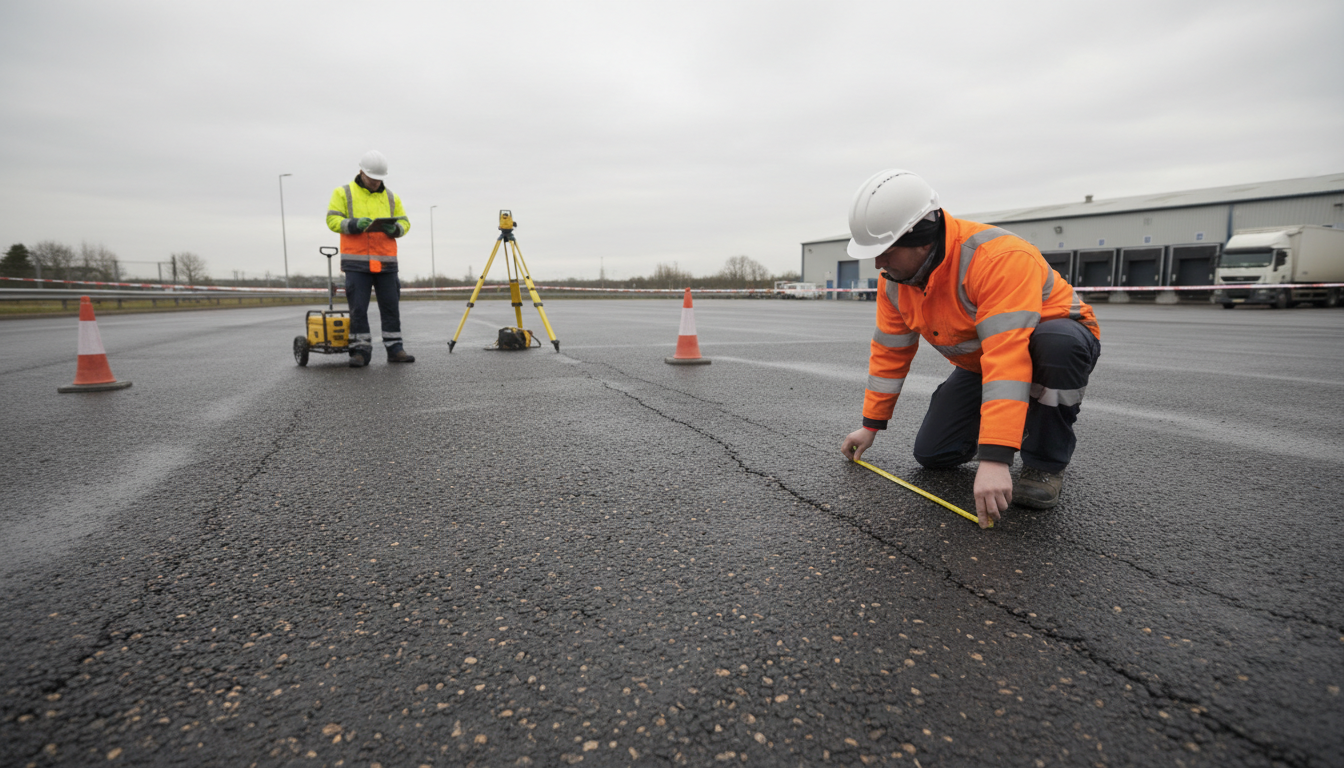
Late winter is a critical period for property owners and site managers planning resurfacing or reconstruction projects. While surfaces may appear stable at a glance, months of cold temperatures, heavy rainfall and freeze-thaw cycles often leave hidden structural weaknesses beneath. Winter road inspections UK provide the final opportunity to identify these issues before committing to significant works.
Beginning major road projects without a thorough inspection can result in unexpected delays, cost increases and scope changes. A clear understanding of current surface and sub-base condition ensures that specifications are accurate and budgets reflect real requirements.
How Winter Conditions Affect Road Structure
Winter weather places sustained stress on road surfaces. Moisture penetrates small cracks and joints, then expands during freezing conditions. This repeated expansion and contraction weakens the bond between materials and can create voids beneath the surface.
Even if visible damage is limited, the structure may have been compromised. When heavier spring traffic resumes, these weakened areas often fail rapidly. Conducting winter road inspections UK before major works allows contractors to assess the true extent of deterioration rather than relying solely on surface appearance.
Identifying Surface-Level Warning Signs
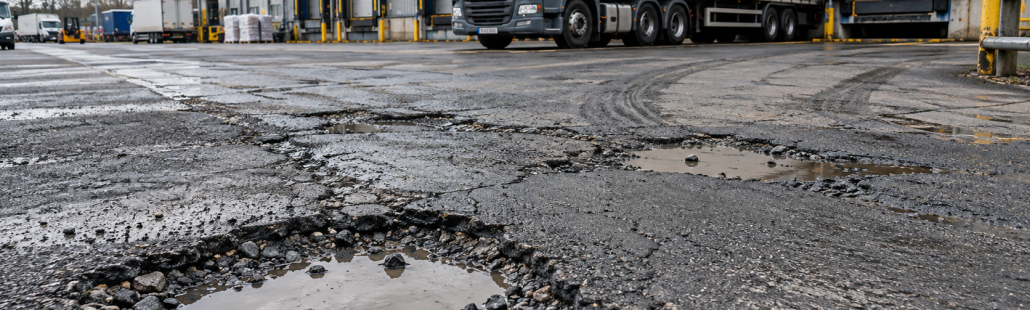
A professional winter inspection begins with a detailed surface assessment. Cracking patterns, fretting, minor potholes and edge breakdown all provide clues about deeper structural performance. Areas showing repeated patching or recurring defects deserve particular attention.
Surface irregularities, including rutting or depressions, may indicate sub-base movement. Recording these issues before works begin allows the project scope to be adjusted accordingly, avoiding reactive changes mid-construction.
Assessing Drainage Performance
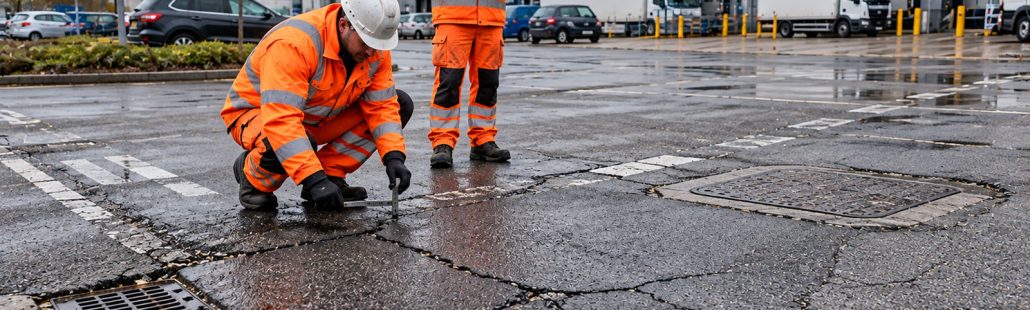
Drainage is one of the most important elements evaluated during winter road inspections UK. Standing water, blocked gullies and ineffective falls all contribute to structural weakening. Winter rainfall often exposes drainage deficiencies that may not be obvious in drier months.
Correcting drainage issues before resurfacing is essential. Installing a new surface over unresolved water problems significantly reduces lifespan and can lead to early failure. Addressing these factors at the inspection stage improves long-term durability.
Checking Sub-Base and Structural Integrity
While surface assessment is important, understanding what lies beneath is equally critical. In some cases, core sampling or test pits may be used to evaluate the strength and thickness of the underlying layers. Weak or contaminated sub-base material must be identified before new surfacing is applied.
Professional tarmac installation relies heavily on proper ground preparation. If structural deficiencies are discovered during inspection, they can be incorporated into the project plan rather than emerging unexpectedly during works.
Reviewing High-Stress Areas
Certain areas of a road network experience greater stress than others. Turning points, loading bays, entrances and junctions are particularly vulnerable to wear. Winter road inspections UK should prioritise these zones, as they often reveal the earliest signs of structural fatigue.
Strengthening high-stress areas during resurfacing improves resilience and reduces the likelihood of repeat failure. Tailoring the design to actual usage ensures that investment delivers maximum benefit.
Evaluating Previous Repairs
Many roads entering late winter will have undergone patch repairs during the colder months. Inspecting the performance of these repairs provides valuable insight into overall condition. Repeated failure in the same location typically indicates deeper base issues rather than isolated surface defects.
If widespread patching has occurred, full resurfacing may be more cost-effective than continued reactive maintenance. Integrating this assessment into the inspection process supports more strategic decision-making.
Professional pothole repairs can address isolated defects, but inspection helps determine when a broader approach is justified.
Ensuring Accurate Project Specification
One of the primary purposes of final winter inspections is to confirm that planned works are correctly specified. Thickness of surfacing layers, reinforcement requirements and drainage improvements should all reflect current site conditions.
In commercial environments, this is particularly important. Heavy vehicle movements demand robust construction standards. Engaging experienced contractors for commercial surfacing ensures that specifications align with operational requirements identified during inspection.
Avoiding Delays and Budget Overruns
Unexpected discoveries during construction are a common cause of project delays. Soft ground, unstable edges or unanticipated drainage problems can halt progress while revised plans are agreed. By conducting thorough winter road inspections UK beforehand, these risks are significantly reduced.
Accurate early assessment allows budgets to reflect the true scope of works. This improves financial planning and prevents mid-project cost escalation that can strain maintenance budgets.
Safety Considerations During Inspection
Winter inspections are not solely about structural performance. They also provide an opportunity to assess safety risks before works commence. Uneven surfaces, loose materials and deteriorated edges can present hazards to vehicles and pedestrians.
Identifying these risks early allows temporary mitigation measures to be implemented before major works begin. Maintaining safe access during the transition period between winter and spring is essential for active commercial sites.
Preparing for Spring and Summer Works
Major road works are often scheduled for spring and summer when weather conditions are more favourable. Completing winter road inspections UK shortly before this period ensures that projects proceed efficiently once conditions allow.
This proactive approach supports smoother scheduling, better coordination and improved quality outcomes. It also ensures that resurfacing or reconstruction addresses the full extent of winter damage rather than simply refreshing the surface.
Taking a Proactive Approach to Road Management
Final winter inspections should be viewed as a strategic management step rather than a routine formality. They provide clarity on structural condition, highlight hidden risks and inform better long-term decisions.
For property owners and site managers, this proactive approach protects investment, reduces disruption and improves the reliability of access infrastructure. By thoroughly assessing road condition before major works begin, it is possible to deliver projects that perform as intended and stand up to the demands of the year ahead.