
- admin
- No Comments
- April 9, 2026
Eco-Friendly Road Surfacing: Is It Worth It?
Sustainability is now a key consideration for UK property owners and commercial site managers. With increasing environmental awareness and regulatory expectations, infrastructure decisions are no longer based solely on cost and durability. Eco-friendly road surfacing provides an opportunity to reduce environmental impact while maintaining the performance required for busy commercial environments.
Investing in sustainable infrastructure also enhances corporate responsibility and supports long-term asset value. Businesses that prioritise environmentally responsible construction methods often benefit from improved reputation and compliance with sustainability objectives.
What Is Eco-Friendly Road Surfacing?
Eco-friendly road surfacing refers to construction and maintenance practices designed to minimise environmental impact throughout a road’s lifecycle. These methods include the use of recycled materials, energy-efficient production techniques and improved drainage systems that enhance longevity.
Sustainable solutions are commonly incorporated into modern commercial surfacing projects, ensuring that environmental responsibility does not compromise structural strength or durability.
Key Environmental Benefits
Reduced Carbon Emissions
Traditional asphalt production requires high temperatures and significant energy consumption. Warm mix asphalt technologies allow materials to be produced and laid at lower temperatures, reducing fuel usage and greenhouse gas emissions. This makes eco-friendly surfacing an effective way to lower the carbon footprint of commercial infrastructure projects.
Conservation of Natural Resources
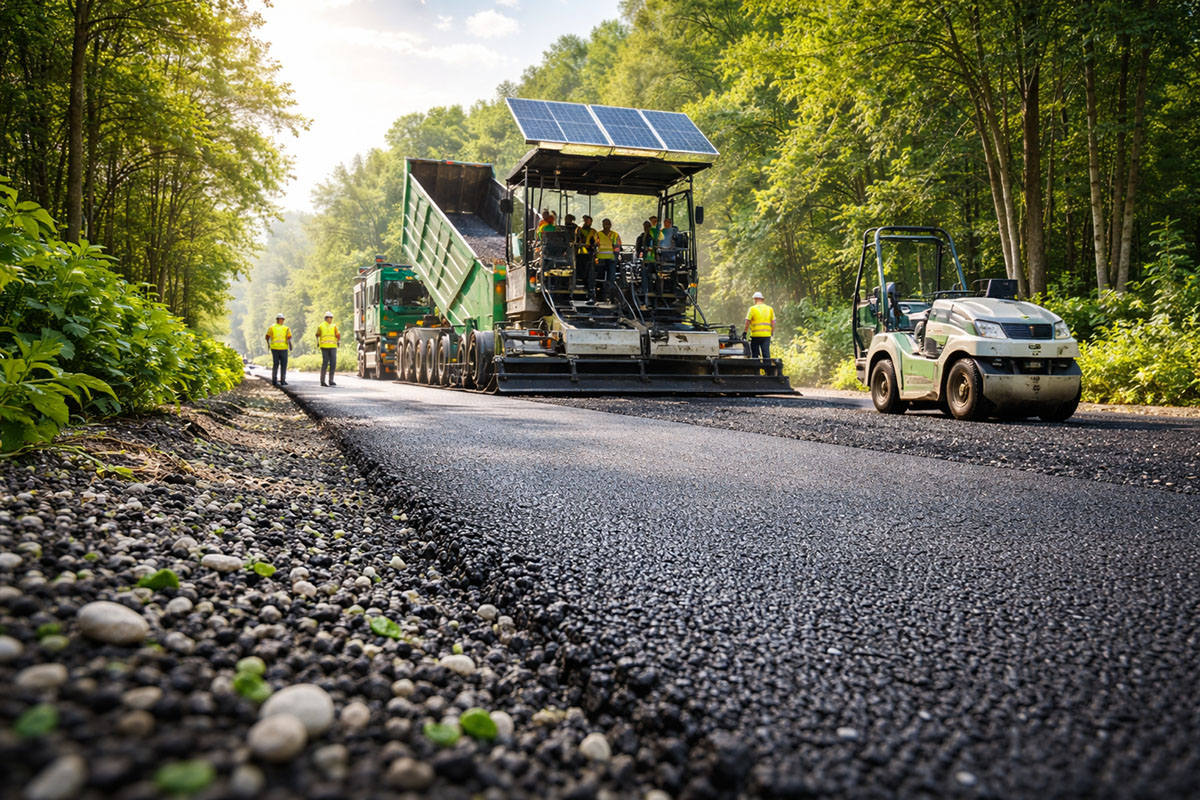
The reuse of reclaimed asphalt pavement significantly reduces the need for virgin aggregates and bitumen. Sustainable practices during tarmac installation help conserve natural resources while maintaining the high performance expected from commercial road surfaces.
Waste Reduction
Eco-friendly surfacing promotes a circular construction approach by recycling existing materials. This minimises landfill waste and improves overall project efficiency, making it an environmentally and economically sound choice.
Performance and Durability
A common concern among property owners is whether eco-friendly surfacing can match the durability of traditional materials. Modern sustainable asphalt mixes are engineered to meet the same performance standards as conventional solutions. When installed correctly, they provide excellent resistance to heavy traffic, temperature fluctuations and environmental stress.
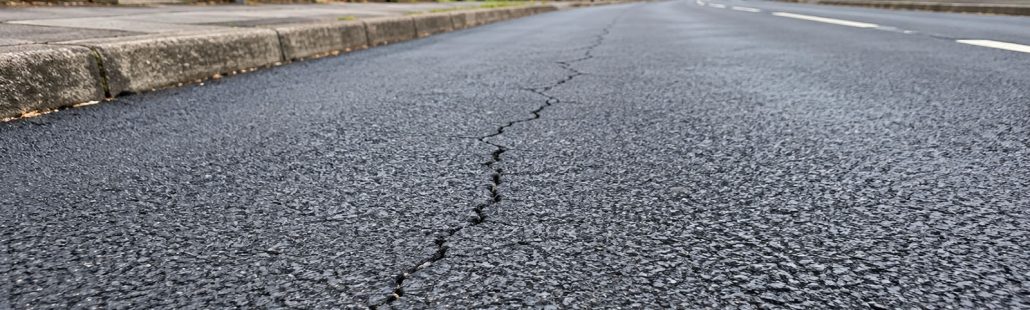
Routine maintenance remains essential to maximise lifespan. Timely pothole repairs help preserve the integrity of the surface and prevent minor defects from developing into structural issues.
Cost Considerations
Initial Investment
Eco-friendly road surfacing may involve slightly higher upfront costs depending on material availability and project complexity. However, these initial expenses are often offset by long-term financial benefits.
Long-Term Savings
Sustainable surfaces are designed with longevity in mind, resulting in reduced maintenance requirements and lower lifecycle costs. The use of recycled materials can also decrease transportation and disposal expenses, making eco-friendly options financially competitive.
Compliance and Reputation Benefits
Adopting sustainable infrastructure demonstrates environmental responsibility and can support compliance with regulatory standards. This commitment can enhance brand reputation and increase the attractiveness of commercial properties to tenants and stakeholders.
Suitability for Commercial Sites
Eco-friendly road surfacing is particularly well suited to industrial estates, logistics hubs and retail parks. These environments demand durable surfaces capable of supporting heavy traffic while aligning with sustainability objectives. By integrating environmentally responsible materials into infrastructure planning, property owners can future-proof their sites against evolving environmental expectations.
The Role of Drainage and Permeable Solutions
Sustainable surfacing often incorporates improved drainage systems. Permeable solutions allow water to infiltrate naturally into the ground, reducing runoff and helping manage flood risk. Effective drainage also minimises standing water, enhancing safety and preventing premature surface deterioration.
Balancing Sustainability With Practical Performance
While environmental benefits are significant, eco-friendly road surfacing must still meet the practical demands of commercial use. The most successful projects strike a balance between sustainability and structural performance. Working with experienced professionals ensures that environmentally responsible solutions deliver reliable, long-term results.
Long-Term Value for Property Owners
For property owners and site managers, eco-friendly road surfacing represents a strategic investment rather than a simple maintenance expense. Reduced lifecycle costs, enhanced durability and improved environmental credentials all contribute to increased asset value and operational efficiency.
Is Eco-Friendly Road Surfacing Worth It?
Eco-friendly road surfacing is undoubtedly worth considering for most commercial applications in the UK. While initial costs may vary, the long-term benefits in durability, sustainability and financial efficiency make it a compelling option. By embracing sustainable materials and professional installation methods, businesses can achieve resilient and environmentally responsible infrastructure that supports both operational needs and broader sustainability goals.