
- admin
- No Comments
- May 28, 2026
Can Cooler Tarmac Reduce UK Urban Heat?
Urban areas across the UK are becoming warmer, particularly during summer months. Dense construction materials such as asphalt, concrete and brick absorb and retain heat, contributing to what is known as the urban heat island effect. Car parks, access roads and commercial yards can become significantly hotter than surrounding green spaces.
As sustainability becomes a growing priority, questions are emerging about whether cooler tarmac UK solutions can help mitigate rising surface temperatures while maintaining durability.
Why Standard Tarmac Absorbs Heat
Traditional black asphalt absorbs a large proportion of solar radiation. Its dark colour increases heat retention, which can raise surface temperatures considerably during prolonged sunshine. Even in the UK’s relatively moderate climate, car parks and access roads can become uncomfortable for pedestrians and place additional stress on surrounding infrastructure.
High surface temperatures can also soften asphalt slightly, making it more susceptible to deformation under heavy traffic loads.
Professional tarmac installation must account for seasonal temperature variation to ensure structural stability.
What Is Cooler Tarmac?
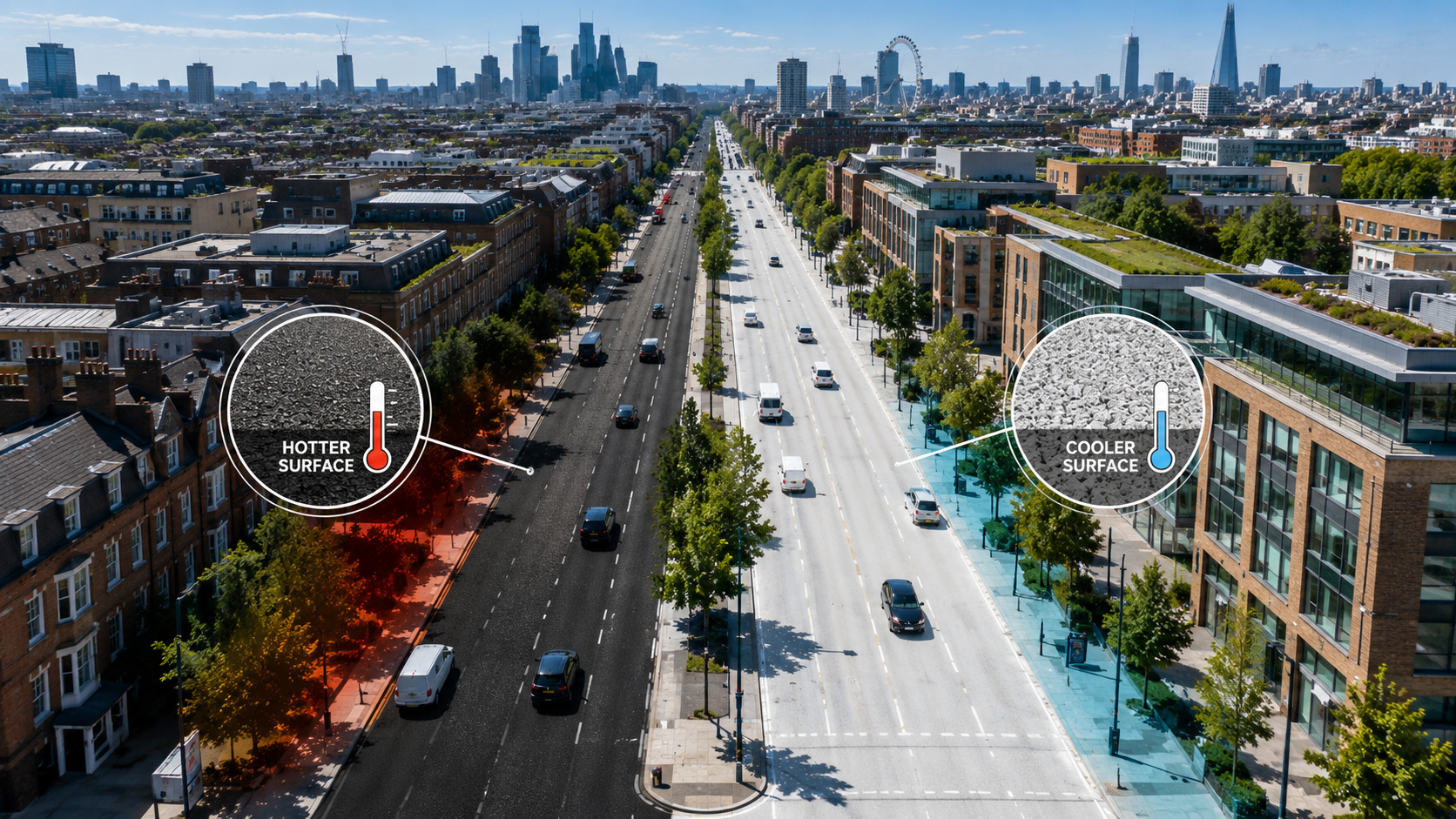
Cooler tarmac refers to surfacing materials or treatments designed to reflect more sunlight and absorb less heat. This can be achieved through lighter-coloured aggregates, reflective coatings or modified asphalt mixes that reduce thermal absorption.
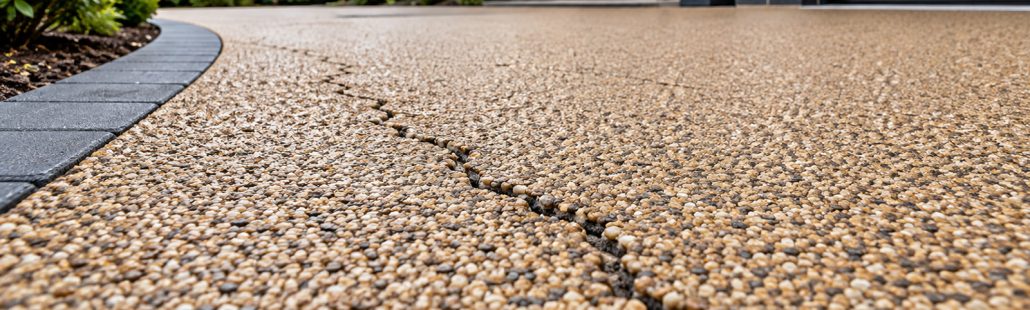
In some cases, permeable surfaces or resin-based finishes are also considered as part of heat-reduction strategies. For example, certain decorative resin bound surfacing options offer lighter colour tones that may reduce heat absorption compared to traditional black asphalt.
Does It Make a Meaningful Difference in the UK?
The UK does not experience the extreme summer temperatures seen in southern Europe, but urban heat accumulation is still measurable. Lighter surfacing can help reduce peak surface temperatures, particularly in exposed car parks and commercial forecourts.
However, the impact varies depending on location, shading, traffic volume and surrounding building density. In densely developed business parks, heat retention may be influenced as much by building materials as by road surfaces.
Cooler tarmac solutions are therefore most effective as part of a broader sustainability strategy rather than a standalone fix.
Structural Performance Considerations
While temperature reduction is beneficial, structural durability must remain the priority. Roads and car parks still need to withstand heavy traffic, static loads and frequent turning movements.
When implementing cooler tarmac UK solutions, it is essential that reflective properties do not compromise strength or flexibility. Experienced providers of commercial surfacing ensure that performance requirements are fully maintained.
Balancing environmental considerations with structural reliability is key.
The Role of Permeability
Permeable surfacing options can also influence heat levels. By allowing water to pass through the surface, permeable systems reduce standing water and may contribute to cooling through evaporation.
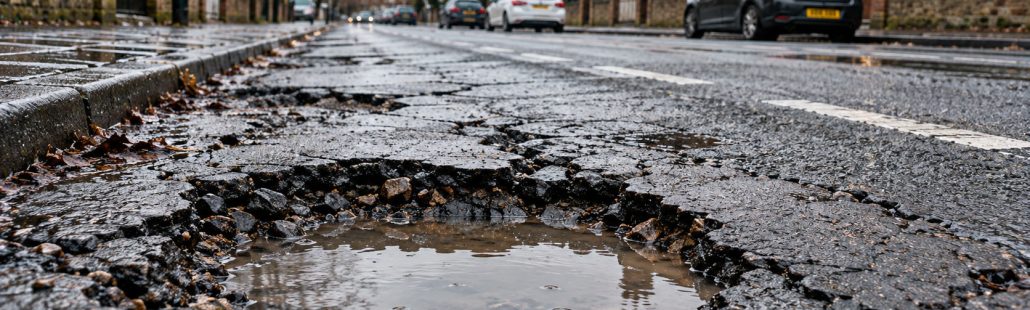
Improved drainage also protects structural layers from water damage. Regular maintenance, including prompt pothole repairs, ensures that cooling benefits are not undermined by surface deterioration.
Cost Implications
Cooler or modified tarmac options may carry slightly higher initial costs due to material adjustments or specialised finishes. However, these costs may be offset by sustainability benefits, improved comfort in pedestrian areas and potential compliance with environmental targets.
For commercial property owners, the decision should weigh both environmental impact and lifecycle performance.
Is Cooler Tarmac Worth It?
In the UK climate, cooler tarmac can contribute to modest temperature reductions in exposed areas, particularly large car parks and open commercial yards. While it will not eliminate urban heat entirely, it can form part of a wider environmental strategy alongside landscaping, shading and improved drainage.
For commercial sites aiming to reduce environmental impact and enhance user comfort, cooler tarmac UK solutions may provide measurable benefits when specified correctly.
Conclusion
Cooler tarmac is not a universal solution to urban heat, but it can help reduce surface temperature and support sustainability goals in the UK. The key is ensuring that environmental improvements do not compromise structural integrity.
With careful design and professional installation, cooler surfacing materials can deliver both durability and environmental value for modern commercial developments.