
- admin
- No Comments
- June 3, 2026
Can Recycled Materials Produce Stronger Road Surfaces?
Sustainability is becoming a priority across UK construction sectors, and road surfacing is no exception. With increasing pressure to reduce carbon emissions and material waste, many contractors are turning to recycled road materials UK solutions.
But an important question remains for commercial property owners and site managers: can recycled materials actually produce stronger road surfaces, or do they compromise durability?
The answer depends on specification, preparation and professional installation.
What Are Recycled Road Materials?
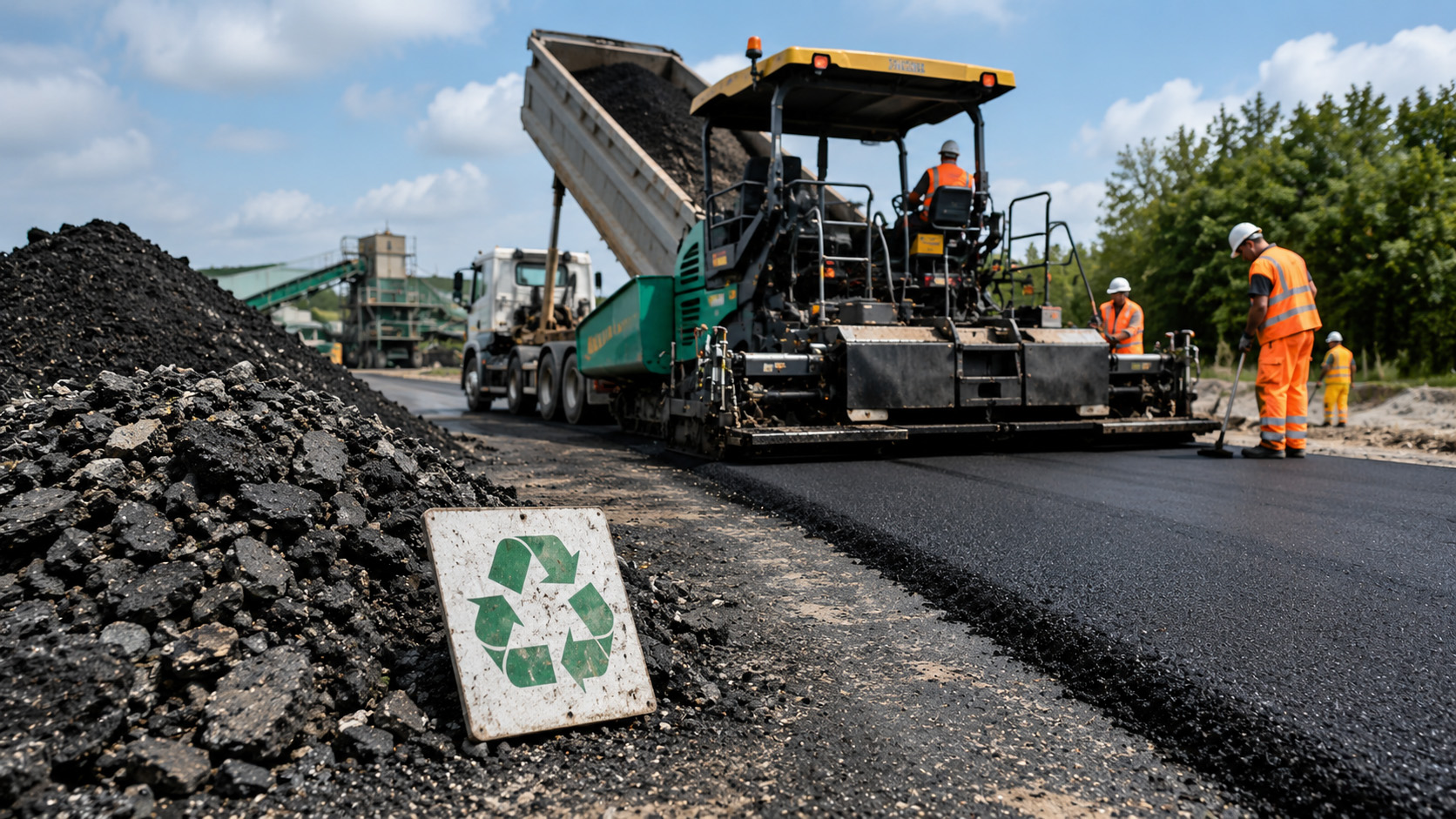
In most cases, recycled road construction involves reclaimed asphalt pavement. This material is removed from existing roads, processed and reintroduced into new asphalt mixes. Recycled aggregates from construction waste may also be incorporated into sub-base layers.
Rather than sending old materials to landfill, they are repurposed into new structural layers, reducing demand for virgin aggregates and bitumen.
Modern commercial surfacing projects increasingly integrate recycled content while maintaining structural performance standards.
Can Recycled Asphalt Be Stronger?
When properly processed and blended, recycled asphalt can perform as well as traditional mixes. In some cases, it can even enhance durability.
Reclaimed asphalt contains aged bitumen, which can increase stiffness in the new mix. Greater stiffness may improve resistance to rutting under heavy traffic. However, excessive stiffness without proper balancing can increase brittleness.
This is why correct mix design is critical. During professional tarmac installation, recycled content is carefully proportioned to maintain flexibility while improving structural strength.
The Role of Sub-Base Recycling
Recycled materials are often used within the sub-base layer, where structural support is most important. Crushed concrete and reclaimed aggregates can provide excellent load-bearing capacity when compacted correctly.
A strong recycled sub-base can enhance overall road performance, particularly in commercial environments where heavy goods vehicles are common.
Proper compaction and grading are essential to ensure stability and prevent settlement.
Environmental Benefits Without Structural Compromise
Using recycled road materials reduces extraction of natural aggregates, lowers transportation emissions and decreases landfill waste. From a sustainability perspective, the advantages are clear.
The key concern is whether these environmental gains come at the expense of durability. When correctly specified, recycled materials do not reduce structural performance. Instead, they can support both environmental and long-term financial objectives.
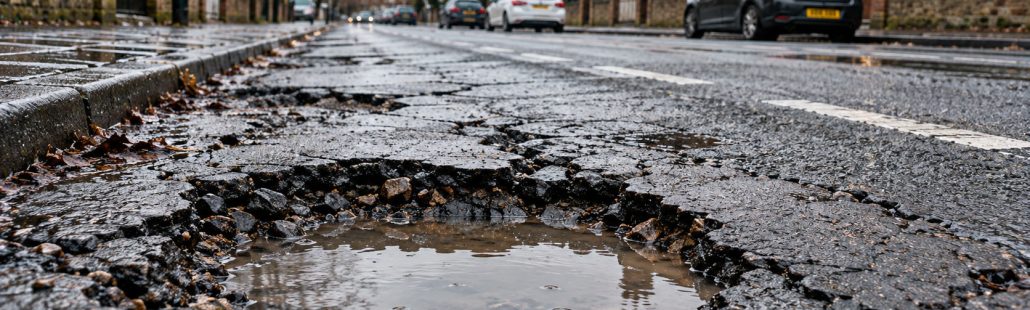
Routine maintenance, including prompt pothole repairs, remains important regardless of material choice.
Potential Challenges
Recycled materials require careful quality control. Inconsistent grading or contamination can weaken the mix. Reputable contractors test materials thoroughly to ensure compliance with performance standards.
Climate also plays a role. In the UK’s wet conditions, drainage remains a priority. Recycled layers must be integrated into a well-designed structure that prevents water ingress and freeze-thaw damage.
Recycled content alone does not determine strength; overall design and workmanship are equally important.
Performance in Commercial Settings
Commercial and industrial sites demand robust surfaces capable of withstanding heavy traffic, turning movements and static loads. Recycled asphalt mixes are now commonly used in such environments without compromising lifespan.
In fact, when properly engineered, recycled mixes can offer comparable resistance to deformation and fatigue as traditional materials.
The deciding factor is not whether the material is recycled, but how it is specified and installed.
Cost Considerations
Recycled road materials can offer cost efficiencies due to reduced raw material demand. However, pricing depends on availability, processing requirements and transport logistics.
For large-scale commercial projects, incorporating recycled content can support budget management while meeting sustainability objectives.
Lower material extraction costs may also contribute to long-term economic benefits.
Are Recycled Roads the Future?
As sustainability regulations tighten and environmental expectations increase, recycled road materials are likely to become even more common across the UK.
Advances in material processing and mix design continue to improve performance, making recycled content a viable and often beneficial option for commercial infrastructure.
Conclusion
Recycled road materials UK projects can absolutely produce strong, durable road surfaces when properly specified and installed. Strength depends less on whether materials are recycled and more on correct mix design, structural depth and professional workmanship.
For commercial property owners, recycled surfacing offers the potential for environmental responsibility without sacrificing performance. When integrated into a well-designed road structure, recycled materials can deliver durability equal to, and sometimes exceeding, traditional alternatives.