
- admin
- No Comments
- June 28, 2026
Is Resin Bound Surfacing Really Worth the Extra Cost? The Truth for UK Property Owners
Over the last decade, resin bound surfacing has become one of the fastest-growing choices for driveways, commercial entrances, footpaths and public spaces across the UK. Its smooth appearance, wide range of natural aggregate finishes and excellent drainage performance make it an attractive alternative to traditional tarmac and block paving.
However, resin bound surfacing is typically more expensive than conventional surfacing options. This naturally leads many property owners to ask whether the additional investment is genuinely worthwhile or simply paying for aesthetics.
The answer depends entirely on how the surface will be used.
What Makes Resin Bound Surfacing Different?
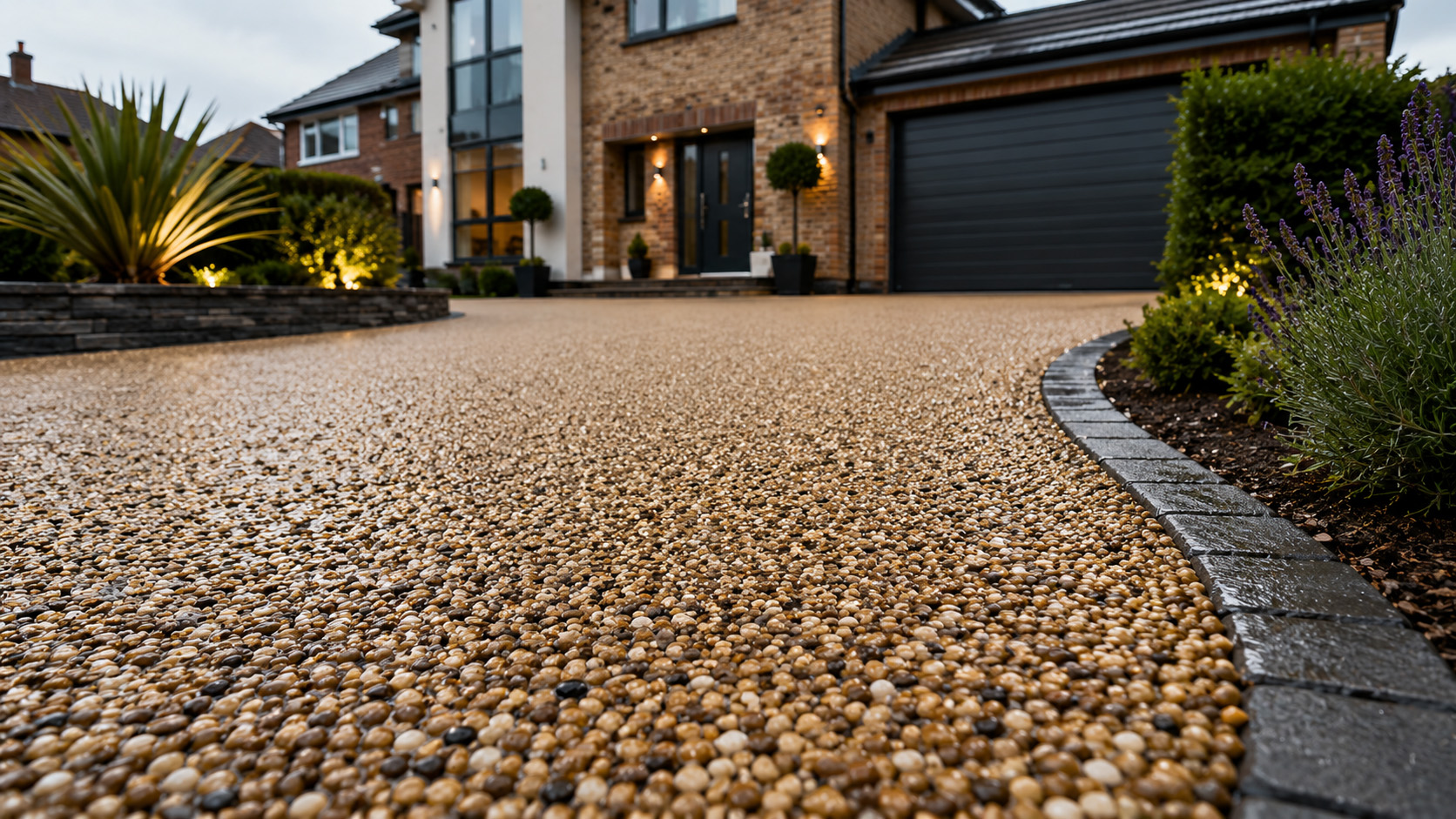
Unlike loose gravel or resin bonded systems, resin bound surfacing mixes decorative aggregate with specialist resin before it is laid. Every stone is coated in resin, creating a smooth, permeable surface that allows rainwater to drain naturally through the material.
Professional resin bound surfacing provides a seamless finish that combines functionality with visual appeal, making it suitable for both residential and selected commercial applications.
Because the surface is permeable, standing water is significantly reduced compared with many traditional paving solutions.
The Advantages of Resin Bound Surfacing
One of the biggest attractions is appearance. Resin bound surfaces create a premium finish that immediately improves the kerb appeal of a property. With a wide choice of colours and natural stone blends available, property owners can achieve a finish that complements both modern and traditional buildings.
The permeability of the surface also provides practical benefits. Water drains through the aggregate rather than collecting on the surface, helping reduce puddles and lowering the risk of surface water problems during periods of heavy rainfall.
Maintenance requirements are relatively low. Unlike block paving, there are no joints for weeds to grow through, and the smooth surface is easy to clean with occasional brushing or pressure washing.
For many commercial developments, this combination of appearance and practicality makes resin bound surfacing an attractive long-term investment.
Where Resin Bound Performs Best
Resin bound surfacing is particularly effective for domestic driveways, pedestrian pathways, courtyards, office developments, schools, healthcare facilities and commercial entrances where visual presentation is important.
Many businesses also use resin bound finishes around reception areas or landscaped spaces to create a more welcoming environment for visitors.
While it performs well under cars and light commercial vehicles, heavy industrial traffic requires more robust structural solutions.
In these situations, professional commercial surfacing often provides better long-term performance.
The Limitations Property Owners Should Know
Despite its advantages, resin bound surfacing is not the perfect solution for every project.
Heavy goods vehicles, forklifts and frequent commercial loading can place significant stress on the surface. Areas subjected to constant turning movements or heavy axle loads may experience premature wear if resin bound systems are used where traditional asphalt would be more appropriate.
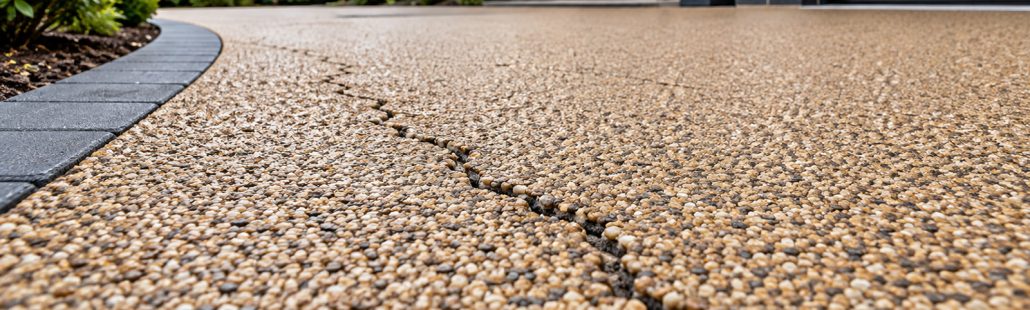
Installation quality is equally important. Resin must be laid under suitable weather conditions and onto a properly prepared foundation. If the underlying base moves or cracks, those defects can eventually become visible in the finished surface.
Choosing an experienced contractor is therefore essential.
Understanding the Real Cost
The higher installation cost of resin bound surfacing reflects both the specialist materials and the precision required during installation.
Although the upfront investment is greater than conventional tarmac, ongoing maintenance costs are often lower because the surface resists weed growth, loose aggregate and standing water.
When viewed over the full lifespan of the installation, many property owners find that the difference in whole-life cost is smaller than expected.
The key is selecting the right surface for the intended use rather than choosing solely on initial price.
Does Resin Bound Last as Long as Tarmac?
When installed correctly on a stable base and used within its intended design limits, resin bound surfacing can provide many years of reliable performance.
However, durability depends heavily on the condition of the foundation beneath. Existing cracked or unstable surfaces should be properly repaired before installation.
Where structural defects already exist, professional tarmac installation or reconstruction may be required before a decorative resin finish can be applied.
Is It the Right Choice for Commercial Properties?
For offices, hotels, schools, healthcare facilities and customer-facing businesses, resin bound surfacing offers an excellent balance between appearance and functionality.
It creates an attractive first impression while providing a smooth, slip-resistant and permeable surface.
Industrial estates, logistics centres and heavily trafficked yards, however, often benefit from conventional asphalt designed specifically for heavy vehicle movements.
Selecting the right material for each area of a site usually produces the best long-term results.
The Long-Term Value
The value of resin bound surfacing extends beyond appearance alone. Improved drainage, reduced maintenance, increased kerb appeal and enhanced accessibility all contribute to the return on investment.
For properties where presentation matters, the additional installation cost can often be justified through increased property value and a more professional appearance.
When correctly specified and professionally installed, resin bound surfacing offers a durable and visually appealing solution that performs well in the UK’s climate.
Conclusion
Resin bound surfacing is not simply a premium-looking alternative to tarmac. It offers genuine practical advantages, including excellent drainage, low maintenance and impressive aesthetics.
While it may not be the best option for every commercial environment, it provides outstanding value for driveways, pathways, commercial entrances and customer-facing spaces where appearance and performance are equally important.
The real question is not whether resin bound surfacing costs more, but whether its long-term benefits justify the investment for your particular property. For many UK property owners, the answer is yes.