
- admin
- No Comments
- July 14, 2026
Why Moss and Algae Can Become a Safety Hazard on Roads
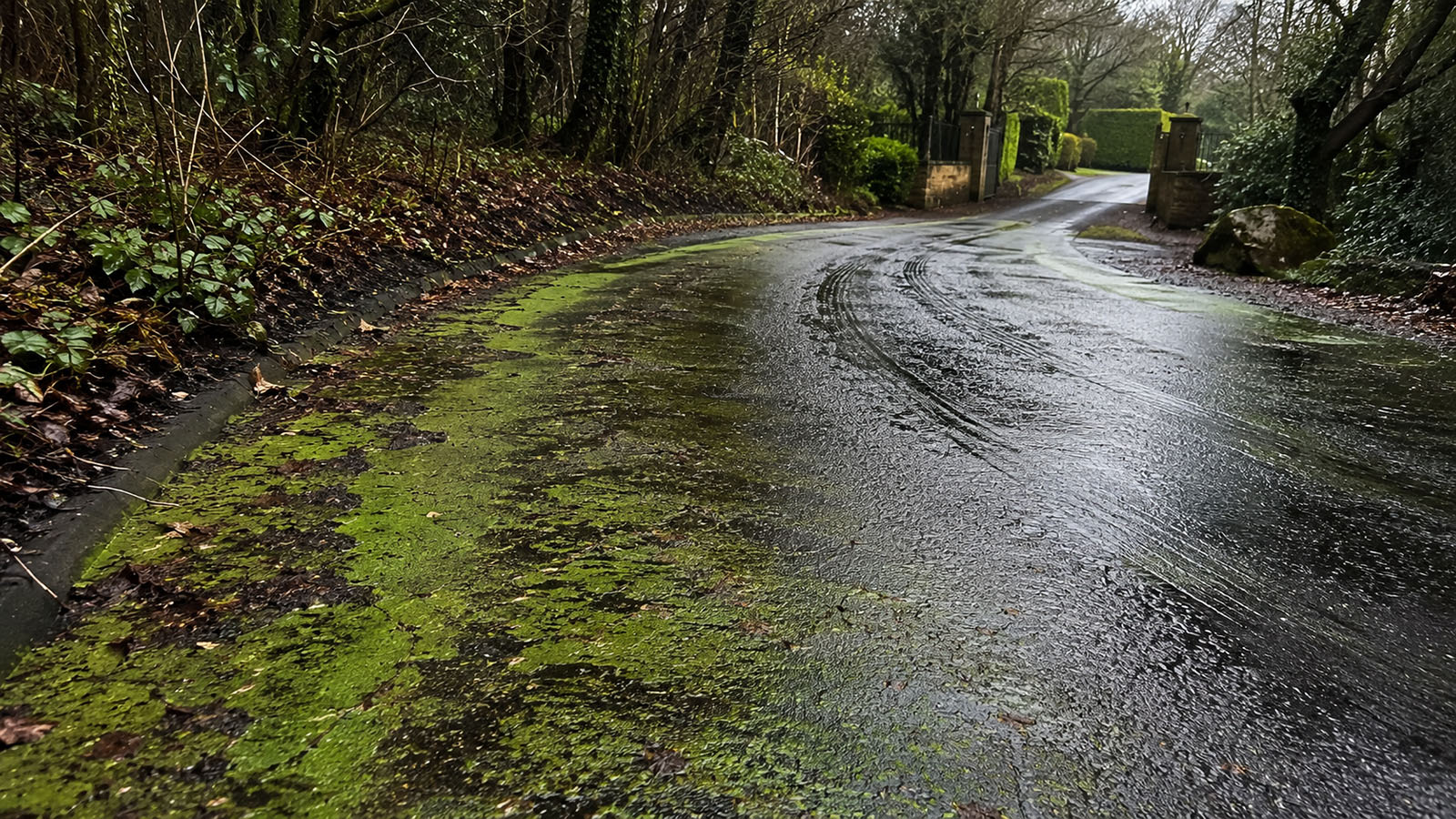
Moss and algae are common on roads, pavements and car parks across the UK, particularly in shaded or damp locations. Many property owners view the green patches as purely cosmetic, but they can quickly become a genuine safety concern.
As these organisms spread across the surface, they retain moisture, reduce grip and contribute to premature road deterioration. Left untreated, they can increase the risk of slips, trips and vehicle skidding while shortening the lifespan of the pavement itself.
For commercial property owners and site managers, understanding the impact of moss and algae road safety UK issues is an important part of effective property maintenance.
Why Moss and Algae Thrive on UK Roads
The UK’s climate provides ideal growing conditions for moss and algae. Frequent rainfall, mild temperatures and limited sunlight during much of the year allow them to establish themselves quickly.
Areas particularly susceptible include:
- Roads shaded by mature trees
- North-facing access roads
- Car parks beneath overhanging vegetation
- Pavements with poor drainage
- Areas where water regularly pools after rainfall
Once established, moss and algae continue to spread unless actively removed.
Reduced Grip Creates Slip Hazards
The biggest safety concern is the reduction in surface grip.
When moss or algae becomes wet, it creates a slippery film across the pavement or road surface. Pedestrians may lose traction while walking, particularly on slopes, ramps or footpaths leading to commercial buildings.
Cyclists and motorcyclists are also vulnerable, especially when turning or braking on affected surfaces.
Even vehicles can experience reduced tyre grip where algae has formed on heavily shaded roads.
Commercial Sites Face Greater Liability
Businesses have a responsibility to maintain reasonably safe access routes for employees, customers and visitors.
If someone slips on a surface where moss or algae has been allowed to accumulate over a prolonged period, property owners could face injury claims and reputational damage.
Regular inspections and proactive maintenance demonstrate that reasonable steps have been taken to manage foreseeable risks.
Professional commercial surfacing helps ensure surfaces remain both durable and safe throughout the year.
Moss Traps Moisture Against the Surface
Moss acts like a sponge.
Rather than allowing roads to dry naturally after rainfall, it retains moisture against the asphalt. This prolonged dampness accelerates surface ageing and increases the likelihood of water penetrating small cracks.
Over time, moisture weakens the pavement structure beneath the surface.
During winter, trapped water freezes and expands, causing cracks to widen and accelerating deterioration through repeated freeze-thaw cycles.
Drainage Problems Often Make Growth Worse
Moss and algae are frequently symptoms of an underlying drainage issue rather than the primary problem.
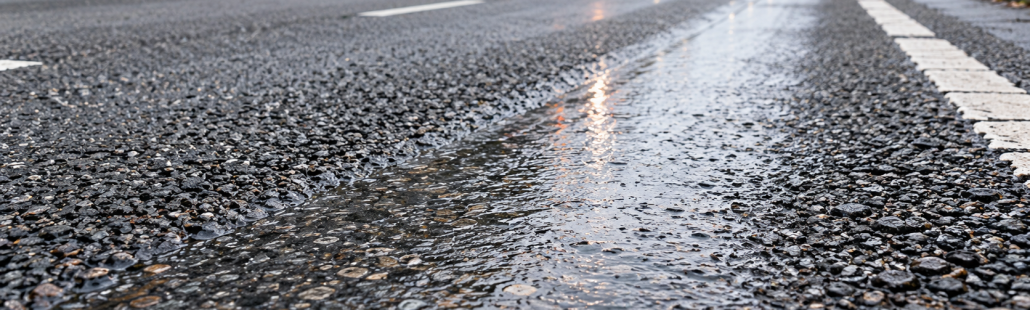
Blocked gullies, poor surface falls or localised depressions allow water to remain on the pavement for extended periods, creating perfect growing conditions.
Professional tarmac installation incorporates effective drainage design to minimise standing water and reduce the likelihood of biological growth.
Addressing drainage problems often prevents moss from returning after cleaning.
Small Surface Defects Become Larger Problems
As moss develops within tiny cracks and joints, it gradually encourages further deterioration.
Moisture trapped beneath the growth weakens the surrounding asphalt while root-like structures penetrate existing surface imperfections.
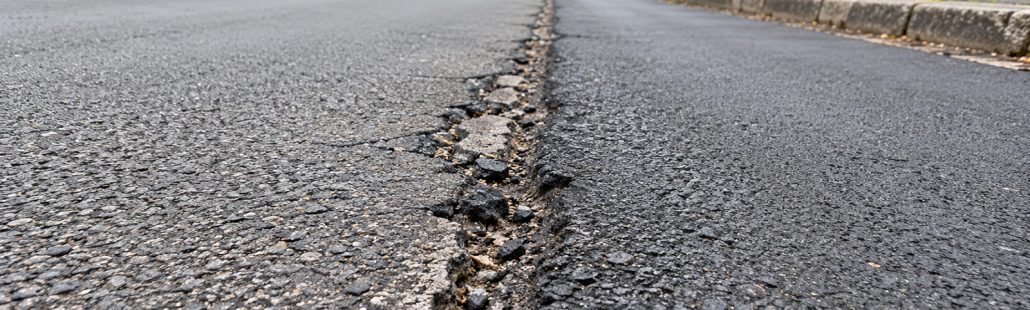
Eventually, cracks widen, loose material develops and potholes begin to form.
Prompt pothole repairs and crack repairs prevent biological growth from contributing to larger structural failures.
Regular Cleaning Protects Road Lifespan
One of the simplest ways to reduce moss and algae road safety UK risks is through routine cleaning.
Removing organic growth before it becomes established helps maintain surface grip while allowing roads and pavements to dry properly after rainfall.
Depending on the location, maintenance may include pressure washing, specialist surface cleaning treatments or vegetation management to improve sunlight and airflow.
Combined with regular inspections, these measures significantly extend pavement lifespan.
Prevention Is Better Than Repair
Although cleaning removes visible moss, preventing future growth is equally important.
Improving drainage, trimming overhanging trees, reducing standing water and repairing early surface defects all make roads less attractive to moss and algae.
Taking preventative action costs considerably less than repairing widespread surface deterioration caused by years of moisture retention.
Conclusion
Moss and algae are often dismissed as minor cosmetic issues, but they can become significant safety hazards on roads, pavements and commercial car parks.
By reducing surface grip, trapping moisture and accelerating pavement deterioration, they increase both maintenance costs and liability risks.
Routine inspections, effective drainage, regular cleaning and timely repairs help keep surfaces safe, attractive and structurally sound. For commercial property owners, preventing moss and algae growth is a simple but valuable investment in the long-term performance of their infrastructure.