
- admin
- No Comments
- July 20, 2026
Is Tarmac Really the Cheapest Option in the Long Run?
When planning a new driveway, commercial access road or car park, the first question many property owners ask is, “How much will it cost?” While the upfront price is important, it rarely tells the whole story.
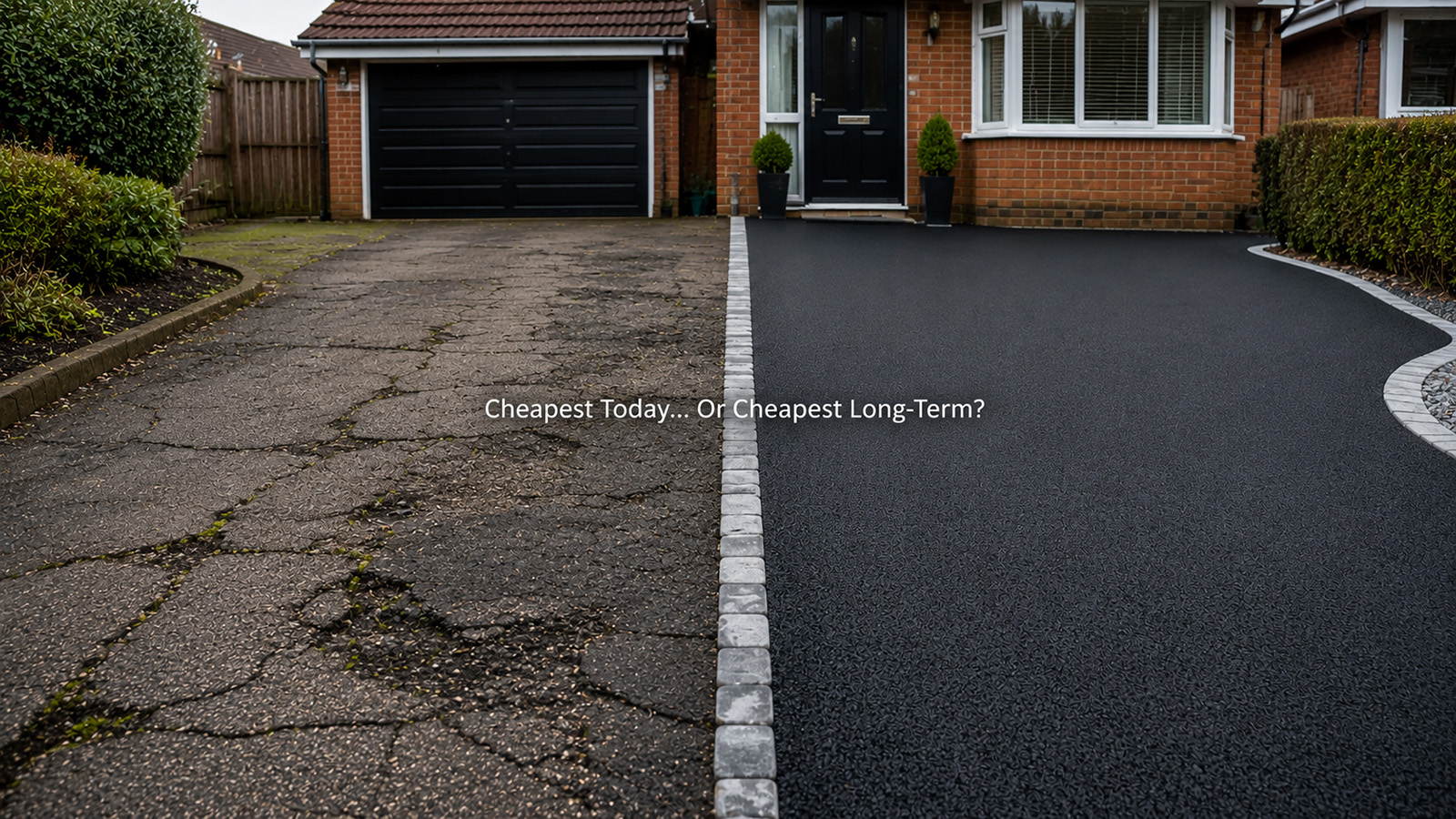
A cheaper installation can become far more expensive if it requires frequent repairs or early replacement. Conversely, a slightly higher initial investment may deliver decades of reliable performance with relatively low maintenance costs.
This is why the real question isn’t whether tarmac is the cheapest option today, but whether it offers the best value throughout its entire lifespan.
Why Tarmac Remains So Popular
Tarmac has been one of the UK’s preferred surfacing materials for decades. It is used extensively on public highways, industrial estates, retail parks and private developments because it provides an excellent balance of durability, flexibility and affordability.
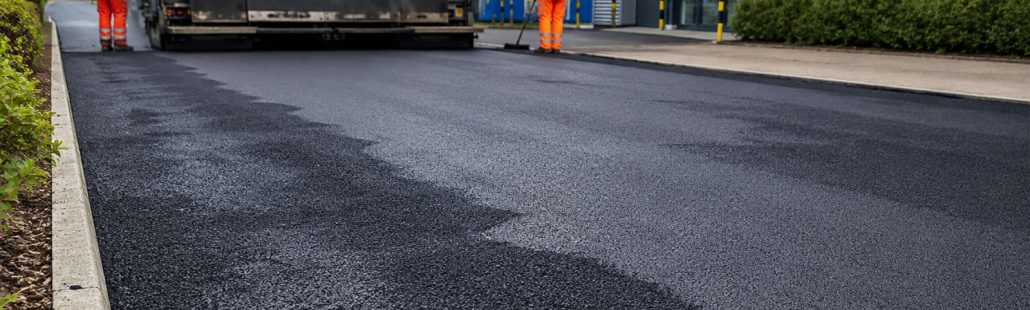
Professional tarmac installation is typically quicker than many alternative surfacing methods, helping reduce labour costs and minimise disruption during construction.
For many commercial projects, this combination of speed and performance makes tarmac an attractive investment.
The Upfront Cost Advantage
Compared with decorative paving systems or specialist resin finishes, tarmac often has a lower installation cost per square metre.
Its relatively straightforward construction process, readily available materials and efficient installation methods help keep project costs competitive.
This makes it particularly suitable for large commercial car parks, industrial estates and access roads where extensive surfacing is required.
However, initial price should never be the only factor influencing a decision.
Maintenance Costs Over Time
Every road surface requires maintenance eventually, but the type and frequency of maintenance vary considerably between materials.
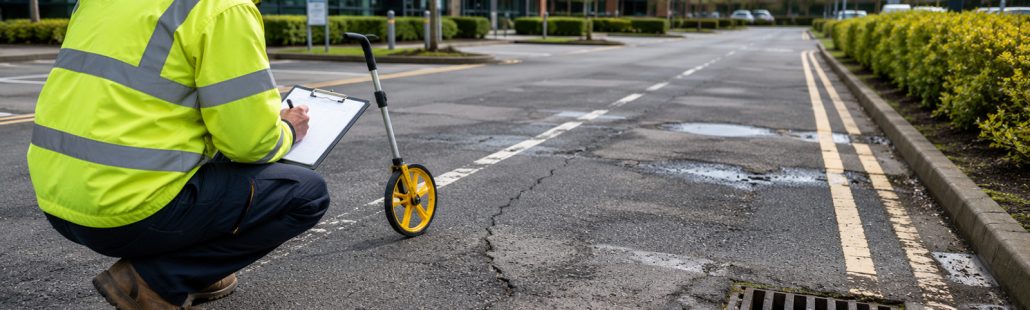
One of tarmac’s biggest strengths is that localised repairs can usually be completed without replacing the entire surface. Small defects can often be repaired quickly before they develop into larger structural issues.
Prompt pothole repairs help preserve the integrity of the surface while extending its overall lifespan.
This repairability contributes significantly to tarmac’s long-term value.
Durability Under Heavy Traffic
Commercial roads experience constant loading from delivery vehicles, HGVs and employee traffic.
Tarmac performs particularly well because it offers a degree of flexibility that allows it to absorb traffic loads more effectively than many rigid surfaces.
When combined with a properly designed sub-base, professional commercial surfacing using quality asphalt can provide reliable performance for many years before resurfacing becomes necessary.
This durability reduces both maintenance costs and operational disruption.
How Does Tarmac Compare With Other Surfaces?
Concrete can offer exceptional lifespan in some applications but often involves higher installation costs and more complex repairs if cracking occurs.
Block paving provides an attractive appearance but requires ongoing maintenance to prevent weed growth, joint movement and settlement.
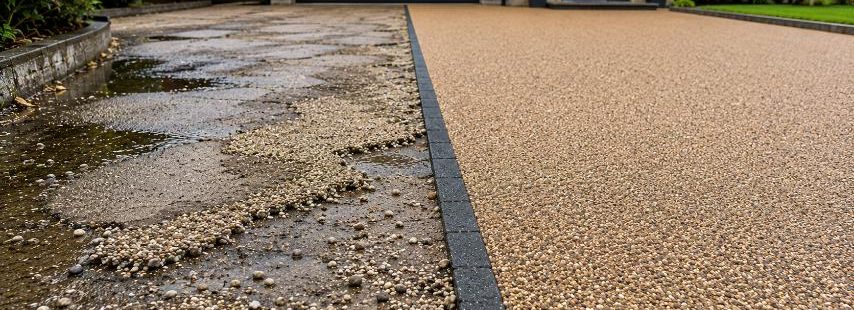
Decorative resin systems deliver excellent aesthetics and permeability but are generally more expensive and may not be suitable for heavy industrial traffic.
Tarmac offers a practical middle ground by combining affordability, durability and ease of maintenance.
Whole-Life Cost Matters Most
The cheapest road surface is not always the one with the lowest quotation.
Whole-life cost includes installation, maintenance, repairs, resurfacing, downtime and operational disruption over many years.
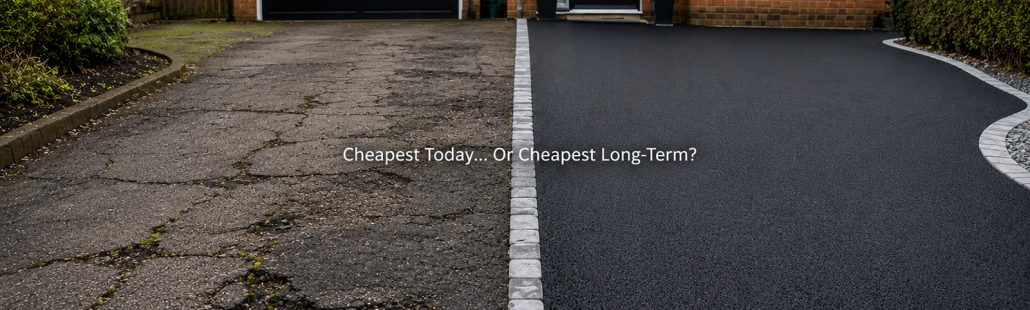
A surface requiring repeated repairs may ultimately cost far more than one with a higher upfront price but lower maintenance requirements.
This is why many commercial property owners assess surfacing options based on lifecycle value rather than installation cost alone.
The Importance of Quality Installation
Even the best material will perform poorly if installed incorrectly.
Inadequate sub-base preparation, insufficient compaction or poor drainage can dramatically reduce the lifespan of any tarmac surface.
Choosing experienced contractors who use appropriate materials and proven construction methods is one of the most effective ways to maximise return on investment.
Quality workmanship often has a greater impact on lifespan than the material itself.
Preventative Maintenance Protects Your Investment
Routine inspections and preventative maintenance help keep lifecycle costs low.
Repairing small cracks, maintaining drainage systems and addressing isolated defects early prevents more extensive structural damage from developing.
A proactive maintenance programme allows property owners to extend surface life while avoiding expensive reconstruction projects.
When maintained properly, tarmac continues to deliver excellent value throughout its service life.
Is Tarmac the Right Choice?
For most commercial roads, access routes and car parks, tarmac remains one of the most cost-effective surfacing solutions available.
Its competitive installation cost, ease of repair, durability under heavy traffic and relatively low maintenance requirements make it an excellent long-term investment.
However, every project is different. Traffic levels, drainage requirements, aesthetics and operational needs should all be considered before selecting the most appropriate surfacing material.
Conclusion
Tarmac is often regarded as the cheapest option because of its competitive installation costs, but its true value lies in its long-term performance. When professionally installed and properly maintained, it provides an outstanding balance between affordability, durability and ease of repair.
Rather than focusing solely on the initial quotation, property owners should consider lifecycle costs, maintenance requirements and expected lifespan. In many commercial applications, tarmac proves to be not only the cheapest option at the start but also one of the most economical choices over the life of the road.