
- admin
- No Comments
- April 15, 2026
Why Some UK Roads Last 20 Years and Others Fail in 5
Across the UK, some roads remain structurally sound for two decades or more, while others begin cracking and deteriorating within five years. For commercial property owners and site managers, this inconsistency can be frustrating and costly.
The difference in road lifespan UK performance is rarely accidental. It typically comes down to design decisions, construction standards, traffic loads and ongoing maintenance. Understanding these factors helps prevent premature failure and protects long-term investment.
The Foundation: Sub-Base Strength
One of the most important factors influencing road longevity is the quality of the sub-base. The sub-base distributes traffic loads and provides structural stability. If it is poorly compacted or too thin, the surface above will flex excessively under traffic.
Over time, this movement leads to cracking and rutting. High-quality commercial surfacing projects prioritise proper ground preparation and structural depth to ensure long-term durability.
Roads that last 20 years are almost always built on well-prepared, properly compacted foundations.
Drainage: The Silent Lifespan Killer
Water is one of the most destructive forces affecting road infrastructure in the UK. Poor drainage allows moisture to penetrate the surface and weaken the sub-base. Once water infiltrates the structure, freeze-thaw cycles accelerate deterioration.
Standing water, blocked gullies and inadequate crossfall are common contributors to early failure. Roads designed with effective drainage systems remain structurally stable for significantly longer.
Without proper water management, even a well-laid surface can deteriorate rapidly.
Traffic Volume and Vehicle Weight
Road design must match expected traffic loads. A surface intended for light vehicle use will not withstand frequent heavy goods vehicles without accelerated wear.
Commercial and industrial sites often experience concentrated loading in turning areas and loading bays. If the road thickness and material specification are insufficient, deformation and cracking will appear quickly.
Professional tarmac installation ensures the asphalt mix and layer thickness are suitable for the anticipated traffic demands.
Installation Quality and Workmanship
Even with correct materials, poor workmanship can shorten road lifespan dramatically. Inadequate compaction, improper temperature control during laying and poorly formed joints can all weaken structural integrity.
Small installation errors may not be visible immediately but can lead to cracking and edge breakdown within a few years. Roads that reach 20 years of service typically benefit from meticulous installation standards and careful attention to detail.
Climate and Environmental Factors
The UK climate introduces additional challenges. Repeated freeze-thaw cycles, heavy rainfall and occasional summer heatwaves all stress asphalt surfaces. Roads built with insufficient flexibility or poor drainage struggle to cope with these conditions.
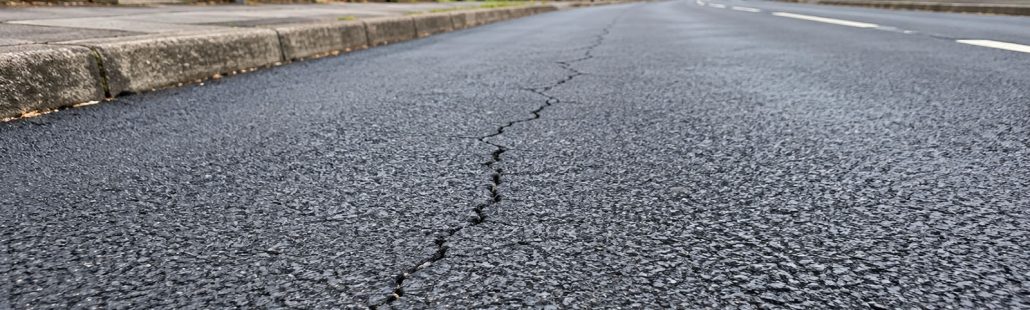
Temperature fluctuations cause expansion and contraction within the material. If the asphalt lacks adequate flexibility, cracks begin to form, allowing water to enter and accelerate deterioration.
Maintenance Strategy Makes a Difference
Roads that last two decades are rarely left unmanaged. Regular inspections and early intervention play a critical role in preserving surface integrity.
Minor cracks, when sealed promptly, prevent water ingress. Timely pothole repairs stop localised damage from spreading into widespread structural failure.
Reactive maintenance, by contrast, often allows small issues to escalate, significantly reducing overall lifespan.
Thickness and Structural Design
Road thickness directly influences longevity. Thin surfaces may appear cost-effective initially but are more prone to fatigue under repeated traffic loading. Increased structural depth improves load distribution and reduces stress on underlying layers.
Investing slightly more during construction often results in significantly extended service life.
Planning for Longevity
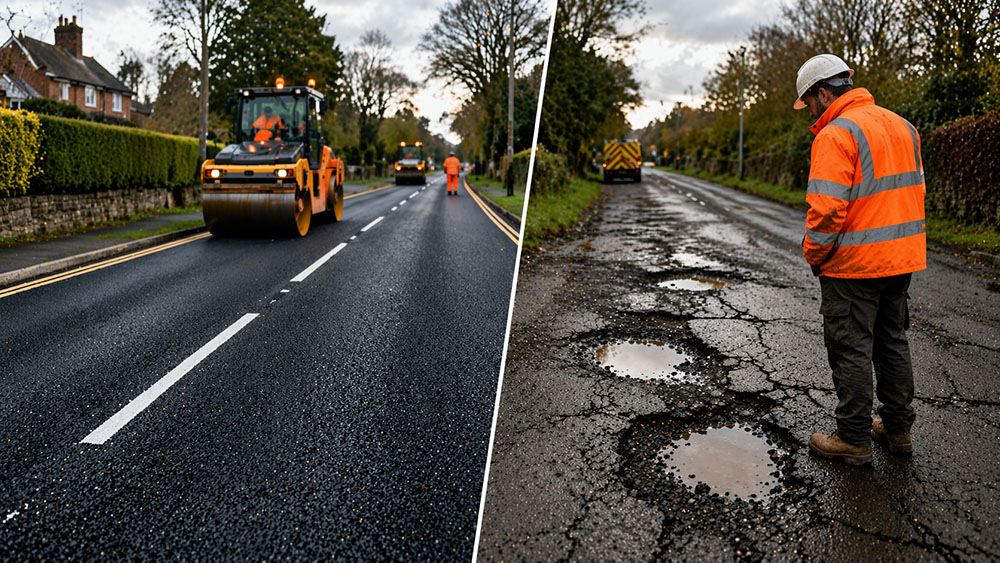
The difference between a five-year road and a twenty-year road is rarely luck. It is usually the result of informed design decisions, professional installation, effective drainage and ongoing maintenance.
For commercial property owners, viewing road surfacing as a long-term asset rather than a short-term expense changes the approach to planning and budgeting. Proper specification, expert workmanship and proactive management ensure that infrastructure performs reliably for years to come.
Conclusion
Some UK roads fail within five years due to weak foundations, poor drainage, inadequate thickness or insufficient maintenance. Others last two decades because they are properly designed, constructed and maintained from the outset.
Understanding the factors that influence road lifespan UK performance enables property owners and site managers to make better infrastructure decisions. Investing in quality from the beginning ultimately delivers lower lifecycle costs, improved safety and greater long-term reliability.