
- admin
- No Comments
- May 22, 2026
Can Councils Still Rely on Pothole Repairs? Why Preventative Surfacing Is Becoming Essential
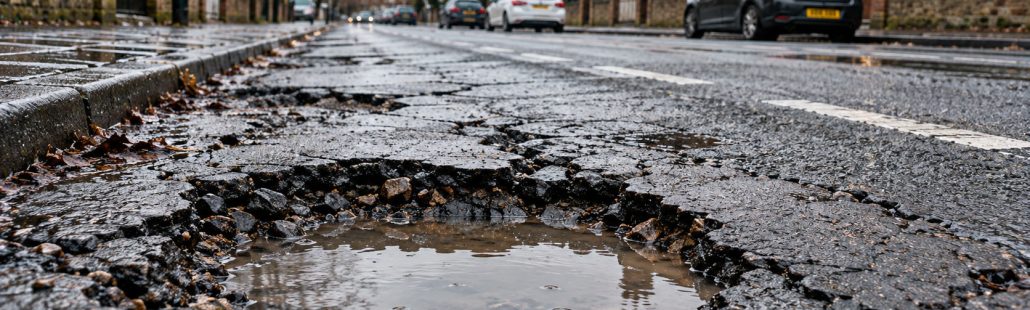
Across the UK, potholes remain one of the most visible and criticised issues affecting local roads. Councils receive constant reports of surface defects, and emergency repairs are often prioritised to maintain safety.
While reactive maintenance has its place, the question increasingly being asked is whether councils can continue to rely primarily on patching. Preventative road surfacing UK strategies are now gaining attention as a more sustainable long-term solution.
Why Reactive Repairs Dominate
Pothole repairs are often the fastest and most politically visible response to road complaints. When a defect appears, filling it restores immediate safety and reduces public frustration.
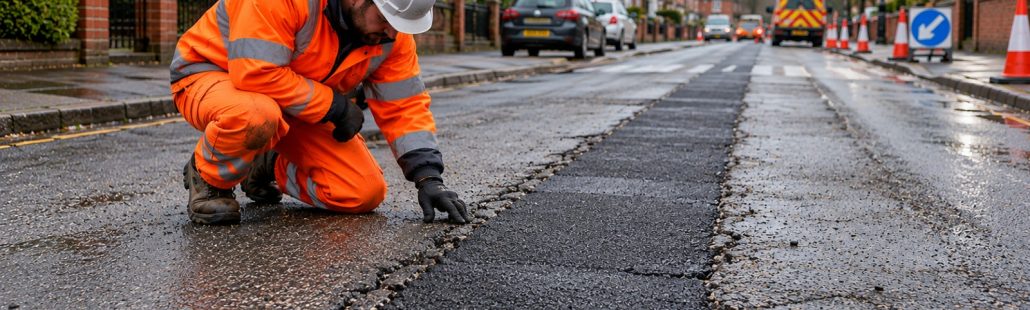
Services such as pothole repairs are essential for addressing isolated hazards quickly. However, repeated patching without structural intervention can lead to escalating maintenance cycles.
Budget constraints also play a role. Reactive repairs typically require lower upfront expenditure compared to full resurfacing schemes, making them easier to approve in tight financial environments.
The Hidden Cost of Constant Patching
While individual repairs may seem cost-effective, cumulative expenditure can become substantial. Roads subjected to repeated patching often develop uneven levels and weakened joints, increasing the likelihood of further defects.
Each repair introduces additional seams into the surface, which can allow moisture penetration. In the UK climate, freeze-thaw cycles accelerate deterioration around these weak points.
Over time, reactive maintenance becomes more expensive than planned resurfacing programmes.
Structural Fatigue Cannot Be Patched Away
Surface defects frequently signal deeper structural fatigue. Weak sub-bases, insufficient thickness and drainage issues cannot be permanently resolved with surface patches alone.
Where structural wear is widespread, broader interventions such as overlay or reconstruction provide more durable outcomes.
Professional commercial surfacing approaches prioritise structural integrity rather than cosmetic improvement.
The Shift Towards Preventative Surfacing
Preventative road surfacing UK strategies focus on treating roads before significant failure occurs. Surface dressing, thin overlays and strengthening works extend lifespan by sealing minor cracks and restoring protective layers.
Rather than waiting for potholes to form, preventative maintenance addresses early signs of wear. This reduces the volume of emergency repairs required in later years.
Forward planning also allows councils to schedule works efficiently, minimising disruption and improving budget predictability.
Long-Term Financial Efficiency
Preventative strategies often require higher initial investment but reduce lifecycle costs. By extending road lifespan by several years, councils avoid the compounded expense of repeated reactive interventions.
Planned resurfacing also improves surface consistency, reducing vehicle damage claims and associated administrative costs.
Public Perception and Road Quality
Residents often associate visible patchwork with poor maintenance standards. Roads covered in numerous repairs can create the impression of neglect, even when safety is maintained.
Uniform resurfacing programmes enhance public confidence and demonstrate strategic infrastructure management.
Environmental Considerations
Preventative surfacing can also reduce environmental impact. Fewer repeated site visits mean lower vehicle emissions from maintenance crews. Additionally, modern materials and efficient tarmac installation techniques support longer-lasting results.
Extending surface lifespan reduces the frequency of reconstruction and the associated resource consumption.
Balancing Immediate Needs with Long-Term Planning
Councils cannot eliminate pothole repairs entirely. Emergency interventions will always be necessary for sudden defects.
However, relying solely on reactive maintenance creates a cycle of deterioration. A balanced strategy combining prompt repairs with scheduled preventative surfacing delivers more sustainable outcomes.
Conclusion
Pothole repairs remain essential for immediate safety, but they cannot serve as the primary long-term strategy for UK road networks. Structural fatigue, water ingress and ageing surfaces require more comprehensive solutions.
Preventative road surfacing UK approaches are becoming essential as councils seek to reduce costs, improve road quality and manage infrastructure more strategically.
Moving from reactive patching to planned maintenance is not simply a financial decision. It is a structural one that determines how well roads perform over the coming decades.