
- min min
- No Comments
- May 20, 2026
Why Patchwork Repairs Can Make Roads Look Worse
At first glance, repairing a pothole or damaged section of tarmac seems like a responsible maintenance decision. However, over time, repeated patchwork road repairs UK sites often develop a visibly inconsistent appearance.
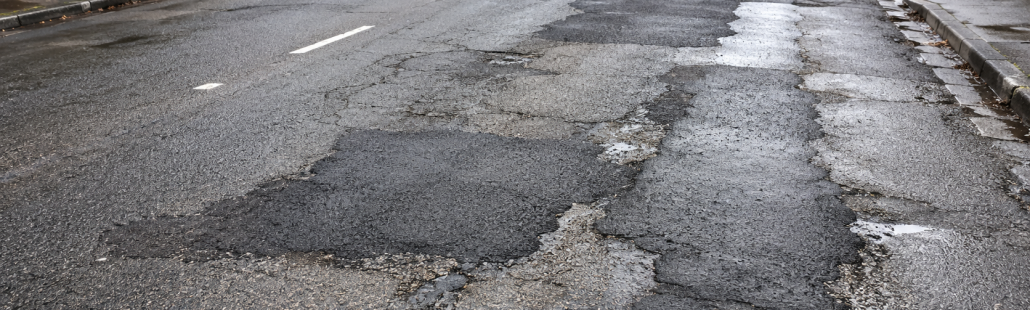
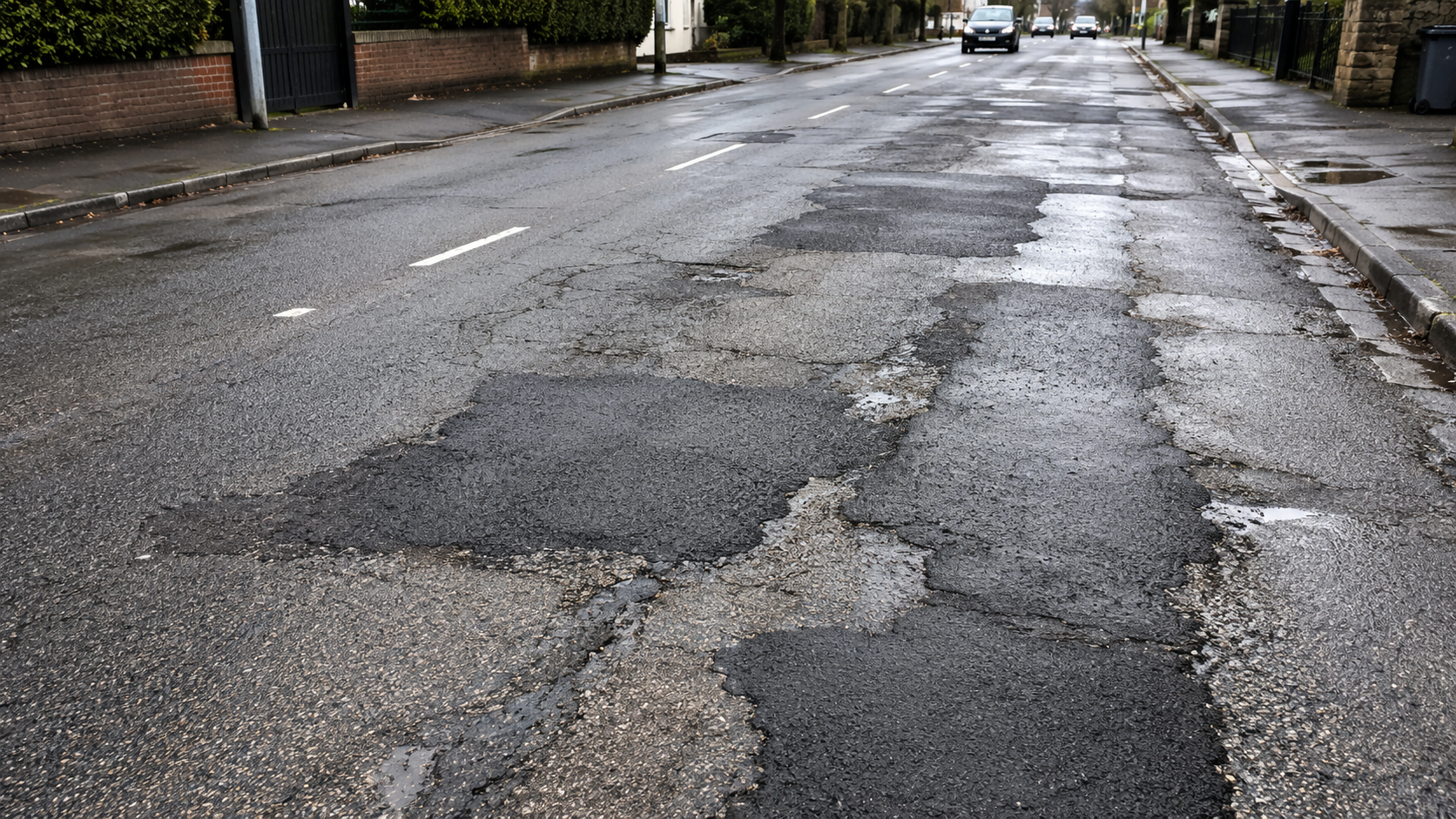
Instead of a smooth, uniform surface, the road begins to resemble a quilt of darker and lighter sections, uneven joins and slightly raised or sunken patches. While each repair may solve an immediate issue, the overall effect can make the road look neglected rather than maintained.
For commercial properties, appearance matters as much as function.
Colour Differences Become More Noticeable
Fresh asphalt is naturally darker than aged tarmac. When a localised patch is installed, the contrast between new and old material is often stark. Over time, oxidation lightens both areas, but the variation in ageing rates means the patched sections rarely blend seamlessly.
Multiple repairs across the same stretch of road amplify this contrast, creating a fragmented look.
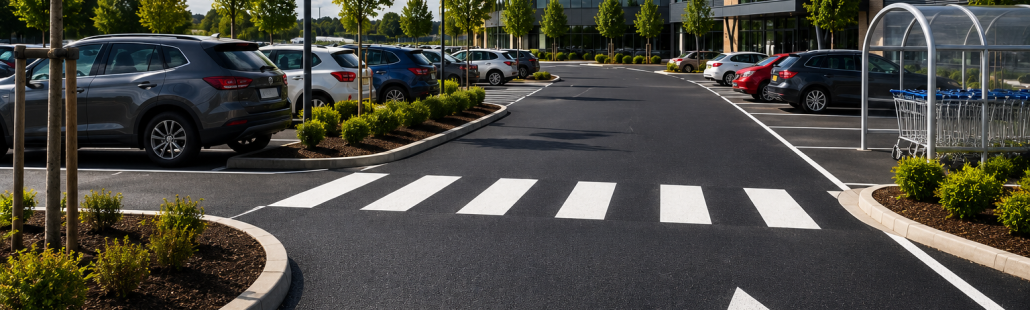
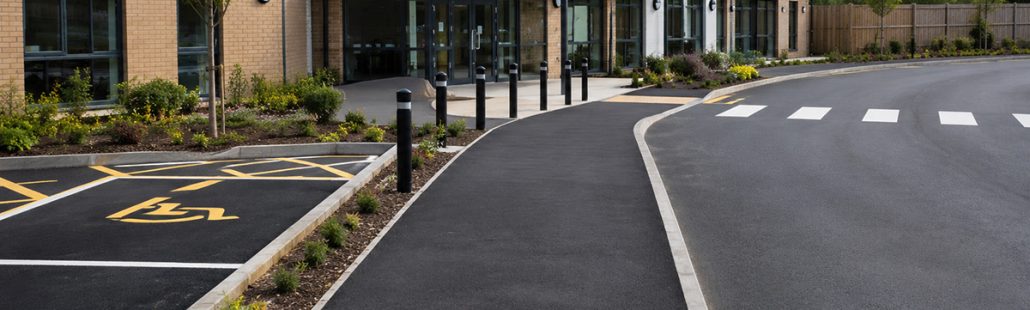
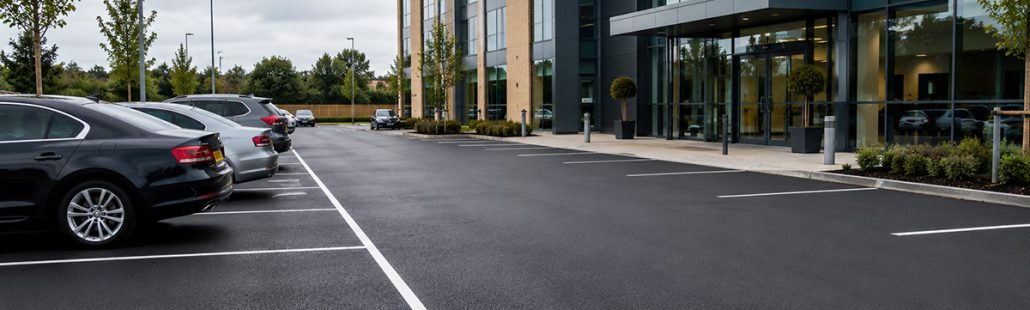
Professional commercial surfacing provides a uniform finish that maintains consistent colour and texture across the entire area.
Uneven Levels and Visible Joints
Even when applied carefully, patch repairs introduce additional joints into the surface. These joints can settle at slightly different rates compared to surrounding material.
Minor level differences may not be immediately obvious, but as traffic passes repeatedly over the area, slight depressions or raised edges develop. Over time, these irregularities become increasingly visible.
Repeated pothole repairs across a wide area can leave a surface that looks uneven and pieced together.
Texture Inconsistencies
Different repair materials or compaction levels can produce slight variations in surface texture. Some patches may appear smoother, while others look coarser depending on aggregate mix and rolling technique.
Under certain lighting conditions, especially in car parks or industrial estates, these differences become more apparent and detract from the overall presentation of the site.
Water Pooling Around Patches
Patch edges can disrupt natural water flow if not perfectly aligned with existing camber. Slight ridges or dips may cause water to pool around repaired areas.
Standing water not only accelerates deterioration but also highlights the presence of patches visually, drawing attention to defects rather than concealing them.
Proper tarmac installation across a full section eliminates these inconsistencies and restores effective drainage.
The Impact on Commercial Image
For retail parks, business estates and office complexes, external appearance contributes to brand perception. A road covered in visible patches can give the impression of reactive rather than proactive management.
While safety remains the priority, consistent surfacing supports a professional image and enhances overall site presentation.
Repeated Repairs Signal Deeper Issues
When patches begin to multiply, it often indicates structural fatigue beneath the surface. The sub-base may be weakening, or drainage problems may be accelerating deterioration.
Continuing to patch without addressing root causes can result in both aesthetic decline and ongoing financial inefficiency.
At a certain point, resurfacing becomes more cost-effective and visually cohesive than further localised repairs.
When Patch Repairs Are Appropriate
Patch repairs remain necessary for isolated defects or emergency hazards. They restore safety quickly and minimise disruption.
The issue arises when patching becomes the default long-term strategy across large areas. In such cases, the cumulative visual and structural impact can outweigh the short-term savings.
Moving From Reactive to Strategic Maintenance
Rather than repeatedly addressing individual defects, periodic condition assessments allow property owners to determine when broader resurfacing is warranted.
A planned upgrade programme reduces patchwork appearance, restores uniformity and improves long-term durability.
Conclusion
Patchwork road repairs UK solutions serve an important role in maintaining safety, but over time they can make roads look fragmented, uneven and poorly maintained.
Colour differences, visible joints, uneven levels and texture inconsistencies gradually undermine appearance. For commercial properties where presentation and reliability matter, moving beyond repeated patches to comprehensive surfacing solutions ensures both visual consistency and structural performance.