
- admin
- No Comments
- May 18, 2026
Why Modern Car Parks Need More Than Just Fresh Tarmac
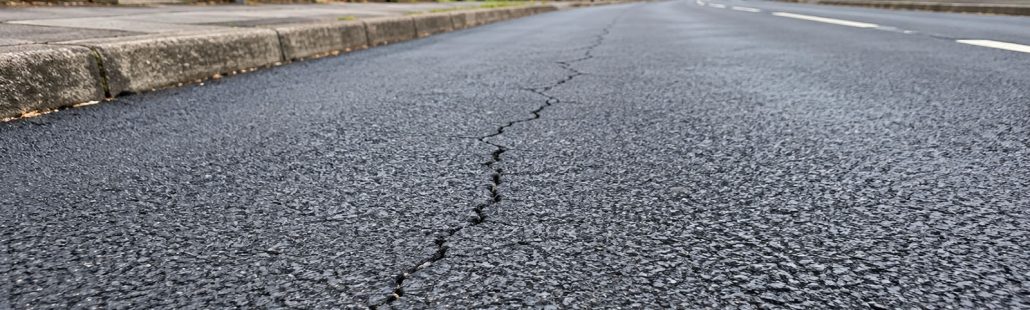
When a car park begins to look worn or cracked, resurfacing with new tarmac often feels like the obvious answer. A fresh black finish certainly improves appearance, but modern car parks require far more than a surface upgrade.
For commercial property owners and site managers, modern car park surfacing UK projects must account for drainage, traffic flow, structural depth, accessibility and long-term durability. Without addressing these factors, even newly laid tarmac can deteriorate prematurely.
Drainage Is Critical in the UK Climate
The UK’s frequent rainfall makes effective drainage non-negotiable. Poor surface grading or blocked gullies allow water to pool in parking bays and drive lanes. Over time, standing water weakens the sub-base and accelerates cracking.
Simply laying new asphalt over existing drainage issues does not resolve the underlying problem. Professional commercial surfacing includes assessing camber, falls and water management to ensure long-term performance.
Well-designed drainage not only protects the surface but also improves safety by reducing slip risks.
Structural Strength Beneath the Surface
Modern car parks experience heavier vehicles than ever before. Delivery vans, service vehicles and high turnover traffic place significant stress on the structure beneath the tarmac.
If the sub-base lacks sufficient depth or compaction, rutting and settlement will appear quickly. High-quality tarmac installation ensures appropriate thickness and load distribution suited to commercial use.
Investing in structural preparation prevents costly reconstruction later.
Clear Line Markings and Traffic Flow
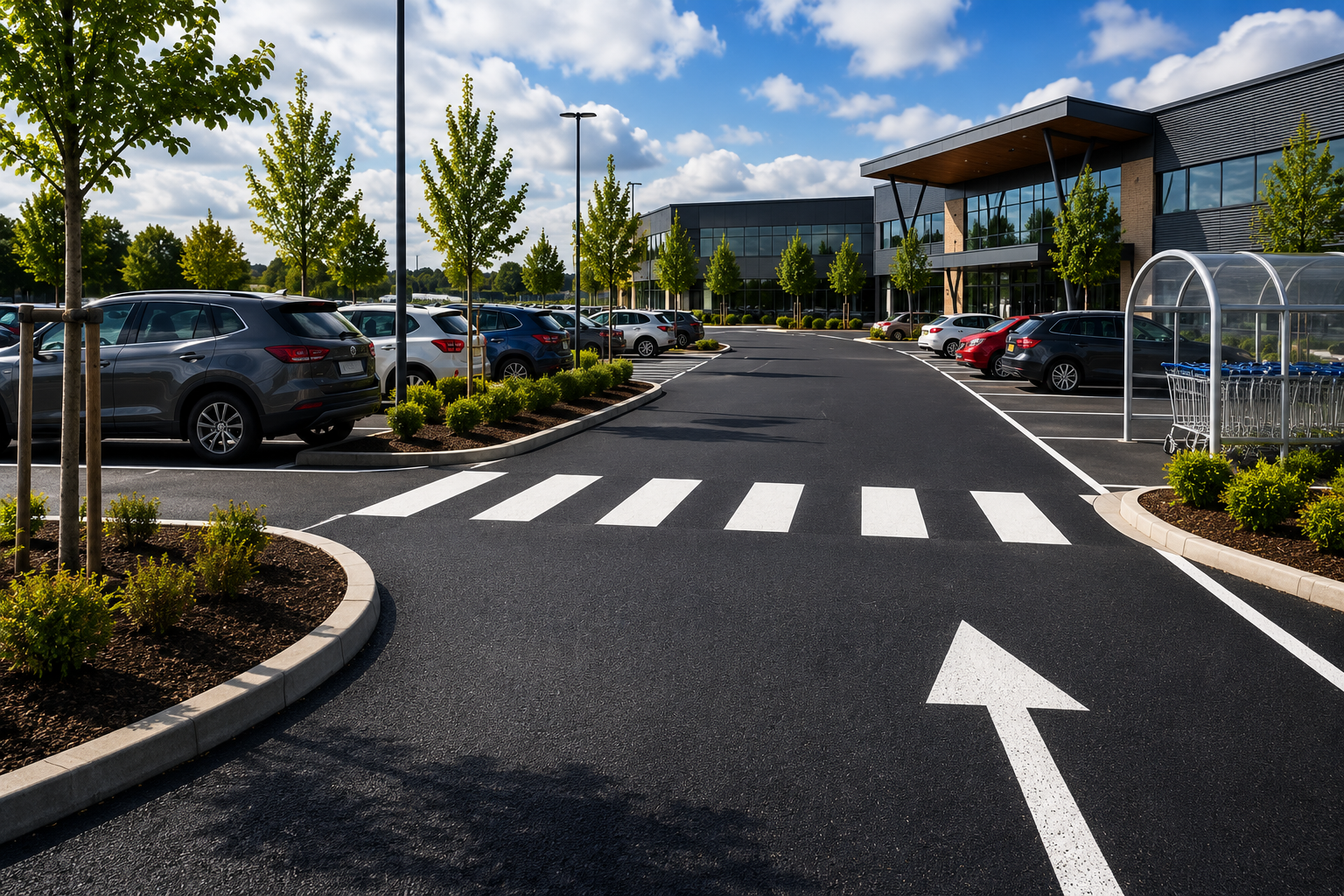
A modern car park must function efficiently as well as look presentable. Clear bay markings, directional arrows and pedestrian crossings reduce confusion and improve safety.
Faded or poorly planned markings create congestion and increase the risk of minor collisions. Surface preparation plays a key role in ensuring line markings adhere properly and remain visible.
An organised layout reflects professional site management and improves visitor experience.
Accessibility and Inclusive Design
Modern standards require accessible parking bays, smooth pedestrian routes and level transitions between surfaces. Uneven patches, sunken drains or cracked tarmac can create barriers for wheelchair users and those with mobility challenges.
Upgrading surfacing provides an opportunity to improve compliance with accessibility requirements and enhance overall usability.
Lighting and Surface Visibility
Surface quality affects how lighting interacts with the ground at night. Smooth, well-maintained tarmac improves visibility under artificial lighting, making markings and pedestrian zones easier to identify.
Uneven or broken surfaces create shadows and visual inconsistencies, reducing perceived safety after dark.
Managing Long-Term Maintenance
Modern car park surfacing UK strategies focus on lifecycle management rather than reactive repairs. Frequent patching often leads to inconsistent levels and weak joints.
While timely pothole repairs are essential for safety, repeated patchwork may indicate the need for a broader upgrade strategy.
Planning resurfacing with long-term durability in mind reduces future disruption and maintenance costs.
Environmental Considerations
Sustainable drainage systems and permeable surfacing options are increasingly relevant for modern developments. Managing runoff effectively helps reduce pressure on surrounding infrastructure and supports environmental compliance.
Integrating sustainability into car park design enhances resilience and future-proofs the site.
First Impressions Still Matter
A car park is often the first physical interaction customers or visitors have with a business. Smooth access, organised parking and a well-maintained surface contribute to a professional image.
Fresh tarmac may improve appearance temporarily, but without proper structural and drainage planning, the visual upgrade will not last.
Conclusion
Modern car parks require more than just fresh tarmac. Drainage, structural integrity, accessibility, traffic flow and long-term maintenance planning all play essential roles in performance and safety.
Modern car park surfacing UK projects should prioritise durable construction, effective water management and thoughtful design. By addressing more than just the surface layer, property owners can ensure their car parks remain safe, functional and professional for years to come.