

- admin
- No Comments
- June 22, 2026
The Benefits of Preventive Maintenance for Road Surfaces
Many road surface problems do not appear overnight. Cracks, minor depressions and drainage issues often develop gradually before becoming major defects. Unfortunately, road maintenance is frequently delayed until visible damage becomes impossible to ignore.
For commercial property owners and site managers, this reactive approach often leads to higher costs and greater disruption. Preventive road maintenance UK programmes focus on identifying and addressing issues early, helping to preserve road condition and extend asset lifespan.
Rather than waiting for failure, preventive maintenance keeps infrastructure performing as intended.
Small Defects Become Expensive Problems
A tiny crack may seem insignificant at first. However, even minor surface openings allow water to penetrate the road structure. Over time, moisture weakens the underlying layers and creates conditions for larger defects to develop.
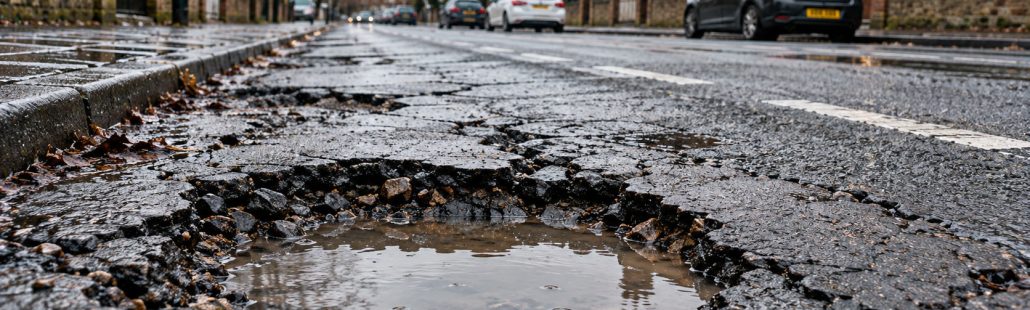
Once water reaches the sub-base, freeze-thaw cycles can accelerate deterioration dramatically. What started as a simple crack can eventually result in potholes, rutting or structural failure.
Regular inspections and prompt pothole repairs prevent small issues from escalating into major reconstruction projects.
Lower Long-Term Costs
One of the biggest benefits of preventive maintenance is cost control. Addressing defects while they are still minor is significantly less expensive than undertaking large-scale repairs after extensive deterioration has occurred.
Road reconstruction involves substantial material, labour and operational costs. By comparison, routine maintenance activities require smaller investments and can often be completed with minimal disruption.
For businesses managing multiple sites, preventive maintenance creates more predictable budgeting and reduces unexpected expenditure.
Extending Road Lifespan
Roads represent a long-term infrastructure asset. Like any asset, their lifespan depends on how well they are maintained.
Preventive maintenance helps preserve structural integrity by reducing the impact of water ingress, traffic stress and environmental wear. Surfaces that receive regular attention often last many years longer than those maintained reactively.
Professional commercial surfacing contractors frequently recommend maintenance schedules that maximise return on investment and delay the need for full resurfacing.
Improved Safety for Road Users
Surface defects create risks for both vehicles and pedestrians. Cracks, potholes and standing water can contribute to accidents, vehicle damage and trip hazards.
Preventive maintenance improves safety by identifying potential issues before they become significant hazards. Well-maintained surfaces also provide better drainage, reducing the likelihood of water accumulation and loss of traction during wet weather.
For commercial sites, maintaining safe access routes is essential for employees, visitors and delivery vehicles.
Reduced Operational Disruption
Major resurfacing or reconstruction projects can significantly disrupt business operations. Access restrictions, traffic management measures and temporary closures may affect productivity and customer experience.
Preventive maintenance allows work to be planned strategically and completed in smaller phases. This reduces operational disruption and ensures that roads remain functional throughout the maintenance process.
By acting early, businesses retain greater control over scheduling and project management.
Protecting Against Water Damage
Water is one of the most common causes of premature road deterioration in the UK. Effective preventive maintenance includes monitoring drainage systems, identifying areas of standing water and repairing surface defects before moisture penetrates the structure.
When combined with quality tarmac installation, proactive maintenance significantly reduces the likelihood of water-related structural damage.
Protecting against moisture ingress is one of the most effective ways to extend road lifespan.
Preserving Professional Appearance
The condition of roads, car parks and access routes influences how a site is perceived. Cracked surfaces, potholes and visible deterioration can create a poor first impression for customers, tenants and visitors.
Preventive maintenance helps maintain a clean, professional appearance while demonstrating a commitment to quality infrastructure management.
For commercial properties, presentation can be almost as important as functionality.
Supporting Long-Term Asset Management
The most successful property owners treat roads as assets rather than expenses. Preventive maintenance aligns with this approach by protecting infrastructure value and reducing whole-life costs.
Routine inspections, planned maintenance and timely repairs create a structured asset management strategy that supports long-term operational goals.
Rather than reacting to emergencies, businesses can make informed decisions based on road condition and projected maintenance needs.
Conclusion
Preventive road maintenance UK strategies offer significant benefits for commercial property owners and site managers. By addressing small issues before they develop into major failures, businesses can reduce costs, improve safety and extend road lifespan.
From protecting against water damage to minimising operational disruption, preventive maintenance delivers value far beyond the cost of routine repairs. Investing in proactive care today helps avoid expensive infrastructure problems tomorrow.