

- admin
- No Comments
- July 18, 2026
Anti-Slip Surfacing: Where Is It Most Needed?
Every day, thousands of people use commercial roads, car parks and pedestrian walkways without giving much thought to the surface beneath their feet or tyres. However, when grip is reduced by rain, ice, moss or heavy traffic, even a well-maintained property can become a safety risk.
Anti-slip surfacing has become an increasingly popular solution for businesses, schools, healthcare facilities and industrial sites looking to improve safety while reducing maintenance and liability concerns. The key is understanding where it provides the greatest benefit.
For many commercial properties, installing anti-slip surfacing in the right locations can significantly reduce accidents while extending the lifespan of critical access routes.
Entranceways and Building Approaches
The entrance to any commercial property experiences constant foot traffic throughout the day. Employees, customers, visitors and contractors all use these routes, making them one of the highest-risk areas during wet weather.
Rainwater carried in on footwear, combined with smooth paving or worn tarmac, can create slippery conditions that increase the risk of falls.
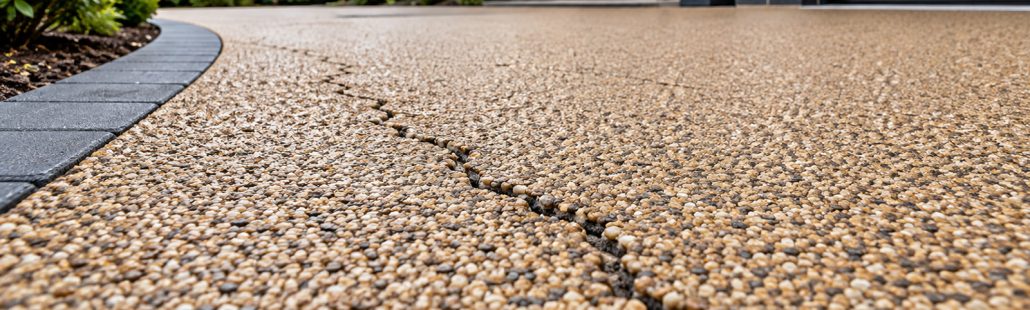
Professional resin bound surfacing provides excellent slip resistance while also creating an attractive entrance that enhances the appearance of the property.
Car Parks
Commercial car parks are subjected to constant vehicle movement, pedestrian activity and changing weather conditions.
Oil residue, standing water and worn surface texture can reduce tyre grip while also creating hazards for pedestrians walking between vehicles.
Anti-slip treatments are particularly valuable around pedestrian crossings, disabled parking bays and routes connecting parking areas to building entrances.
Regular inspections ensure that these high-use areas continue to provide adequate traction throughout the year.
Ramps and Sloping Roads
Inclined surfaces become significantly more hazardous during rainfall or frost.
Vehicle ramps in multi-storey car parks, delivery access roads and pedestrian inclines all benefit from increased surface grip. Anti-slip surfacing helps improve vehicle traction while also reducing the risk of slips for pedestrians.
Professional commercial surfacing solutions often incorporate high-friction materials specifically designed for steep gradients and heavily used ramps.
Loading Bays and Service Yards
Loading bays experience a combination of heavy vehicle traffic and constant pedestrian activity.
Forklift trucks, delivery drivers and warehouse staff all rely on stable, high-grip surfaces to carry out their work safely. Wet conditions can quickly reduce traction, particularly where diesel spills or surface contamination occur.
Installing anti-slip surfacing in these areas improves operational safety while reducing the likelihood of workplace accidents.
Schools and Educational Facilities
Schools require particularly safe walking environments for children, staff and parents.
Entrances, playground paths, drop-off zones and pedestrian crossings can become slippery during autumn and winter, especially where leaves, moss or algae accumulate.
Anti-slip surfacing provides additional reassurance by improving grip in areas where large numbers of people move throughout the day.
Healthcare Facilities
Hospitals, GP surgeries and care homes welcome people of all ages and mobility levels.
Patients using walking aids, wheelchairs or mobility scooters are particularly vulnerable to slippery surfaces.
Smooth, well-maintained anti-slip pathways improve accessibility while helping healthcare providers maintain safe environments for patients and visitors.
Industrial Estates
Industrial estates often combine heavy commercial vehicles with regular pedestrian movement.
Drivers braking near junctions, loading areas and security barriers generate wear that gradually reduces surface texture.
Professional tarmac installation using suitable high-friction materials can improve both vehicle control and pedestrian safety in these demanding environments.
Areas Affected by Moss and Algae
Shaded roads, pathways and car parks often develop moss and algae, particularly where drainage is poor.
These biological growths retain moisture and create an extremely slippery surface, especially after rainfall.
Removing moss and maintaining good drainage are important, but anti-slip surfacing provides an additional level of protection in locations where damp conditions persist.
Ongoing Maintenance Is Essential
Even the highest-quality anti-slip surface requires routine maintenance to remain effective.
Dirt, leaves and organic growth should be removed regularly to maintain grip levels. Small cracks should also be repaired promptly to prevent water entering the pavement structure.
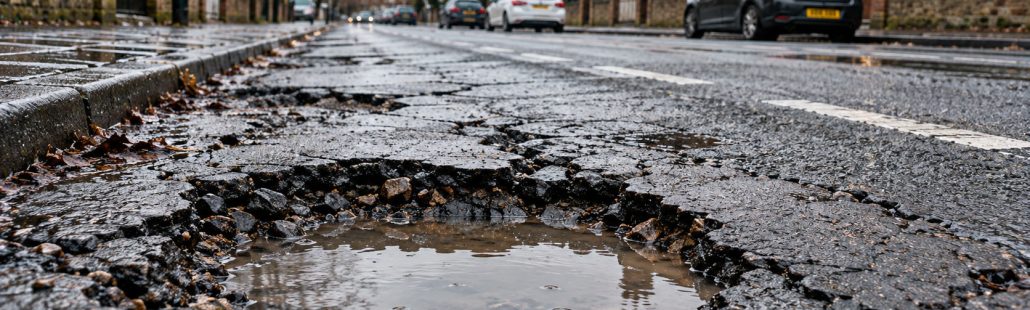
Timely pothole repairs help preserve both safety and structural integrity while preventing defects from becoming larger hazards.
Conclusion
Anti-slip surfacing is most valuable where people and vehicles are exposed to increased risk from wet weather, heavy traffic or changing ground conditions.
Entrances, ramps, car parks, loading bays, schools and healthcare facilities all benefit from improved grip and enhanced safety. By identifying high-risk locations and investing in suitable surfacing solutions, property owners can reduce accidents, improve accessibility and protect the long-term performance of their infrastructure.
When combined with regular maintenance and effective drainage, anti-slip surfacing provides lasting value for commercial properties across the UK.