
- admin
- No Comments
- May 24, 2026
The Hidden Damage Caused by Heavy Delivery Vans on Residential Roads
Online shopping, supermarket home deliveries and courier services have transformed daily life across the UK. Residential streets that were once designed primarily for cars now experience constant traffic from heavy delivery vans.
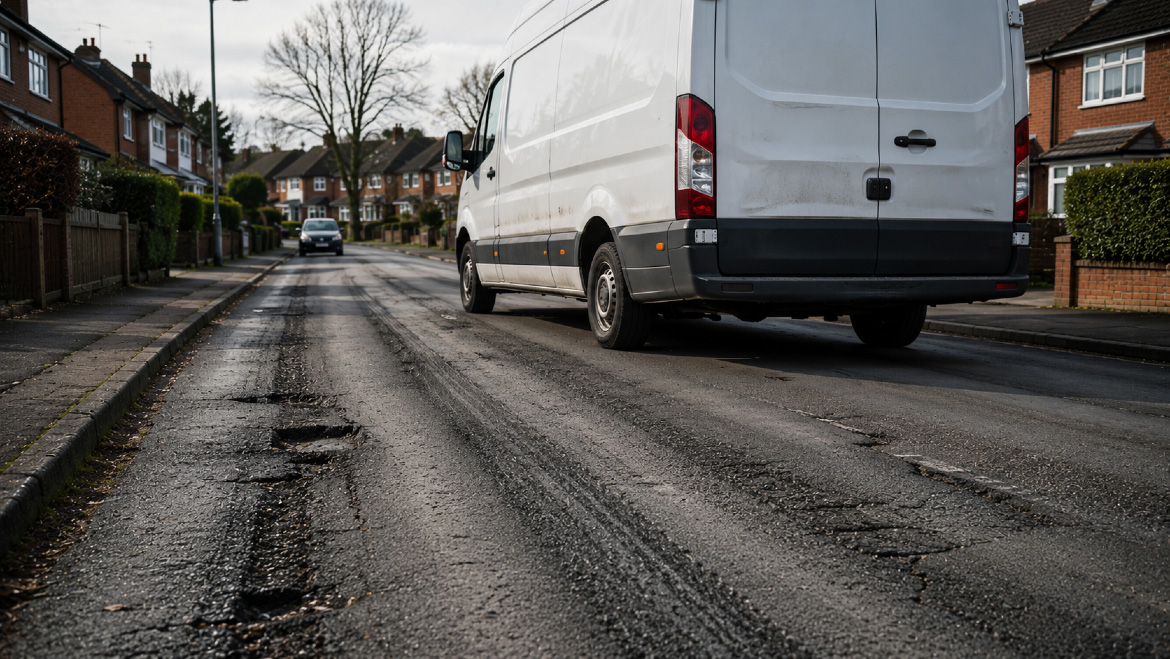
While the convenience is undeniable, heavy delivery vans road damage UK neighbourhood streets in ways that are not immediately obvious. Over time, repeated loading from these vehicles can significantly reduce road lifespan.
For property developers, housing associations and local councils, understanding this hidden impact is becoming increasingly important.
Residential Roads Were Not Built for Constant Heavy Loads
Most residential roads are constructed to accommodate private vehicles, light vans and occasional service vehicles. They are not typically designed for high-frequency heavy van traffic making multiple stops each day.
Delivery vans may not be as heavy as large goods vehicles, but their repeated presence creates cumulative stress. Each stop-start movement applies concentrated pressure to the surface and underlying sub-base.
Without adequate structural depth, residential roads begin to show signs of fatigue far sooner than expected.
Stop-Start Stress Causes Surface Fatigue
Unlike through-traffic, delivery vans frequently brake, turn and accelerate along short stretches of road. This creates torsional stress on the surface, particularly at junctions and in tight turning areas.
Over time, this repeated stress leads to:
- Surface cracking
- Rutting in wheel paths
- Localised settlement
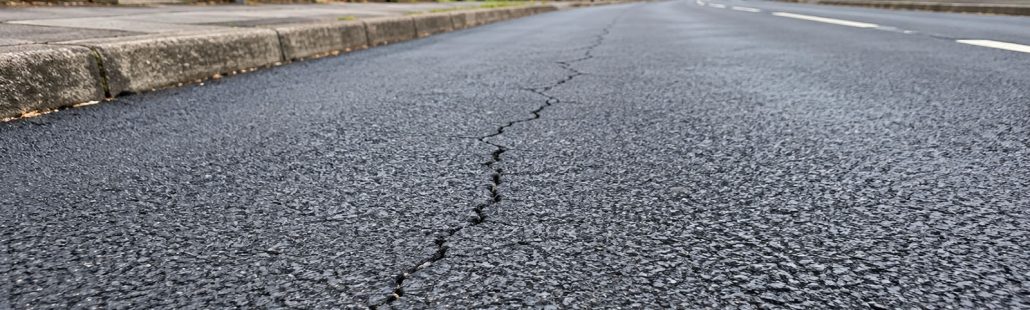
- Early pothole formation
Timely pothole repairs maintain safety, but recurring defects may indicate structural strain beneath the surface.
The Weight Distribution Problem
Delivery vans often carry significant loads, particularly grocery and parcel vehicles. When stationary during unloading, weight is concentrated on specific points rather than distributed evenly across the road.
This static loading places additional pressure on the asphalt and sub-base, especially during warmer weather when tarmac becomes more flexible.
Repeated loading in the same locations can weaken structural layers and accelerate deformation.
Water Ingress and Accelerated Deterioration
As cracks begin to form due to heavy traffic stress, water penetration becomes a serious issue. The UK climate, with frequent rainfall and freeze-thaw cycles, compounds the problem.
Water weakens the sub-base and increases the likelihood of potholes forming. Once deterioration begins, it tends to accelerate.
Professional commercial surfacing techniques applied during upgrades can strengthen vulnerable residential access roads experiencing increased delivery traffic.
The Impact on Housing Developments
New housing developments are particularly vulnerable. Roads may initially appear robust, but if traffic levels exceed original design assumptions, premature wear can occur.
Developers and managing agents should consider long-term traffic patterns when planning maintenance cycles.
Strengthening works or enhanced tarmac installation specifications may be necessary to support modern usage levels.
Increased Maintenance Costs for Councils
For local authorities, the rise in heavy van traffic has contributed to growing maintenance pressures. Roads that might previously have required resurfacing every 15 to 20 years may now deteriorate much sooner.
Reactive patching increases over time, placing strain on limited maintenance budgets.
What Can Be Done?
While delivery traffic cannot realistically be reduced, infrastructure planning can adapt. Options include:
- Strengthening vulnerable junctions
- Improving drainage
- Increasing surface thickness during resurfacing
- Implementing preventative maintenance strategies
Proactive planning is more cost-effective than repeatedly addressing widespread defects.
Long-Term Planning for Modern Traffic Patterns
The hidden damage caused by heavy delivery vans is not the result of poor construction alone. It reflects changing usage patterns.
Residential streets now function differently than they did two decades ago. Road specifications and maintenance strategies must evolve accordingly.
Conclusion
Heavy delivery vans road damage UK residential streets through repeated weight stress, stop-start movement and concentrated loading. While the effects may not be immediate, long-term deterioration is inevitable without proactive management.
For councils, developers and property managers, recognising this hidden impact allows for smarter planning and more durable surfacing solutions. Adapting road design to modern traffic demands is essential to protecting infrastructure in the years ahead.