
- admin
- No Comments
- July 4, 2026
The Road Surface That Could Be Banned in the Future?
Road surfacing has relied on asphalt and bitumen for decades because of their durability, flexibility and cost-effectiveness. They have become the standard choice for everything from residential streets to major commercial developments.
However, growing pressure to reduce carbon emissions, improve sustainability and support environmental targets has led many people to ask an interesting question: could some traditional road surfacing materials eventually be restricted or even banned?
At present, there are no plans in the UK to ban conventional asphalt. However, changing regulations, environmental policies and advances in technology are already influencing how roads are designed and constructed.
Why Road Surfacing Is Under Environmental Scrutiny
Construction remains one of the largest contributors to carbon emissions worldwide, and road surfacing plays a role in that impact. Producing asphalt requires heating aggregates and bitumen to high temperatures, a process that consumes significant amounts of energy.
In addition, bitumen is derived from crude oil, making it a non-renewable material. As governments continue working towards net-zero carbon targets, industries across the construction sector are exploring ways to reduce reliance on high-emission materials.
Rather than banning asphalt altogether, the focus is increasingly shifting towards making traditional surfacing more sustainable.
The Rise of Recycled Asphalt
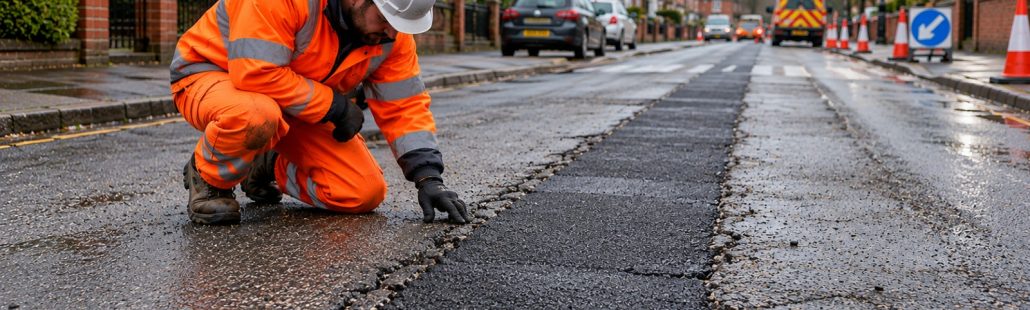
One of the biggest developments in recent years has been the increased use of recycled asphalt pavement. Instead of disposing of old road materials, contractors can mill existing surfaces, process the reclaimed material and incorporate it into new asphalt mixes.
Professional commercial surfacing projects increasingly use recycled content where appropriate, reducing waste while conserving natural resources.
Modern recycled asphalt can deliver performance comparable to conventional materials when properly designed and installed.
Warm Mix Asphalt Is Changing the Industry
Traditional hot mix asphalt requires high production temperatures. Warm mix asphalt technologies allow materials to be manufactured and laid at significantly lower temperatures.
Reducing production temperatures lowers fuel consumption, decreases greenhouse gas emissions and improves working conditions on site.
As environmental standards continue to evolve, technologies such as warm mix asphalt are expected to become increasingly common across UK infrastructure projects.
Sustainable Drainage Is Becoming More Important
Environmental policy is not only influencing materials but also how roads manage rainwater.
Permeable surfaces, improved drainage systems and sustainable urban drainage solutions are becoming more common in commercial developments.
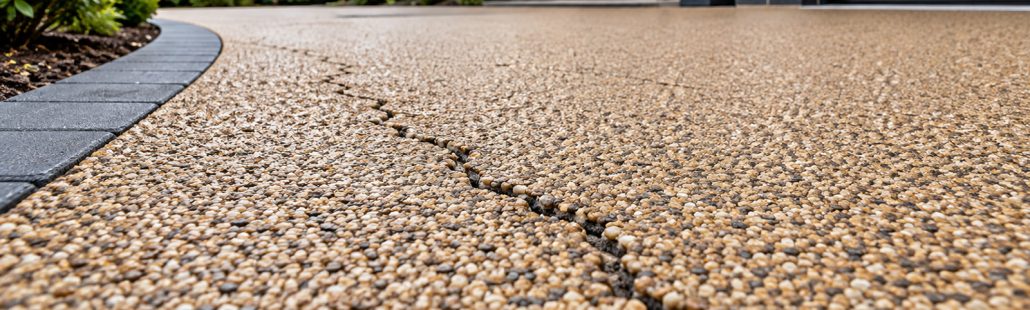
For some projects, decorative resin bound surfacing provides a permeable alternative for pedestrian areas, pathways and light-traffic environments, helping reduce surface water runoff.
While not suitable for every application, these systems demonstrate how environmental priorities are shaping future surfacing choices.
Could Asphalt Ever Be Replaced?
Despite advances in alternative materials, asphalt remains one of the most practical surfacing solutions available.
It offers excellent durability, relatively low construction costs and straightforward maintenance. It is also highly recyclable, with reclaimed asphalt already widely reused throughout the UK.
Rather than disappearing, asphalt is more likely to evolve through cleaner production methods, recycled content and improved material technology.
Regulations Are Likely to Focus on Carbon, Not Materials
Future legislation is expected to target carbon emissions rather than banning specific surfacing materials outright.
Contractors may increasingly need to demonstrate sustainable sourcing, lower embodied carbon and responsible recycling practices as part of procurement requirements.
Professional tarmac installation is already adapting to these expectations through more efficient production methods and environmentally responsible construction practices.
What Property Owners Should Expect
Commercial property owners are unlikely to be required to replace existing asphalt roads simply because environmental policies change.
Instead, future resurfacing projects may involve greater use of recycled materials, lower-carbon asphalt mixes and improved drainage solutions.
Businesses investing in long-term infrastructure today should work with contractors who understand evolving sustainability standards and can recommend materials that balance durability with environmental responsibility.
Maintenance Will Still Matter Most
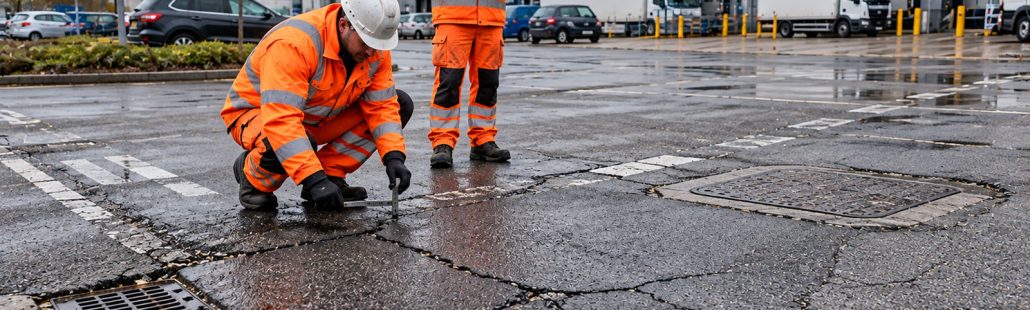
Regardless of which materials dominate future road construction, maintenance will remain essential.
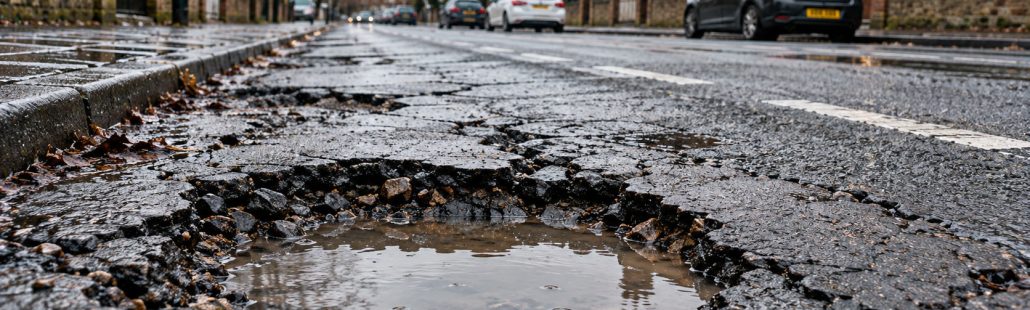
Even the most environmentally friendly surface will deteriorate if cracks are ignored, drainage systems become blocked or defects are allowed to develop.
Routine inspections and timely pothole repairs will continue to play a vital role in extending road lifespan and reducing the environmental impact associated with premature reconstruction.
Conclusion
Traditional asphalt is unlikely to disappear anytime soon, but the way roads are built is undoubtedly changing. Environmental targets, carbon reduction initiatives and advances in material technology are driving the development of more sustainable road surfacing solutions.
Rather than asking whether asphalt will be banned, a more relevant question is how it will continue to evolve. By embracing recycled materials, lower-carbon production methods and smarter maintenance strategies, the UK road surfacing industry is already moving towards a more sustainable future without compromising performance.