
- admin
- No Comments
- February 21, 2026
Sustainable Road Surfacing Options in the UK
Sustainability is no longer a secondary consideration in construction and infrastructure projects. For UK property owners and commercial site managers, environmental responsibility increasingly sits alongside cost control and durability when planning road works. Sustainable road surfacing UK solutions aim to reduce environmental impact without compromising performance, safety or lifespan.
Road construction and maintenance traditionally rely on energy-intensive materials and processes. Asphalt production, aggregate extraction and transportation all contribute to carbon emissions. However, advances in materials, recycling methods and construction techniques now allow roads to be built and maintained in a more environmentally responsible way.
What Sustainable Road Surfacing Means in Practice
Sustainable road surfacing UK does not simply mean using different materials. It involves a broader approach that considers the entire lifecycle of a road, from design and installation to maintenance and eventual replacement. The goal is to reduce waste, lower emissions and extend service life so that fewer resources are consumed over time.
This approach often includes using recycled materials, improving drainage to prevent premature failure and designing roads that require less frequent intervention. By thinking long term, property owners can achieve both environmental and financial benefits.
The Role of Recycled Asphalt in Sustainable Surfacing
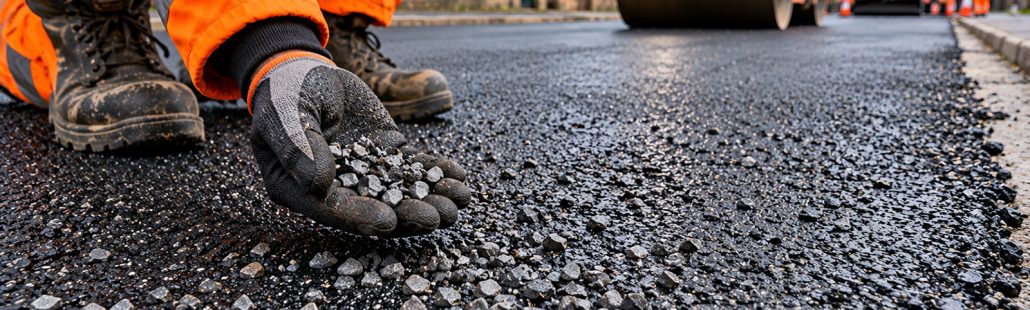
One of the most significant developments in sustainable road construction is the use of recycled asphalt. Reclaimed asphalt pavement can be processed and incorporated into new mixes, reducing the need for virgin aggregates and bitumen. This lowers the demand for quarrying and decreases transportation-related emissions.
Modern production methods ensure that recycled content does not compromise strength or durability. When properly designed and installed, recycled asphalt performs to the same standards as traditional mixes while delivering measurable environmental advantages.
Professional tarmac installation using responsibly sourced or recycled materials allows sites to improve sustainability without sacrificing quality.
Reducing Waste Through Surface Preservation
Extending the life of existing roads is one of the most effective ways to improve sustainability. Preventative maintenance reduces the need for full reconstruction, which consumes significantly more material and energy. Surface treatments applied at the right time can protect underlying layers and delay major works.
Planned maintenance programmes minimise waste by addressing issues early rather than waiting for structural failure. This approach reduces the volume of removed material and limits disruption to site operations.
Improving Drainage to Protect Road Structure
Water is one of the primary causes of road deterioration. Poor drainage allows moisture to penetrate the structure, leading to cracking, potholes and base failure. Sustainable road surfacing UK strategies prioritise effective drainage to protect structural integrity.
By ensuring water is directed away from the surface and underlying layers, roads last longer and require fewer repairs. Reduced maintenance frequency lowers material consumption and decreases emissions associated with repeated works.
Drainage improvements are often integrated into wider commercial surfacing projects, particularly on sites where heavy use accelerates wear.
Designing for Longevity Rather Than Short-Term Savings
True sustainability is closely linked to durability. Roads that fail prematurely require reconstruction, increasing material use and environmental impact. Designing roads to cope with actual traffic loads ensures they perform reliably over their intended lifespan.
This may involve thicker construction layers, reinforced high-stress areas or upgraded sub-base materials. Although this can increase initial cost, it significantly reduces long-term environmental and financial impact by avoiding repeated intervention.
Permeable and Alternative Surface Options
In some environments, permeable surfacing options provide environmental benefits by allowing water to drain naturally into the ground. This reduces surface water runoff and helps manage localised flooding risk. While not suitable for all high-traffic commercial roads, permeable systems can be appropriate for certain car parks and lightly used areas.
Resin-bound surfaces are sometimes selected for their permeability and aesthetic qualities. Professional resin bound surfacing can offer a durable and visually appealing option where traffic levels and load requirements allow.
Selecting the right surface type depends on site usage, load expectations and drainage requirements.
Lower-Temperature Asphalt Technologies
Advances in asphalt production have introduced lower-temperature mixes that require less energy during manufacture and installation. These technologies reduce fuel consumption and associated emissions while maintaining performance standards.
Lower-temperature installation can also improve working conditions and allow extended working seasons in certain circumstances. As these technologies continue to develop, they are likely to play a growing role in sustainable road surfacing UK projects.
Sustainable Procurement and Responsible Sourcing
Sustainability also extends to procurement and supply chain management. Choosing contractors who prioritise responsible sourcing of aggregates and materials contributes to reduced environmental impact. Local sourcing minimises transportation distances, further lowering emissions.
Working with experienced contractors ensures that sustainable practices are integrated throughout the project rather than treated as an afterthought. Professional planning and execution are key to achieving measurable environmental benefits.
Balancing Environmental Goals With Practical Performance
While sustainability is important, it must never compromise safety or structural integrity. Roads must still meet load requirements, withstand weather conditions and provide reliable access. Sustainable road surfacing UK solutions succeed when environmental improvements are achieved alongside robust performance.
A careful balance between innovation and proven construction methods ensures that sustainability enhances rather than undermines road quality.
The Business Case for Sustainable Road Surfacing
For commercial sites, sustainability is increasingly linked to reputation and compliance. Demonstrating environmentally responsible infrastructure improvements supports broader environmental policies and corporate responsibility goals.
There are also financial benefits. Roads that last longer and require fewer repairs reduce long-term maintenance expenditure. Lower waste volumes and efficient construction processes contribute to cost control while improving environmental outcomes.
Making Informed Decisions About Sustainable Surfacing
Choosing sustainable road surfacing UK solutions requires informed assessment of site conditions, traffic demands and long-term objectives. Professional evaluation helps determine which methods provide genuine environmental benefits without introducing unnecessary risk.
By focusing on durability, responsible material use and preventative maintenance, property owners and site managers can reduce environmental impact while maintaining reliable, high-performing access roads.
Sustainable road surfacing is not a single product but an approach to construction and maintenance that considers the full lifecycle of a road. When implemented correctly, it delivers practical performance, financial efficiency and measurable environmental improvement.