
- Minisgreat
- No Comments
- July 24, 2026
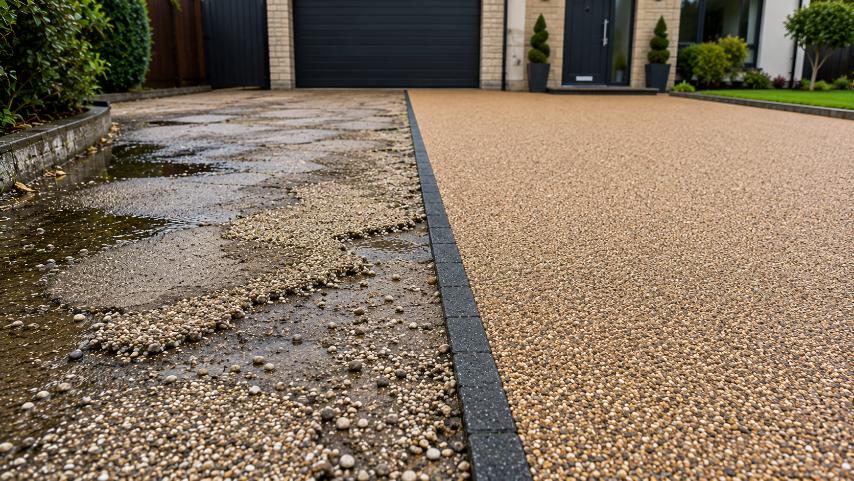
The Biggest Mistakes People Make with Resin Driveways
Resin bound driveways have become one of the most popular surfacing choices for UK homeowners. Their smooth finish, attractive appearance and permeability make them an excellent alternative to traditional concrete, block paving or standard tarmac. When installed correctly, a resin driveway can provide many years of reliable performance while enhancing the overall appearance of a property.
However, many of the problems associated with resin driveways are not caused by the material itself. Instead, they result from poor planning, incorrect installation techniques or inadequate maintenance. Small mistakes made during installation can lead to cracking, discolouration, loose stones or premature failure, often resulting in expensive remedial work.
Understanding the most common resin driveway mistakes UK homeowners make can help ensure your investment delivers the long-lasting performance you expect.
Choosing the Wrong Type of Resin
One of the biggest mistakes is assuming that all resin systems are the same.
There are two main types of resin surfacing used in the UK: resin bound and resin bonded. Although their names sound similar, they are very different products.
Resin bound surfacing mixes the aggregate with the resin before it is laid, creating a smooth, permeable finish that allows rainwater to drain naturally through the surface.
Resin bonded surfacing applies resin first before loose aggregate is scattered over the top, producing a textured finish that is generally non-permeable and more suited to specialist applications.
Homeowners who do not understand the difference may choose a surface that does not meet their expectations or drainage requirements.
Professional installers offering resin bound surfacing will explain the advantages of each system before work begins.
Ignoring the Existing Base
Many people assume resin can simply be laid over any existing driveway.
In reality, the condition of the base is one of the most important factors affecting the lifespan of the finished surface.
If the underlying asphalt or concrete has structural cracks, movement or significant deterioration, these defects may eventually reflect through the new resin layer.
A thorough inspection should always be carried out before installation to determine whether repairs or full reconstruction are necessary.
Installing resin onto an unstable foundation may save money initially but often results in much higher repair costs later.
Choosing Price Over Quality
Low quotations can be attractive, particularly when several contractors appear to be offering similar services.
However, significant price differences often reflect differences in preparation, materials or workmanship.
Lower-quality resin systems may contain cheaper components that discolour more quickly under ultraviolet light or become brittle over time.
Similarly, insufficient resin content can reduce the strength of the finished surface, leading to loose aggregate and premature wear.
Selecting an experienced contractor with a proven track record usually delivers better long-term value than simply accepting the lowest quotation.
Poor Drainage Planning
Although resin bound surfaces are permeable, they still require good overall drainage design.
If surrounding areas direct excessive water onto the driveway, or if drainage channels become blocked, water can still accumulate around the edges or beneath the surface.
Persistent standing water may weaken adjacent structures and contribute to long-term deterioration.
Professional installation should always consider gradients, existing drainage systems and water flow across the entire property rather than focusing solely on the driveway itself.
Failing to Prepare the Surface Properly
Preparation is critical to achieving a durable resin driveway.
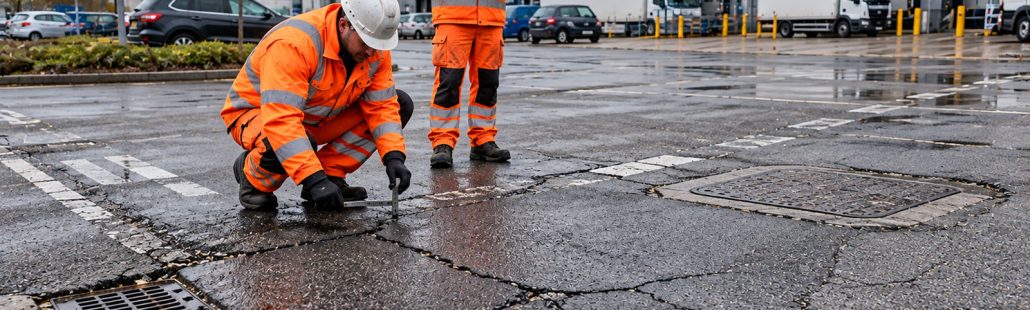
The existing surface must be clean, stable and free from contamination before installation begins. Oil stains, loose debris and moisture can all reduce adhesion between the resin and the substrate.
Temperature and weather conditions also influence installation quality. Resin should only be laid within suitable environmental conditions to ensure proper curing and bonding.
Attempting to install resin during unsuitable weather increases the likelihood of defects developing later.
Neglecting Routine Maintenance
One of the biggest misconceptions is that resin driveways require no maintenance.
While they are generally lower maintenance than many alternative surfaces, regular care still plays an important role in preserving their appearance and performance.
Leaves, soil and organic debris should be removed periodically to prevent moss and algae from developing.
Occasional gentle cleaning helps maintain the driveway’s appearance while allowing its porous structure to function effectively.
Simple maintenance carried out throughout the year can significantly extend the surface’s lifespan.
Allowing Weeds to Develop
Although resin bound surfaces are highly resistant to weed growth, airborne seeds can still germinate in accumulated dirt or organic matter resting on the surface.
These weeds do not usually grow through the resin itself but instead establish within surface debris.
Routine sweeping and occasional washing remove the material that supports weed growth, keeping the driveway looking clean and reducing maintenance requirements.
Using Heavy Vehicles on Domestic Driveways
Most residential resin driveways are designed for normal domestic vehicle traffic.
Regular use by heavy commercial vehicles, skips or construction equipment may exceed the original design specification, placing excessive stress on the surface and underlying structure.
Where heavier loading is anticipated, the driveway should be designed accordingly from the outset to ensure adequate structural capacity.
Proper planning prevents unnecessary damage and extends the service life of the installation.
Delaying Minor Repairs
Small areas of damage are much easier and less expensive to repair than widespread deterioration.
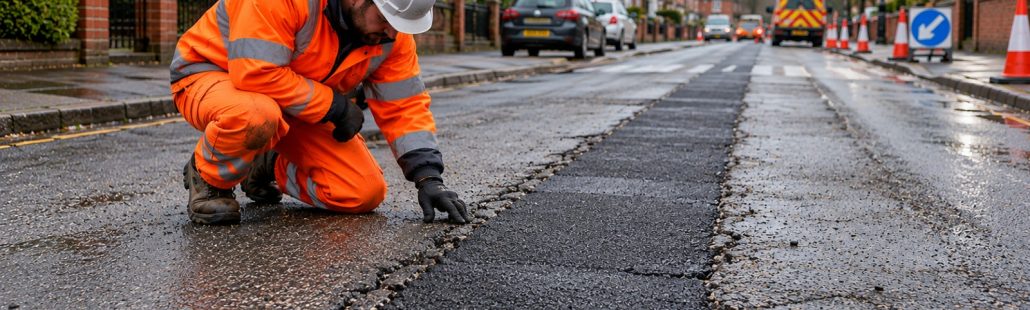
Minor cracks, edge damage or isolated loose aggregate should be inspected promptly before water enters the underlying structure.
Early intervention helps prevent more extensive repairs while maintaining the driveway’s appearance and structural integrity.
As with any paved surface, preventative maintenance is considerably more cost-effective than waiting until major defects develop.
Selecting the Right Contractor Matters
Even premium-quality materials cannot compensate for poor workmanship.
Experienced installers understand how weather conditions, mixing ratios, curing times and substrate preparation influence the finished result.
Professional contractors also ensure appropriate edging, drainage and expansion considerations are incorporated into the installation, reducing the likelihood of future movement or cracking.
For homeowners considering wider property improvements, experienced specialists offering tarmac installation and commercial surfacing often apply the same attention to groundwork and construction standards across all surfacing projects.
Conclusion
Resin bound driveways offer an attractive, durable and practical solution for many UK properties, but their long-term success depends on making informed decisions before installation begins.
Choosing the correct resin system, ensuring the base is structurally sound, investing in quality workmanship and carrying out routine maintenance all contribute to a surface that performs well for many years. By avoiding the most common resin driveway mistakes UK homeowners make, property owners can protect their investment, minimise future repair costs and enjoy a driveway that remains both functional and visually appealing.