
- Minisgreat
- No Comments
- July 26, 2026
Just Had New Tarmac Laid? Here’s Why It Doesn’t All Look the Same
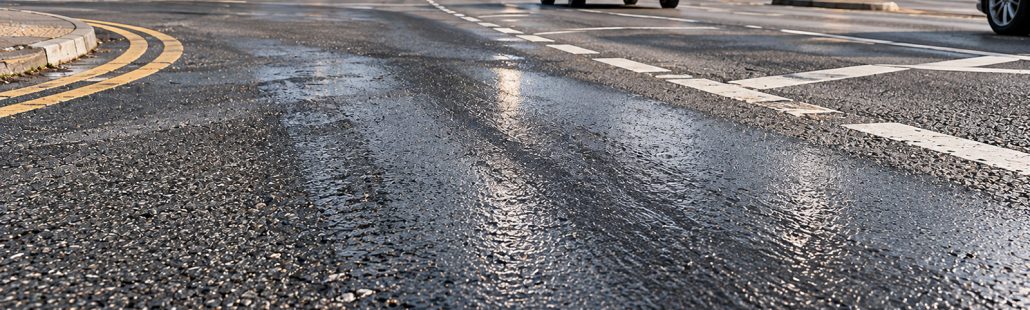
Many property owners expect a freshly laid tarmac surface to have a perfectly uniform appearance from edge to edge. After investing in a new driveway, access road or commercial car park, it can be surprising to notice slight differences in colour, texture or finish immediately after the work has been completed.
In most cases, these variations are entirely normal and do not indicate poor workmanship or inferior materials. Freshly laid tarmac undergoes several natural changes as it cools, cures and is exposed to traffic and weather. Understanding why new tarmac colour variation UK occurs can help property owners distinguish between normal characteristics and genuine defects that may require attention.
Fresh Tarmac Continues to Change After Installation
Although a new tarmac surface appears finished once the rollers leave site, the material continues to settle and stabilise over time.
Tarmac is installed at high temperatures, allowing it to be spread, levelled and compacted before cooling into a durable surface. As the material cools, the bitumen binder hardens and the aggregates become more firmly locked together.
This natural curing process means the appearance of the surface can evolve during the first few weeks following installation.
Minor variations seen immediately after laying often become much less noticeable as the surface weathers naturally.
Different Loads of Material Can Vary Slightly
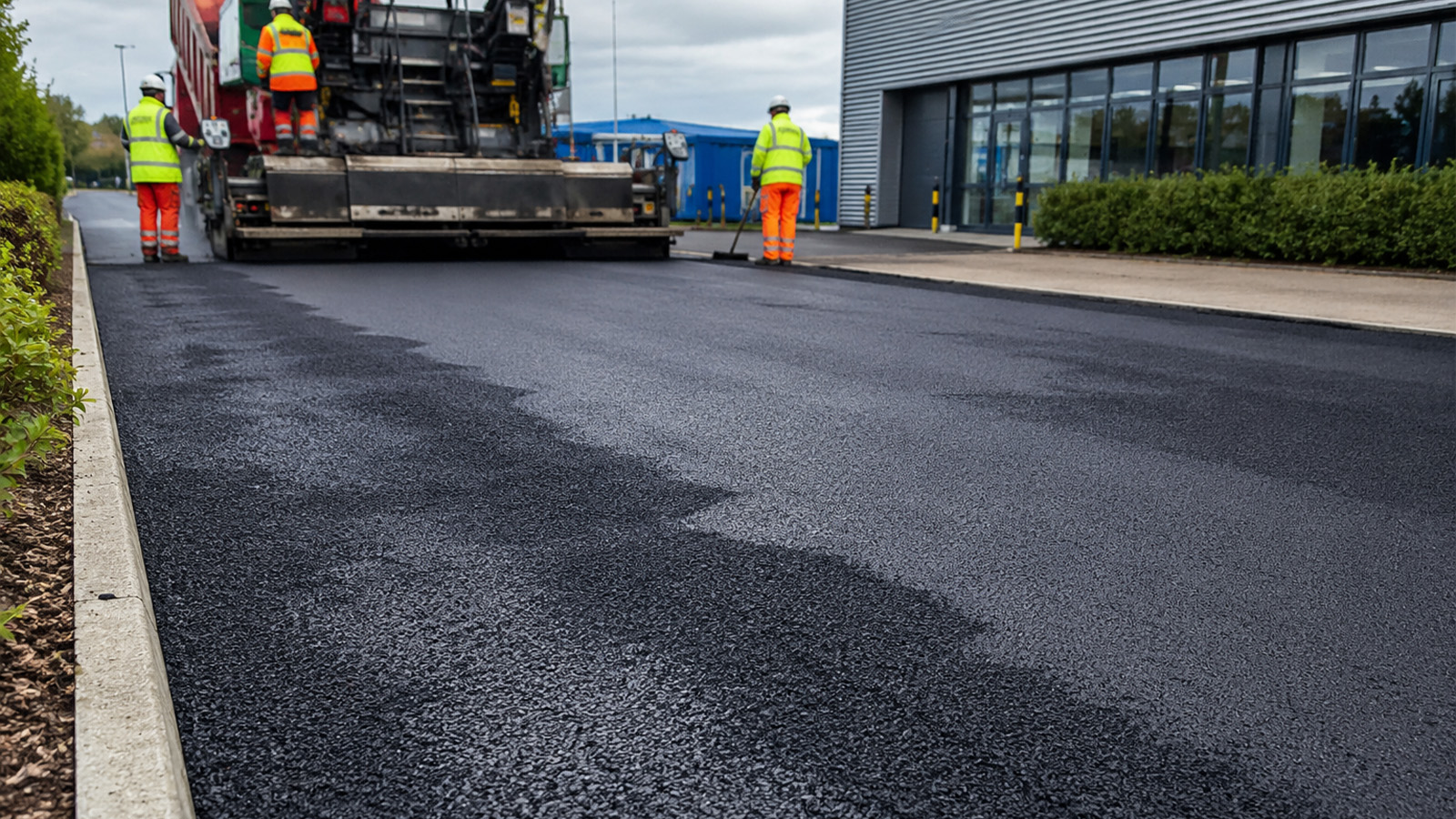
Large surfacing projects frequently require several loads of tarmac delivered from the asphalt plant.
Although every batch is produced to strict specifications, slight differences in aggregate colour, bitumen content or production temperature can create subtle visual changes between loads.
Experienced contractors carefully blend these deliveries during installation to minimise noticeable transitions, but under certain lighting conditions small variations may still be visible.
These differences are cosmetic and rarely affect the structural performance of the finished road.
Professional machine lay tarmac helps achieve a consistent finish by ensuring materials are laid continuously wherever possible.
Roller Patterns May Be Visible Initially
Immediately after installation, some surfaces display faint roller marks or changes in texture.
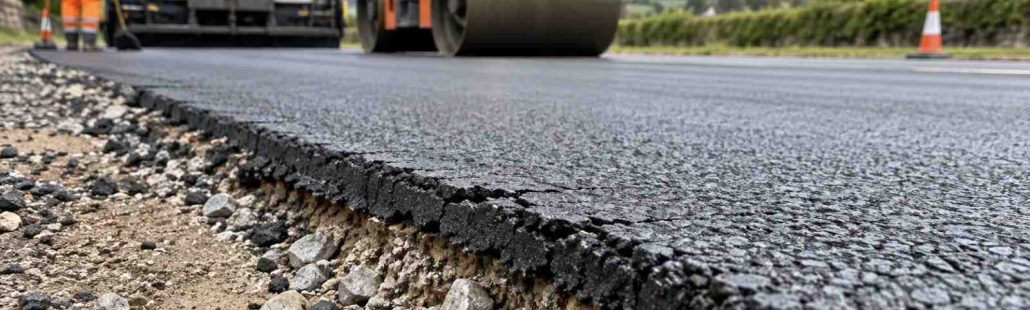
These occur as heavy compaction equipment passes repeatedly across the hot asphalt to achieve the required density.
Under certain angles of sunlight, these patterns can appear more obvious during the first few days after laying.
As traffic uses the road and the surface begins to weather, these marks generally blend into the surrounding finish and become difficult to distinguish.
Temperature Influences Appearance
Tarmac cools at different rates depending on weather conditions, shade and wind exposure.
Sections exposed to direct sunlight may cool differently from areas beneath trees or adjacent to buildings.
These small differences can temporarily influence the appearance of the bitumen binder, making some areas seem darker or lighter than others.
Once the surface has fully stabilised, these variations usually become far less apparent.
Fresh Bitumen Naturally Appears Darker
One of the most noticeable characteristics of new tarmac is its deep black appearance.
Fresh bitumen coats the aggregate particles, giving the road a rich, dark finish immediately after installation.
As the surface ages, ultraviolet light, rainfall and everyday traffic gradually wear away the thin film of bitumen from the aggregate surface.
This exposes more of the natural stone beneath, producing the familiar grey appearance seen on older roads.
This gradual colour change is completely normal and should be expected.
Aggregate Distribution Can Affect Texture
Tarmac contains a carefully graded mixture of stone sizes designed to provide strength and durability.
As the material is laid and compacted, individual aggregate particles may become visible in different areas, particularly where larger stones sit close to the surface.
This can create slight texture differences that are especially noticeable before the road has been exposed to normal traffic.
These variations are part of the material’s natural composition rather than evidence of poor installation.
Weather Conditions During Installation Matter
British weather can influence the appearance of newly laid tarmac.
Cool temperatures, light rain following installation or varying humidity levels may affect how quickly the surface cools and cures.
Professional contractors carefully monitor weather forecasts to ensure installation takes place under suitable conditions.
Experienced teams carrying out tarmac installation understand how environmental conditions influence both the quality and appearance of the finished surface.
Traffic Helps the Surface Mature
Many people assume that a brand-new road should remain exactly as it appears on the day it is laid.
In reality, light traffic helps the surface settle naturally.
Vehicle tyres gently polish the upper aggregate while weather gradually removes surface oils, creating a more consistent appearance across the entire pavement.
After several months of normal use, most minor colour differences become almost impossible to identify.
When Appearance May Indicate a Problem
Although most colour variation is perfectly normal, certain signs should be investigated by the contractor.
Persistent soft areas, depressions, loose aggregate, surface cracking, standing water or obvious segregation of materials may indicate issues that require attention.
Similarly, if one section remains noticeably different long after the surrounding surface has weathered, it is sensible to request an inspection.
Reputable contractors will assess the surface and determine whether any remedial work is necessary.
Quality Installation Makes the Difference
Achieving a durable and attractive tarmac surface depends on far more than appearance alone.
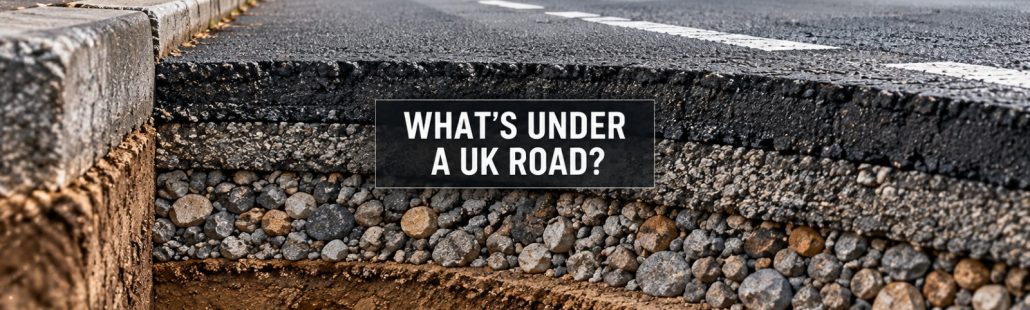
Proper ground preparation, correct material selection, consistent compaction and effective drainage all contribute to long-term performance.
Experienced contractors delivering commercial surfacing focus on structural quality first, knowing that minor cosmetic variations often disappear naturally as the surface matures.
A well-constructed road will continue performing effectively for many years, even if it displays slight colour differences immediately after installation.
Conclusion
Seeing slight differences in colour or texture across newly laid tarmac can initially cause concern, but in most cases these changes are entirely normal. Factors such as cooling rates, aggregate distribution, material batches, weather conditions and the natural curing process all contribute to new tarmac colour variation UK property owners commonly notice.
Rather than indicating poor workmanship, these subtle differences are usually part of the normal behaviour of asphalt as it settles into service. By choosing experienced contractors, allowing the surface adequate time to cure and understanding how tarmac naturally evolves, property owners can enjoy a durable, attractive surface that develops a more uniform appearance over time.