
- Minisgreat
- No Comments
- October 20, 2026
How Does Aggregate Size Affect the Performance of Tarmac?
When most people look at a newly surfaced road, driveway or commercial yard, they see a relatively uniform black surface.
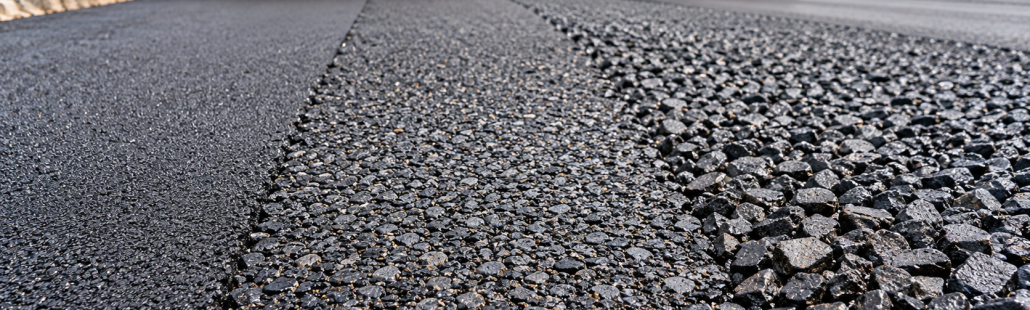
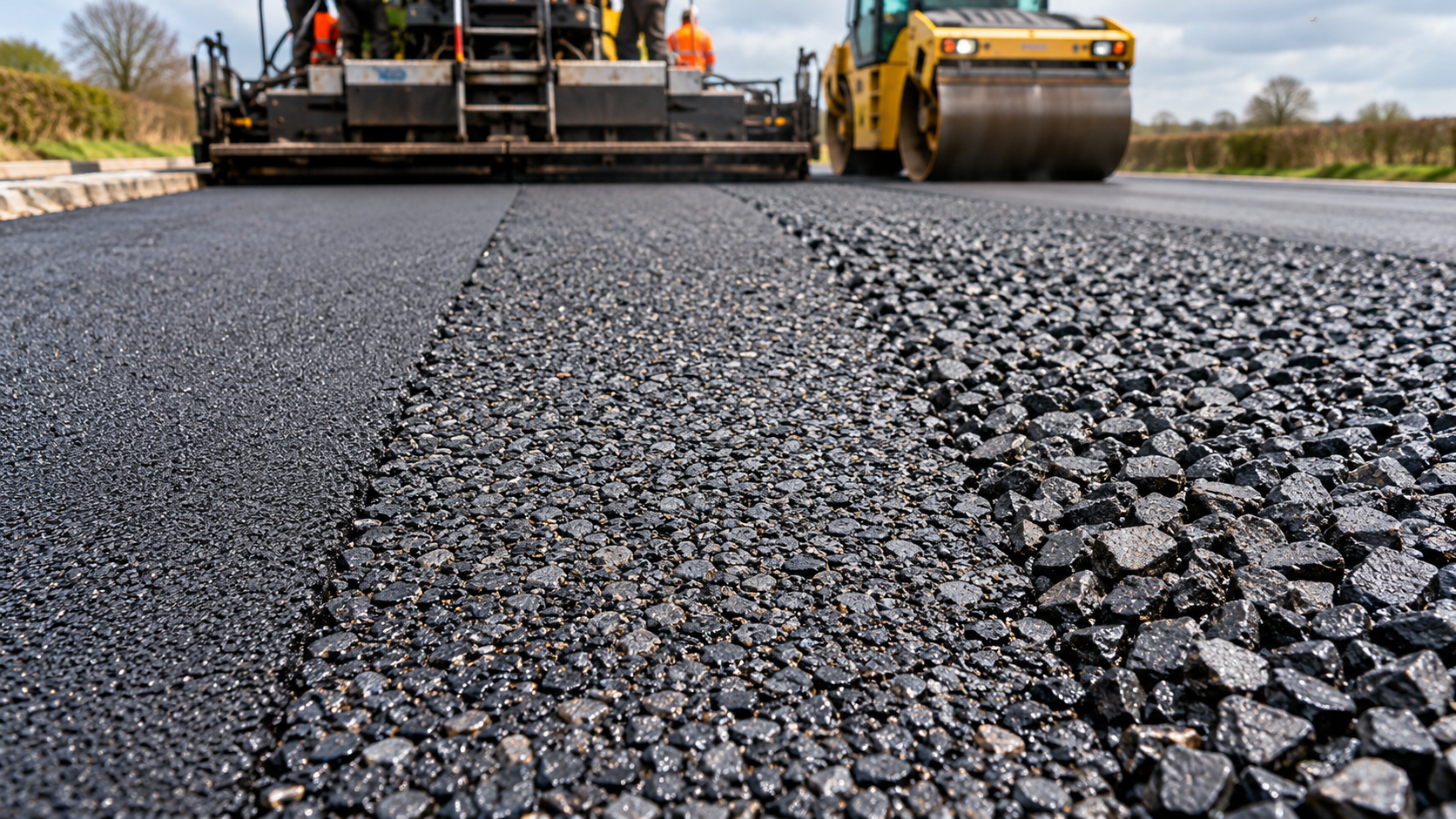
Look more closely, however, and you will notice that the asphalt contains thousands of individual stones of different sizes.
These stones are known as aggregate, and they play a fundamental role in determining how the finished surface performs.
Aggregate is not simply added to asphalt to provide bulk. Its size, shape, grading and physical properties influence the structure of the mixture, how it compacts, its surface texture and its ability to withstand traffic.
This explains why asphalt used on a heavily trafficked industrial road may differ from the material selected for a domestic driveway or pedestrian area.
Understanding how aggregate size in tarmac UK projects affects performance helps property owners and commercial site managers appreciate why selecting the correct asphalt specification is essential for long-term durability.
What Is Aggregate in Tarmac?
Modern tarmac, more accurately referred to as asphalt in most contemporary road construction, consists primarily of mineral aggregate combined with a bituminous binder.
The aggregate forms the main body of the mixture.
Bitumen coats the aggregate particles and binds them together, creating a material that can be transported, laid and compacted into a continuous pavement layer.
The aggregate used in asphalt is not necessarily all the same size.
A mixture commonly contains a carefully selected combination of larger stones, smaller particles and fine mineral material.
The proportions are controlled to achieve the required characteristics.
This distribution of particle sizes is known as aggregate grading.
What Does Aggregate Grading Mean?
Aggregate grading describes the range and proportion of different particle sizes within an asphalt mixture.
A well-designed mixture uses aggregate particles that work together to create the intended internal structure.
Smaller particles can occupy spaces between larger stones, while the bituminous binder helps hold the material together.
However, the correct balance depends on the type of asphalt being produced.
Some mixtures are designed to create a relatively dense structure, while others intentionally contain more interconnected void space.
The grading must therefore suit the intended application rather than simply contain as many different stone sizes as possible.
What Is Nominal Maximum Aggregate Size?
Asphalt mixtures are often identified partly by their nominal maximum aggregate size.
This provides an indication of the larger aggregate particles used within the mixture.
For example, asphalt specifications may refer to mixtures containing nominal aggregate sizes such as 6 mm, 10 mm, 14 mm or 20 mm.
These figures do not mean every stone within the mixture is exactly that size.
The asphalt contains a graded combination of particles, with the stated size helping identify the mixture.
The appropriate specification depends on the pavement layer, required thickness and intended traffic loading.
How Larger Aggregate Affects Asphalt Strength
Larger aggregate particles can contribute to the internal structure of an asphalt mixture.
In suitable mixture designs, the interaction between aggregate particles helps the pavement resist deformation under loading.
This can be particularly important where roads experience substantial traffic.
However, larger aggregate does not automatically mean stronger asphalt.
The overall performance depends on the grading, aggregate properties, binder, mixture design, layer thickness and quality of installation.
A poorly designed mixture containing large stones can perform worse than a properly specified mixture using smaller aggregate.
The objective is to select materials that work together effectively.
Why Heavy Vehicle Areas Need the Right Aggregate Structure
Commercial roads and industrial yards experience different demands from ordinary residential surfaces.
Heavy goods vehicles transfer substantial loads through their tyres.
They may also brake, reverse and turn repeatedly within confined areas.
These movements create stresses within the asphalt.
A suitable aggregate structure helps the mixture resist the demands for which it has been designed.
Professional commercial surfacing therefore requires careful consideration of the asphalt specification, particularly around loading bays, distribution centres and frequently used access roads.
The correct material should be selected according to actual site usage rather than appearance alone.
How Smaller Aggregate Affects Surface Finish
Asphalt mixtures containing smaller nominal aggregate sizes can produce a finer-looking finished surface.
This can be desirable where appearance, pedestrian comfort or a relatively smooth finish is important.
Domestic driveways, footways and certain car parking areas may use mixtures selected partly for these characteristics.
Smaller aggregate can help create a more uniform visual texture, depending on the overall grading and mixture type.
However, the finished appearance is not determined by aggregate size alone.
Compaction, binder content and installation conditions also influence the result.
Does Smaller Aggregate Mean Better Tarmac?
Not necessarily.
A finer surface may look attractive, but appearance should not be confused with structural suitability.
The asphalt still needs to withstand the vehicles and environmental conditions it will experience.
A mixture that performs well on a lightly used residential driveway may not be appropriate for a heavily trafficked loading yard.
The correct choice depends on the complete pavement design.
Professional tarmac installation involves matching the asphalt mixture to the intended application rather than selecting materials solely according to their visual finish.
Aggregate Size Influences Surface Texture
Surface texture is an important characteristic of road performance.
Vehicle tyres need to interact effectively with the asphalt, particularly during braking, cornering and wet weather.
The aggregate exposed at the road surface contributes to this interaction.
However, aggregate size is only one factor affecting texture.
Particle shape, grading, polishing resistance and the type of asphalt mixture are also important.
Two asphalt surfaces containing similar nominal aggregate sizes can therefore have different surface characteristics.
Why Surface Texture Matters in Wet Weather
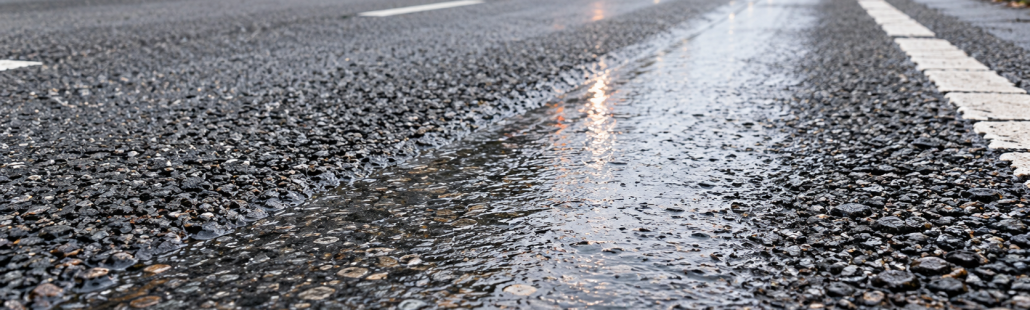
When rain falls onto a road, water needs to escape from beneath vehicle tyres.
The surface texture helps create pathways through which water can move.
This becomes particularly important at higher traffic speeds.
A suitable surface course is therefore designed to provide the characteristics required for its intended road environment.
It would be misleading to assume that simply using larger stones automatically creates a safer wet-weather surface.
The complete mixture specification determines how the finished pavement behaves.
Can Aggregate Size Affect Road Noise?
Yes, aggregate grading and the resulting surface texture can influence the noise generated by tyres travelling over asphalt.
Tyre and road interaction is one contributor to traffic noise.
Different surface mixtures create different contact conditions as tyres roll across them.
Some asphalt systems are specifically designed to reduce tyre-road noise through their texture and void structure.
However, aggregate size alone does not determine whether a road will be quiet.
The mixture type, surface condition, traffic speed and vehicle characteristics also influence noise levels.
A surface should therefore be selected according to its complete performance requirements.
Why Aggregate Size Matters for Asphalt Compaction
Compaction is one of the most important stages of asphalt installation.
Once the mixture has been placed, it needs to be compacted while it remains sufficiently workable.
Correct compaction helps the asphalt achieve the intended density and internal structure.
Aggregate grading influences how the particles rearrange and interact during this process.
A suitable mixture should be capable of achieving the required compaction under appropriate installation conditions.
What Happens When Asphalt Is Poorly Compacted?
Inadequate compaction can leave excessive air voids within the pavement.
These voids can make the asphalt more vulnerable to water and air entering the material.
Over time, this can contribute to premature deterioration.
Poorly compacted areas may also be more susceptible to deformation under repeated traffic loading.
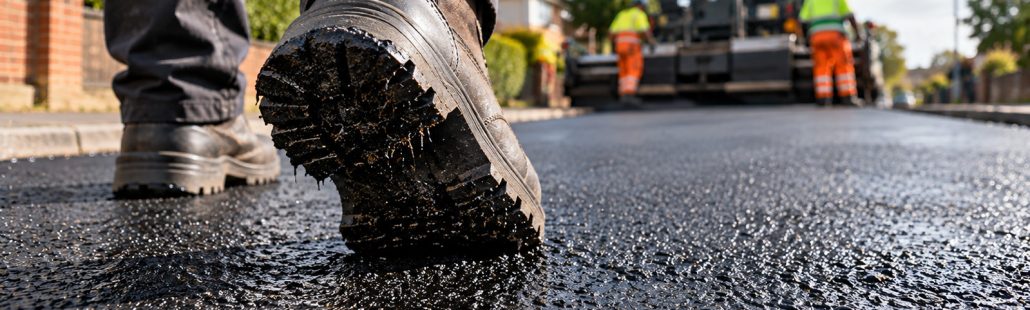
For larger surfacing projects, professional machine lay tarmac can help achieve consistent material placement and thickness.
However, suitable rolling procedures and temperature control remain essential regardless of the aggregate size selected.
Why Layer Thickness Must Match Aggregate Size
One important consideration during asphalt specification is the relationship between aggregate size and the thickness of the layer being installed.
The mixture must be suitable for the intended compacted thickness.
If aggregate particles are too large relative to the layer, achieving a uniform and properly compacted finish can become difficult.
This can contribute to irregularities and inadequate compaction.
The appropriate relationship depends on the particular asphalt mixture and relevant specification.
This is why contractors should not simply select a coarse asphalt and attempt to install it as an unusually thin layer.
The material and layer thickness need to be designed together.
Different Asphalt Layers Have Different Requirements
A road pavement often contains more than one asphalt layer.
Each layer performs a particular function within the overall construction.
The lower asphalt layers contribute structural capacity, while the upper surface course provides the characteristics needed where tyres contact the road.
The aggregate specification can therefore differ between layers.
Aggregate in the Binder Course
The binder course sits beneath the surface course in many asphalt pavement constructions.
Its primary role is structural.
The mixture needs to contribute to the strength and stability of the pavement while supporting the upper layer.
Depending on the pavement design, a binder course may use a coarser mixture than the finished surface.
The exact specification depends on the road construction and anticipated loading.
Aggregate in the Surface Course
The surface course is the uppermost asphalt layer.
It must provide the required surface texture, durability and resistance to traffic-related wear.
Aggregate selection is particularly important because the exposed particles interact directly with vehicle tyres.
The appropriate mixture depends on the location and intended use.
A residential driveway and a heavily trafficked road junction may therefore require different surface-course specifications.
How Aggregate Size Affects Resistance to Rutting
Rutting occurs when depressions develop along regular vehicle wheel paths.
It can result from deformation within the asphalt or movement in the supporting pavement layers.
The internal structure of an asphalt mixture influences its resistance to deformation.
Suitable aggregate grading, particle characteristics and binder selection all contribute to performance.
However, simply increasing aggregate size will not automatically prevent rutting.
If the mixture is poorly designed, inadequately compacted or installed over weak foundations, deformation can still occur.
The complete pavement must be suitable for the loads it receives.
Why Turning Areas Need Particular Attention
Some locations experience more demanding traffic movements than ordinary straight roads.
Junctions, loading bays and industrial entrances are common examples.
Vehicles frequently brake, accelerate and turn in these areas.
Heavy vehicles can create particularly significant sideways forces when manoeuvring at low speeds.
These stresses place additional demands on the asphalt mixture.
Aggregate selection and grading therefore need to form part of a wider specification that considers resistance to deformation and surface deterioration.
Does Aggregate Size Affect Drainage?
Aggregate grading can influence the void structure of an asphalt mixture.
Dense asphalt mixtures are designed with a relatively compact internal structure.
Other specialist asphalt systems contain more interconnected voids, allowing water to move through the material.
These systems require careful design because permeability depends on more than the size of the largest aggregate particles.
The proportion of smaller particles, mixture composition and intended void content all matter.
A road does not automatically become permeable simply because larger stones have been used.
Surface Drainage Still Matters
Even where an asphalt mixture has particular drainage characteristics, the surrounding pavement needs an appropriate drainage design.
Water must be directed away from vulnerable areas.
Surface levels, gullies, channels and the supporting construction all influence how effectively rainfall is managed.
Poor drainage can contribute to premature road deterioration regardless of aggregate size.
Why Aggregate Shape Matters Alongside Size
Two stones of similar size can behave differently depending on their shape.
Angular aggregate particles have different contact characteristics from rounded particles.
Particle shape influences how the aggregate interacts within the asphalt mixture.
This can affect the internal structure and resistance to certain types of deformation.
The properties of the stone itself are also important.
Aggregate must be suitable for the traffic and environmental conditions it will experience.
Size, shape, grading and durability should therefore be considered together.
Can the Wrong Aggregate Cause Premature Road Failure?
An unsuitable aggregate specification can contribute to poor pavement performance.
For example, a mixture may be difficult to compact at the intended layer thickness.
It may also lack the characteristics needed for the traffic using the site.
However, premature failure is rarely explained by aggregate size alone.
Binder selection, installation temperature, compaction, drainage and foundation strength can all influence the outcome.
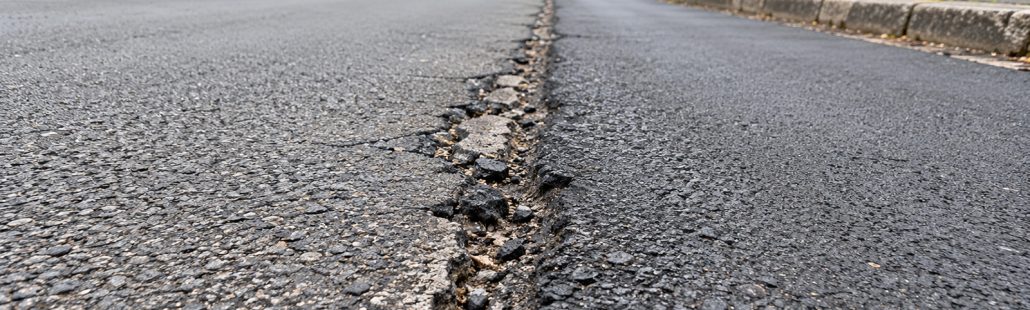
A road that develops repeated cracks or potholes may have weaknesses extending well below the surface course.
Professional pothole repairs should therefore consider the condition of the surrounding pavement rather than assuming that changing the surface aggregate will resolve every defect.
Why a Finer Surface Is Not Always the Best Commercial Choice
Property owners sometimes prefer a particularly smooth, fine-looking asphalt finish.
Although appearance is important, commercial pavement selection should prioritise performance.
A delivery yard carrying heavy lorries has different requirements from a pedestrian route.
The surface needs to withstand its intended loading, while the supporting pavement must provide adequate structural capacity.
Selecting a mixture purely because it produces a fine finish can be inappropriate if its performance characteristics do not match the site.
The correct specification balances appearance with the demands of everyday use.
What Should Property Owners Consider Before Choosing Tarmac?
When planning a new driveway, access road or commercial surfacing project, the most important question is not simply which aggregate size looks best.
The proposed asphalt should be suitable for the intended pavement layer and traffic conditions.
Vehicle type, frequency of use, turning movements, drainage and foundation condition all influence the specification.
The thickness of the asphalt layers also needs to be appropriate for the selected mixtures.
A properly designed pavement considers these factors together.
This reduces the risk of choosing a surface that looks attractive immediately after installation but performs poorly under regular loading.
Aggregate Size Is Only One Part of Good Asphalt Design
Aggregate size in tarmac UK surfacing projects influences several important aspects of pavement performance.
It contributes to the internal structure of the mixture, affects the achievable surface finish and plays a role in compaction, texture and resistance to deformation.
However, larger aggregate is not automatically stronger, and smaller aggregate is not automatically better.
The correct choice depends on how the aggregate is graded, its physical properties, the binder used and the requirements of the pavement.
A durable road or driveway relies on all these elements working together.
When aggregate selection is matched to the intended layer, installation thickness and expected traffic, the finished asphalt has a much better foundation for reliable long-term performance.