
- admin
- No Comments
- June 24, 2026
The Life Cycle of a Road: From New Tarmac to Full Reconstruction
Every Road Has a Lifespan
A newly surfaced road often appears smooth, durable and built to last. However, no road remains in perfect condition forever. Traffic loads, weather conditions, drainage performance and maintenance standards all influence how quickly deterioration occurs.
Understanding the road life cycle UK property owners experience helps businesses plan maintenance budgets, avoid unexpected failures and maximise the lifespan of their infrastructure. Whether managing a commercial estate, industrial site or private access road, knowing what happens at each stage can significantly reduce long-term costs.
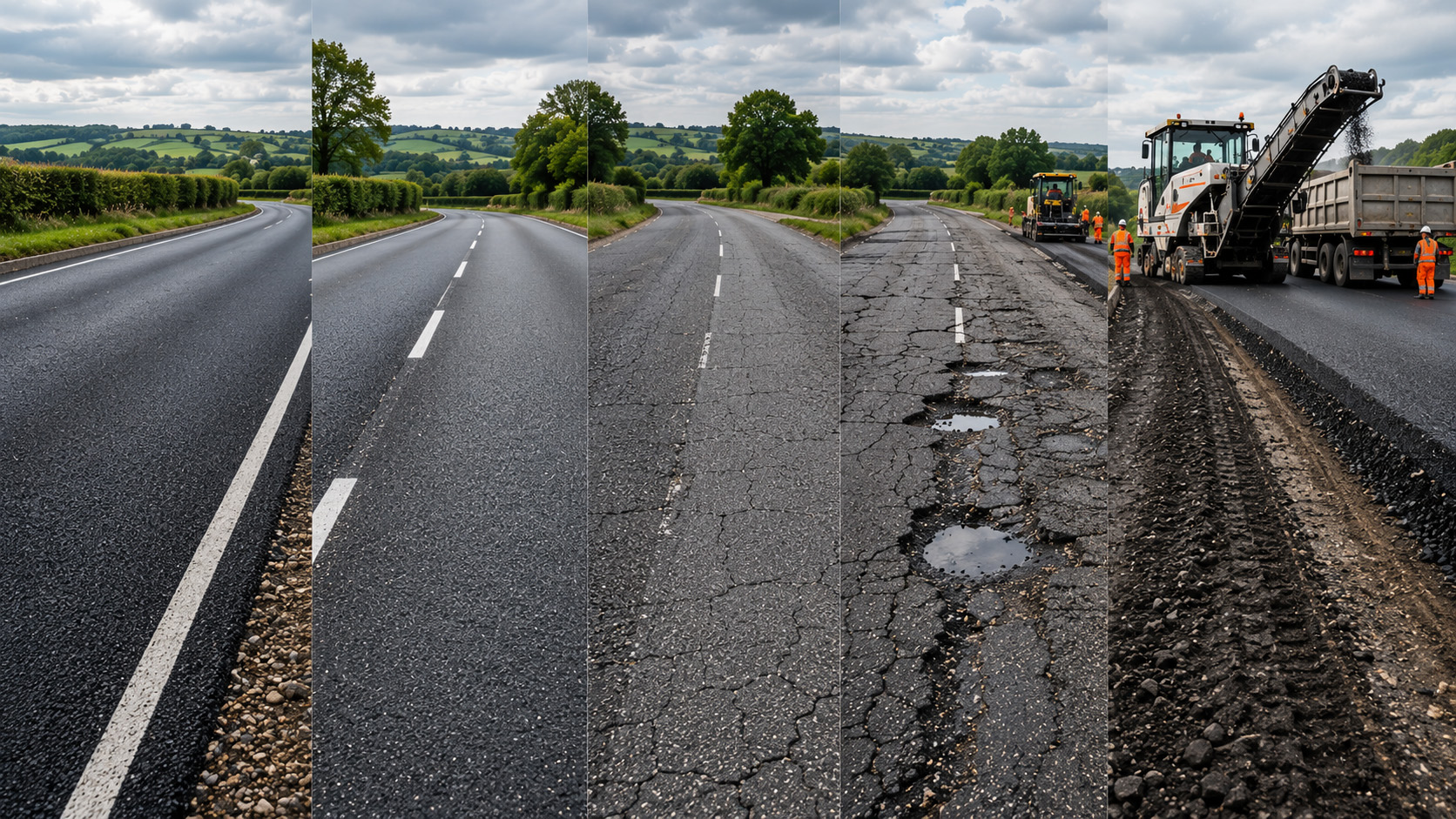
Stage One: New Construction
The life cycle begins with construction. During this phase, the sub-base, binder course and wearing course are installed to create a stable and durable surface.
The quality of the initial build has a major influence on future performance. Professional tarmac installation ensures that every layer is correctly compacted and designed for anticipated traffic loads.
When built properly, a new road provides excellent structural performance and requires minimal intervention during its early years.
Stage Two: Early Service Life
For the first several years, a road typically remains in very good condition. Minor weathering may occur, but structural integrity remains strong.
Traffic begins to polish the surface texture, and natural ageing of the asphalt binder starts gradually. However, defects are generally limited and maintenance requirements remain low.
Routine inspections during this stage establish a baseline for future asset management.
Stage Three: Signs of Surface Wear
As the road ages, the first visible signs of wear begin to appear. Small cracks, slight fretting and localised surface texture changes are common.
At this stage, the road remains structurally sound, but preventative maintenance becomes increasingly important. Early intervention helps stop moisture entering the structure and prevents minor defects from developing into larger problems.
This is often the point where many road owners can achieve the greatest return on maintenance investment.
Stage Four: Preventative Maintenance Phase
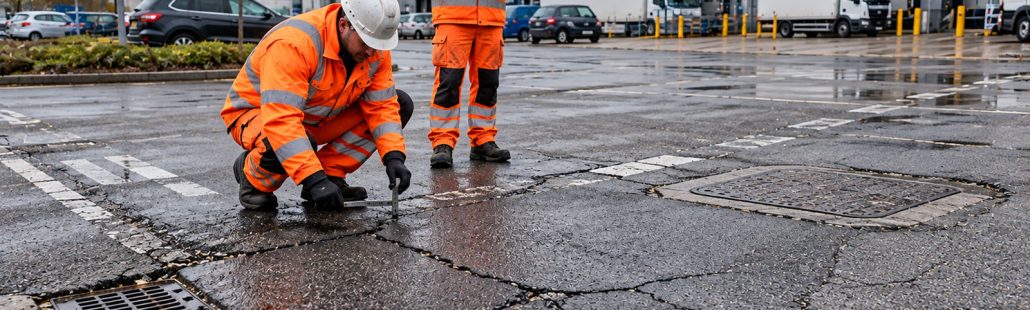
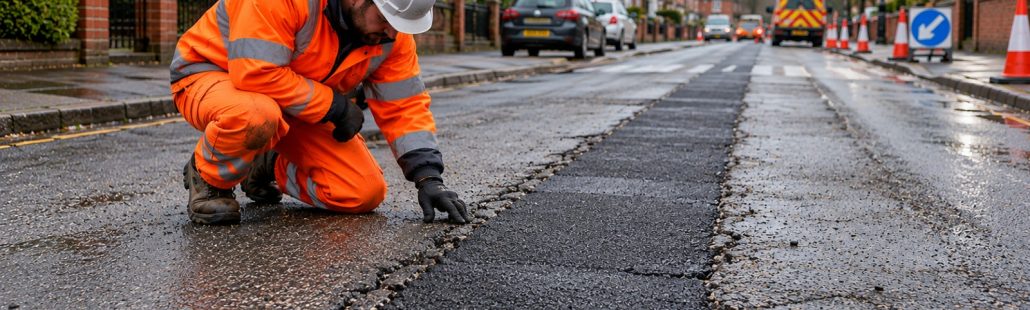
Preventative maintenance is designed to extend lifespan before significant deterioration occurs. Crack sealing, drainage improvements and localised repairs help preserve structural integrity.
Professional commercial surfacing specialists often recommend targeted maintenance programmes during this phase to maximise long-term performance.
Roads that receive proactive care can remain functional for many years longer than those maintained reactively.
Stage Five: Progressive Deterioration
Without sufficient intervention, defects gradually become more pronounced. Cracks widen, surface texture deteriorates and isolated areas of settlement may appear.
Water ingress becomes a greater concern during this stage. Once moisture reaches the lower layers, freeze-thaw cycles and traffic loads accelerate deterioration.
Surface appearance may still seem acceptable in some areas, but structural weaknesses are beginning to develop beneath the road.
Stage Six: Potholes and Structural Fatigue
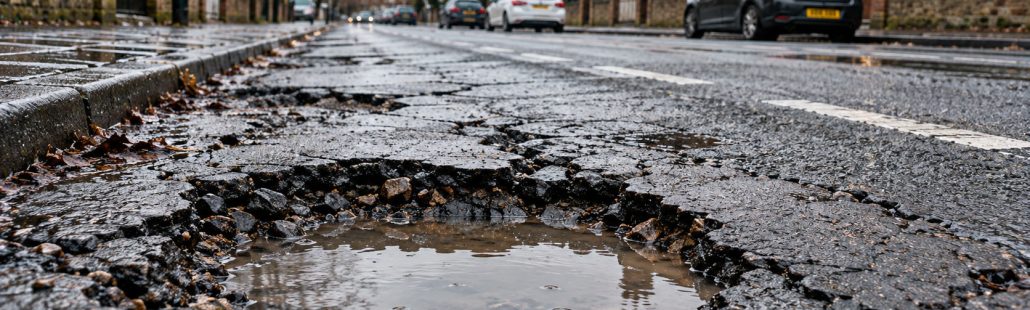
As deterioration progresses, potholes, rutting and widespread cracking become increasingly common. The road may require frequent repairs simply to remain safe and operational.
Repeated pothole repairs can temporarily restore usability, but recurring defects often indicate deeper structural issues.
At this point, maintenance costs tend to rise significantly as repairs become more frequent.
Stage Seven: Major Resurfacing
Eventually, the wearing course reaches the end of its practical lifespan. If the foundation remains stable, resurfacing may provide an effective solution.
Resurfacing removes or overlays the upper layer while retaining much of the existing structure. This restores ride quality, appearance and waterproofing performance without the cost of full reconstruction.
Timing is critical. Resurfacing before extensive base failure occurs is usually the most cost-effective option.
Stage Eight: Full Reconstruction
When structural layers have deteriorated beyond repair, full reconstruction becomes necessary. This involves removing existing materials and rebuilding the road from the foundation upwards.
Although reconstruction represents the largest investment, it restores the road to a new lifecycle and eliminates long-standing structural weaknesses.
Proper design, drainage and construction standards ensure that the new road begins its lifecycle with the best possible foundation.
What Determines Road Lifespan?
Several factors influence how quickly a road moves through its lifecycle. Traffic volume, vehicle weight, weather conditions and drainage performance all play major roles.
Maintenance strategy is equally important. Roads that receive regular inspections and timely repairs often outlast neglected surfaces by many years.
The difference between a road lasting fifteen years and one lasting twenty-five years often comes down to proactive management rather than materials alone.
Conclusion
Every road follows a predictable lifecycle, from new construction through gradual wear and eventually major renewal. While deterioration is inevitable, the speed at which it occurs is largely controllable.
Understanding the road life cycle UK infrastructure experiences allows property owners and site managers to make informed maintenance decisions. With quality construction, effective drainage and proactive maintenance, roads can deliver reliable performance for decades before reconstruction becomes necessary.