
- admin
- No Comments
- June 12, 2026
The Hidden Impact of Delivery Vans on Residential Roads in the UK
Online shopping has transformed daily life across the UK. From groceries to furniture, parcels now arrive at residential properties multiple times per week. While this offers convenience for households, it has created a hidden infrastructure issue.
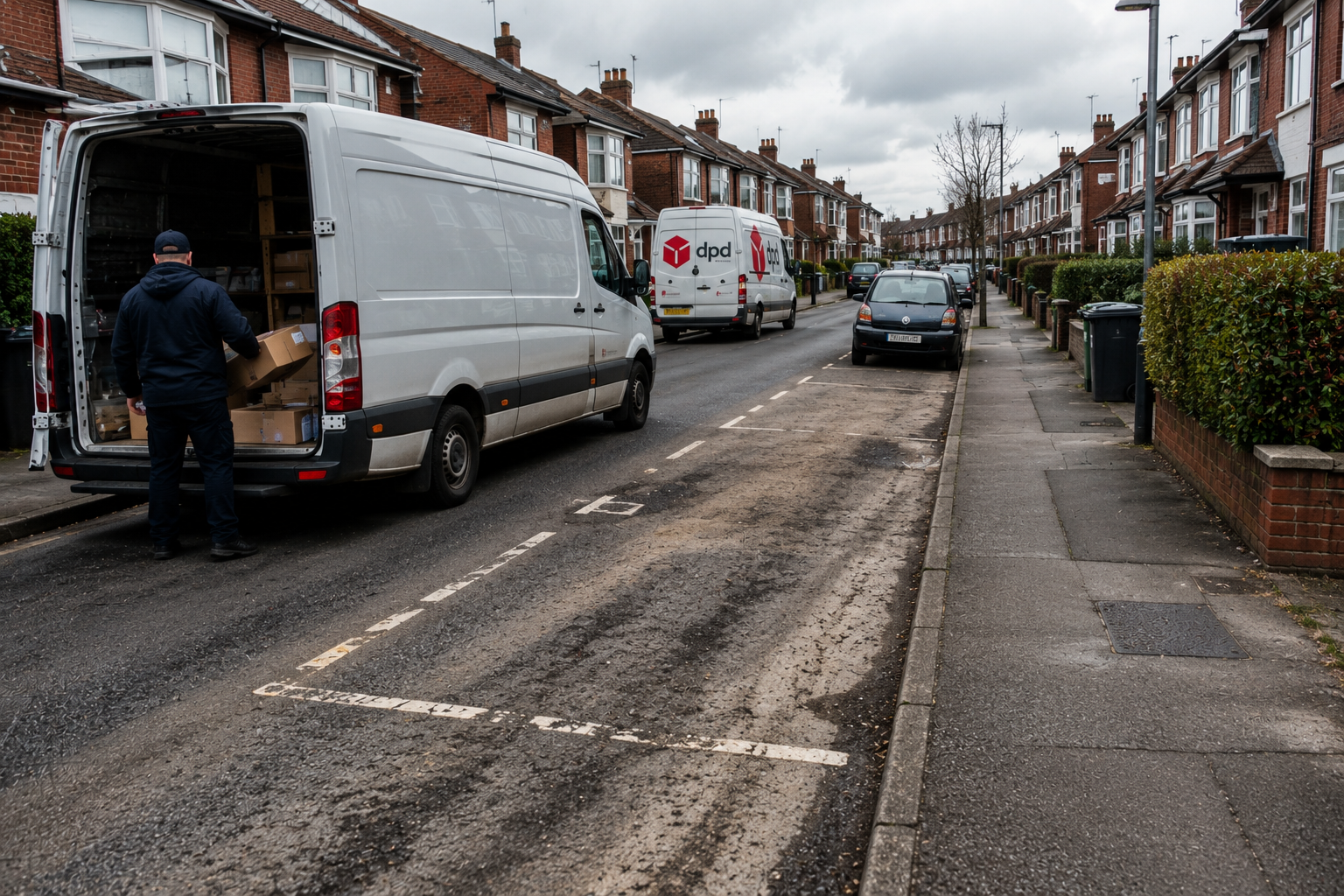
Delivery van road damage UK cases are increasing as residential streets face traffic levels they were never originally designed to handle. Many housing estates were built for light domestic use, not constant commercial-style traffic.
Understanding how delivery vehicles affect road surfaces helps property managers, developers and residents plan for long-term durability.
Heavier Vehicles Than Standard Cars
Although delivery vans may appear similar in size to large family cars, they are significantly heavier. Fully loaded vans can weigh substantially more than standard passenger vehicles, placing greater pressure on residential road structures.
Repeated loading over the same wheel paths accelerates surface fatigue. Residential roads typically have thinner sub-base layers than commercial access roads, making them more vulnerable to deformation.
Professional commercial surfacing standards differ considerably from residential specifications, which explains why some estates experience premature wear.
Repeated Stopping and Starting
Delivery drivers frequently stop, idle and accelerate along short residential stretches. This creates additional stress beyond simple through-traffic movement.
Braking forces push forward against the asphalt, while acceleration pulls the surface in the opposite direction. Over time, this constant stress can cause minor cracking, particularly in areas outside properties with frequent deliveries.
These stress points often become the first areas where surface damage appears.
Turning Movements and Tight Streets
Modern residential developments often feature narrow roads and tight turning circles. Delivery vans navigating these layouts apply lateral stress as they manoeuvre around parked cars and cul-de-sacs.
Low-speed turning increases surface shoving and rutting, especially in warmer months when asphalt softens slightly.
Proper tarmac installation with adequate structural depth helps reduce the risk of deformation in high-turn areas.
Localised Surface Fatigue
Unlike evenly distributed traffic, delivery activity is often concentrated around specific properties. This creates localised wear patterns where vans repeatedly stop or reverse.
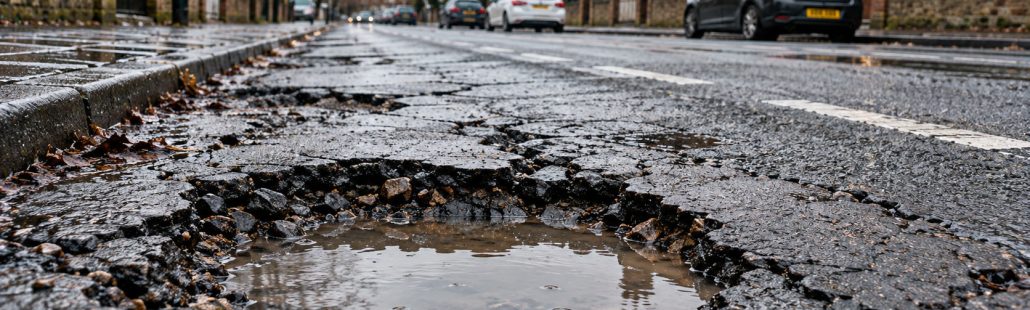
Over time, these small zones of repeated stress weaken the surface layer and allow water to penetrate. Once moisture reaches the sub-base, deterioration accelerates.
Without intervention, minor cracking can develop into potholes, requiring prompt pothole repairs to restore safety.
Drainage and Water Ingress
Residential roads are particularly vulnerable to water damage. If surface cracking allows rainwater to enter the structure, freeze-thaw cycles during winter can significantly widen defects.
Delivery traffic increases the likelihood of small cracks forming, which then permit water infiltration. Combined mechanical and environmental stress shortens overall road lifespan.
Effective drainage and timely maintenance are therefore essential in areas experiencing high delivery volumes.
Roads Not Designed for Commercial-Style Use
Many residential estates built decades ago were never intended to accommodate the level of daily commercial van traffic now present.
The growth of e-commerce has effectively transformed quiet residential streets into light commercial routes. However, road specifications have not always evolved to match this shift.
As delivery frequency continues to increase, infrastructure upgrades may become necessary to prevent ongoing deterioration.
Long-Term Cost Implications
Premature surface damage results in more frequent maintenance interventions. For private developments or managed estates, this can increase service charges and long-term repair budgets.
Addressing structural weaknesses early prevents escalating repair costs. In some cases, resurfacing with increased structural depth may be required to accommodate modern traffic patterns.
Recognising delivery van road damage UK trends allows property managers to plan proactively rather than reactively.
Planning for the Future
With online retail continuing to grow, delivery traffic is unlikely to decline. Residential infrastructure must adapt to reflect changing usage patterns.
Future housing developments may require stronger sub-base design, improved drainage and increased surface thickness to withstand repeated van traffic.
By anticipating traffic changes and investing in durable construction methods, residential roads can achieve longer service life despite increased demand.
Conclusion
The hidden impact of delivery vans on residential roads in the UK is becoming more visible as surface damage accelerates. Heavier loads, frequent stopping, tight turning movements and concentrated traffic all contribute to premature wear.
Understanding these stress factors enables property owners and site managers to make informed decisions about maintenance and resurfacing. As residential streets evolve into higher-traffic environments, infrastructure must evolve with them to ensure durability and safety.