
The True Cost of Ignoring Minor Surface Damage
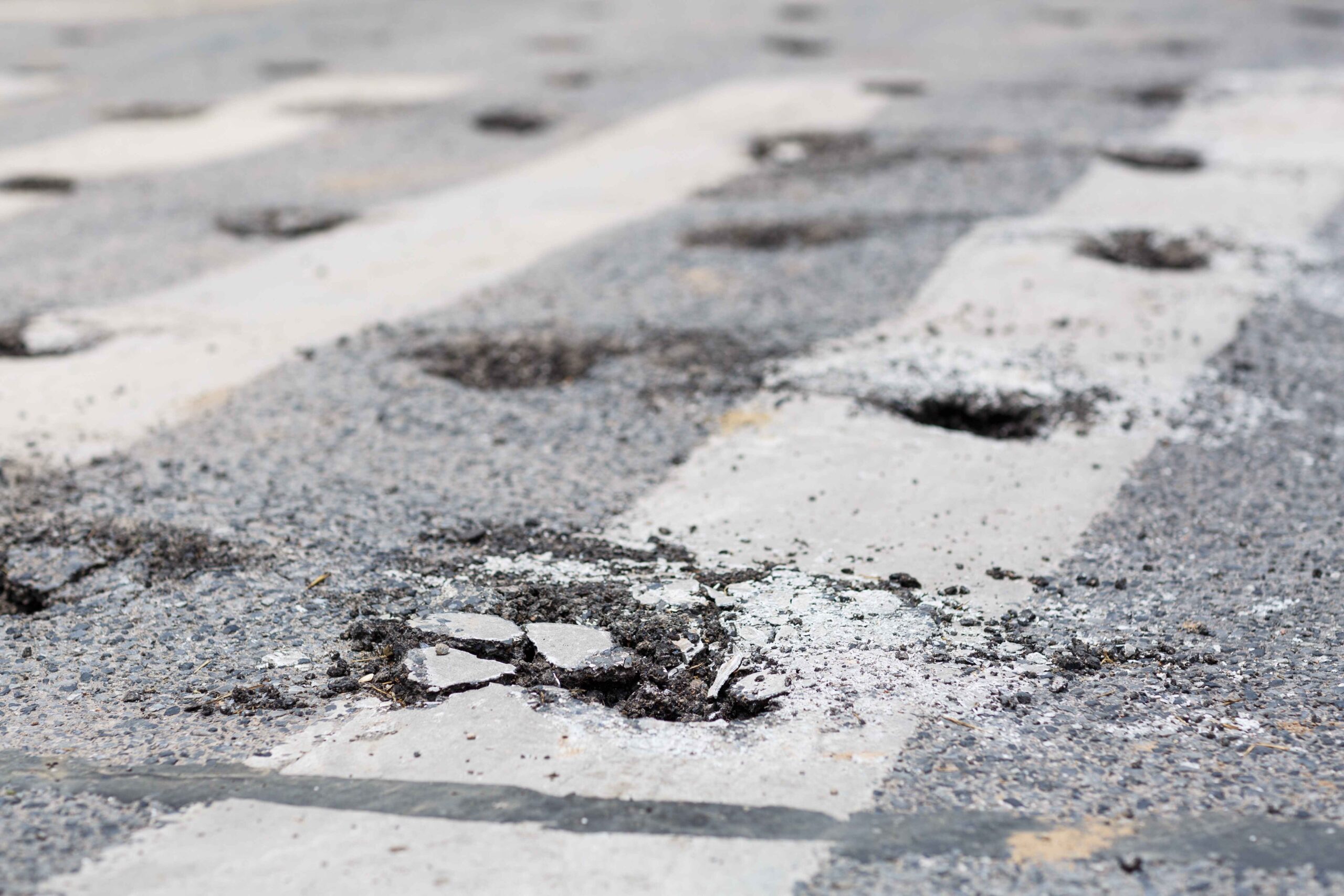
Minor surface damage might not seem like a pressing concern, especially when it appears as small cracks, shallow potholes, or early-stage wear. But delaying repairs can turn a small issue into a major expense. Whether it’s a tarmac driveway, commercial car park, or a public road, surface integrity matters. In this blog, we’ll examine the hidden costs of ignoring minor surface damage, how it affects safety and durability, and why timely maintenance like pothole repair or crack sealing can save you serious money in the long run.
1. What Is Minor Surface Damage?
Minor surface damage refers to early-stage deterioration in paved surfaces such as:
-
Hairline cracks in asphalt or resin surfacing
-
Small potholes forming on driveways or car parks
-
Slight undulations or sinking
-
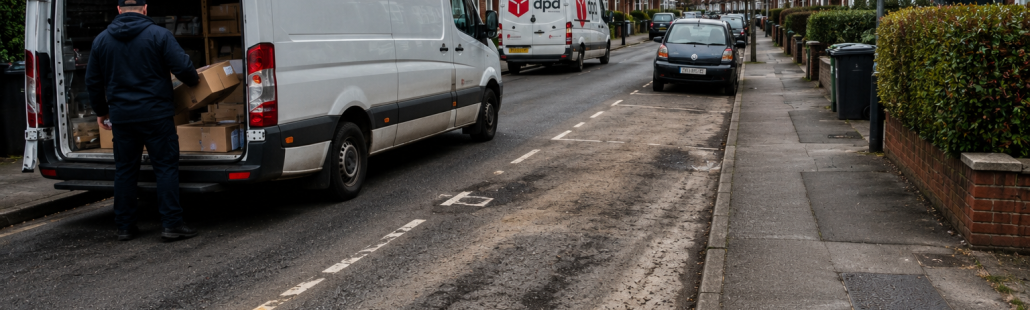
Faded or worn road markings
-
Early-stage water pooling due to drainage inefficiencies
These issues may appear cosmetic, but they often indicate deeper underlying problems—such as weakening sub-bases or moisture infiltration—that can spread quickly.
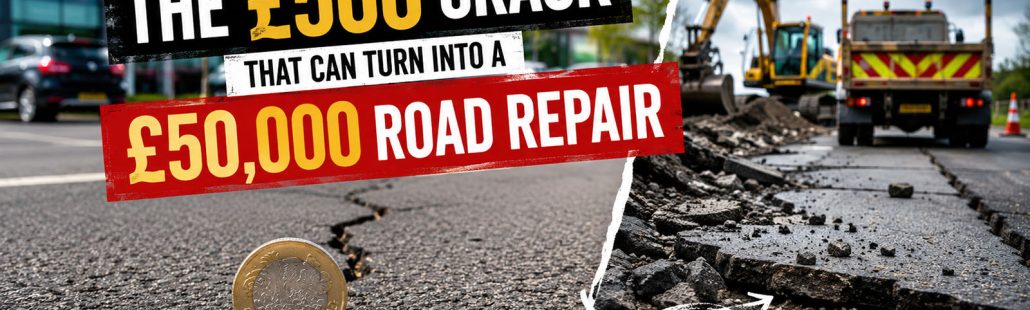
2. The Real Cost of Doing Nothing
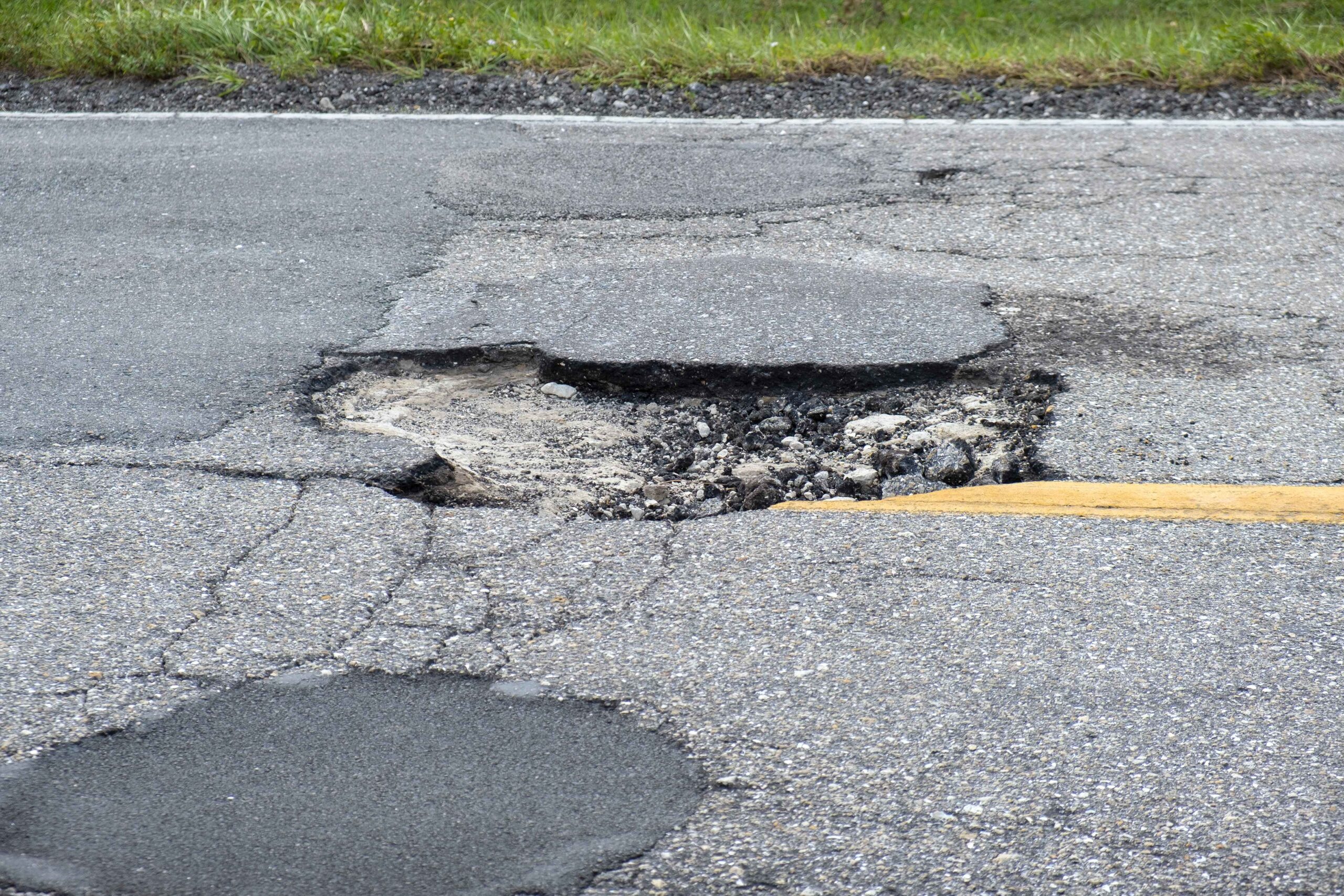
When minor surface damage is ignored, what starts as a simple fix can develop into a costly repair. For example:
-
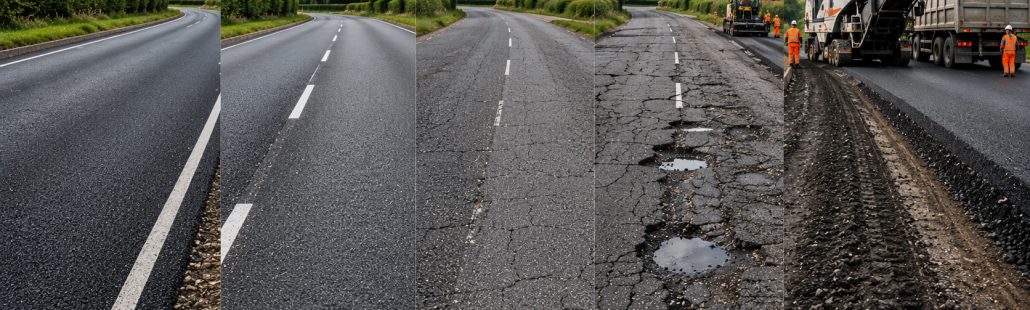
A hairline crack can let water seep in, freeze during winter, and expand—causing major cracks or potholes.
-
Small potholes grow rapidly under the stress of traffic, turning into structural failures.
-
Surface erosion allows moisture to penetrate the sub-base, weakening the foundation and leading to collapse.
Cost Comparison:
-
Early crack sealing: £2–£5 per linear metre
-
Minor pothole repair: £50–£150
-
Full resurfacing of a damaged section: £1,000+
-
Rebuilding a failed foundation: £3,000+
It’s clear—addressing small issues early on is far more cost-effective than fixing large-scale damage.
3. Safety Implications
Even small imperfections in your surface can create big hazards.
-
Trip hazards for pedestrians due to cracks or small holes
-
Vehicle damage from potholes, including tyre punctures and suspension issues
-
Increased liability for commercial or public properties if someone is injured due to poor surface conditions
In some cases, failing to repair a minor defect could even result in legal consequences if someone is harmed.
4. Impact on Asset Value and Curb Appeal
If you’re managing a commercial or residential property, surface condition plays a big role in how people perceive its value.
-
For businesses: A poorly maintained car park or entrance can turn customers away.
-
For homeowners: Cracks and potholes decrease property value and aesthetic appeal.
-
For local authorities: Deteriorating roads reflect poorly on local infrastructure and may trigger public complaints.
Investing in regular maintenance like resurfacing or crack filling keeps your property in top shape—protecting both its financial and functional value.
5. Moisture: The Silent Destroyer
Water is asphalt’s worst enemy. It infiltrates through small cracks, penetrates the sub-base, and causes movement and deformation—especially during freeze-thaw cycles.
Left unchecked, this leads to:
-
Accelerated crack expansion
-
Base layer instability
-
Surface warping and potholes
-
Full-depth failures requiring reconstruction
Minor surface damage is often the first warning sign that water is making its way in. Early action through sealcoating or targeted repairs can prevent extensive water damage.
6. Maintenance Planning and Budgeting
Scheduled maintenance is far easier to budget for than emergency repairs. By keeping up with minor fixes, you reduce the likelihood of costly surprises.
-
Crack sealing once every 2–3 years
-
Sealcoating every 4–5 years
-
Drainage checks annually
-
Resurfacing every 8–15 years depending on traffic load
A well-maintained surface has fewer interruptions, longer life, and significantly lower long-term costs.
7. Environmental Impact of Major Repairs
Believe it or not, ignoring minor surface damage can also lead to a larger environmental footprint. Extensive repairs require:
-
More materials (asphalt, aggregates, bitumen)
-
More energy (machinery, transport)
-
More waste (removal and disposal of damaged layers)
By repairing small issues early, you reduce the need for heavy construction and waste generation—making your maintenance plan more sustainable.
8. How to Spot Minor Surface Damage Early
You don’t have to be an expert to identify early signs of damage. Look out for:
-
Spiderweb cracks or alligator cracks
-
Pools of water that don’t drain
-
Fading road markings
-
Loosening aggregate or surface crumbling
-
Small bumps or dips
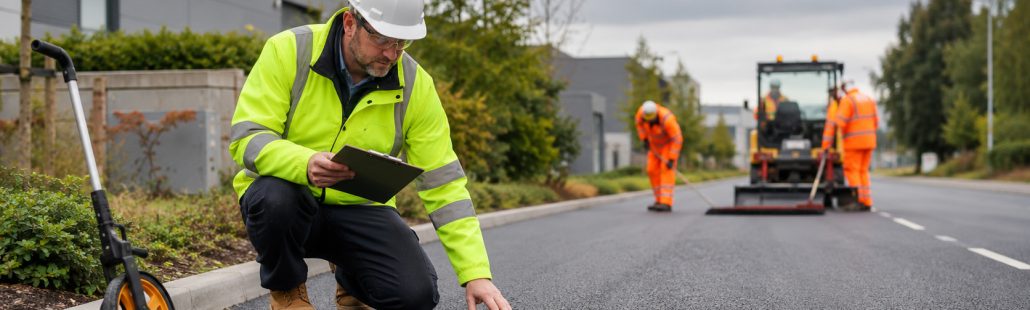
Regular inspections—especially after winter—can catch these issues early, giving you time to plan low-cost repairs.
9. Professional Help Makes All the Difference
DIY patch jobs may offer a short-term solution, but professional surface maintenance services provide:
-
Accurate assessment of damage
-
High-quality materials (hot mix asphalt, resin surfacing)
-
Proper application and compaction
-
Long-term warranties
Companies like East Herts Surfacing bring experience, equipment, and knowledge to every job—ensuring your minor issues don’t grow into major problems.
Conclusion: Pay Now or Pay (More) Later
The true cost of ignoring minor surface damage isn’t just financial—it’s about safety, reliability, and long-term performance. Small cracks, potholes, and drainage issues might seem manageable now, but without timely intervention, they can evolve into expensive, disruptive problems.
By investing in early repairs, whether through crack sealing, pothole repair, or light resurfacing, you protect your surface—and your wallet—for years to come. Don’t wait for disaster to strike. Take a proactive approach to your road or driveway maintenance today.