
- admin
- No Comments
- April 30, 2026
How to Extend the Life of Your Road Surface by 10+ Years
Some UK roads require significant repairs within five years, while others remain structurally sound for two decades or more. The difference rarely comes down to luck. It is almost always linked to preparation, maintenance strategy and drainage performance.
For commercial property owners and site managers, extending road surface life UK is not about one single upgrade. It is about consistent, proactive management that protects the structure beneath the visible layer.
Adding ten or more years to a road’s lifespan is entirely achievable with the right approach.
Prioritise Drainage Above All Else
Water is the most destructive element affecting road surfaces in the UK climate. Standing water weakens the sub-base, reduces load-bearing capacity and accelerates cracking through freeze-thaw cycles.
Ensuring proper camber, functional gullies and clear drainage channels significantly reduces structural stress. Professional commercial surfacing includes careful attention to falls and water management, which directly impacts longevity.
Regular drainage inspections can prevent premature failure more effectively than frequent resurfacing.
Seal Cracks Early
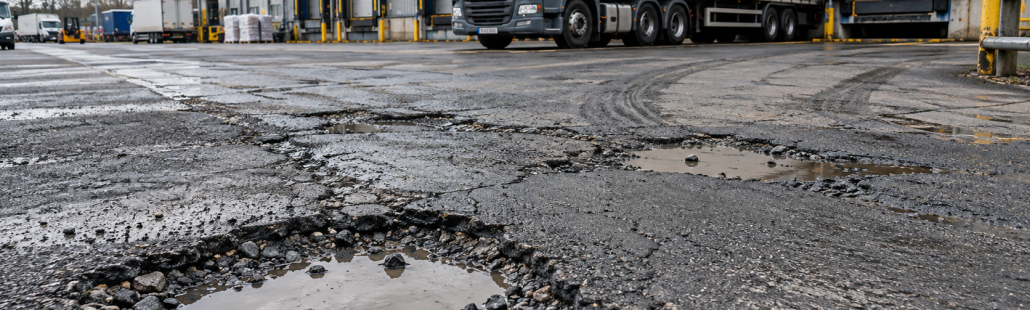
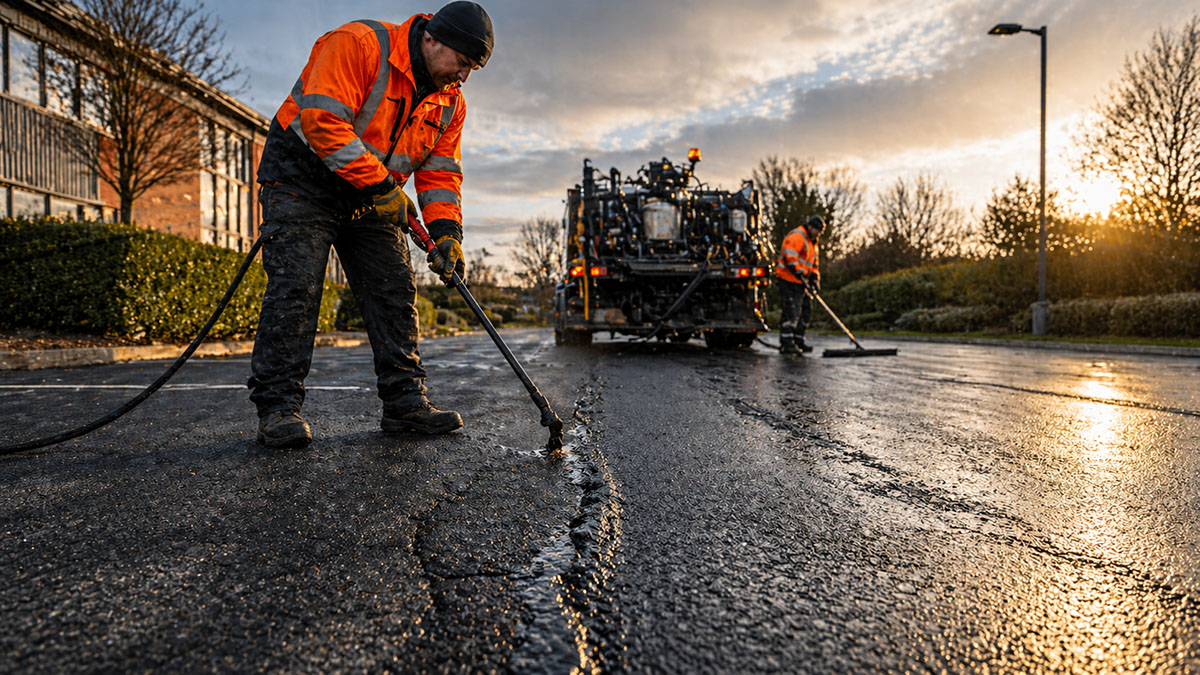
Small cracks are not cosmetic issues. They are entry points for moisture. Once water penetrates the structure, deterioration accelerates beneath the surface.
Crack sealing and minor interventions prevent larger structural problems from developing. Waiting until cracks expand into potholes increases repair costs and reduces overall lifespan.
Timely pothole repairs also prevent surrounding areas from weakening due to water ingress.
Maintain Surface Integrity
Heavy traffic, especially turning movements in commercial yards, creates concentrated stress. Monitoring high-load areas such as loading bays and entrances allows early reinforcement before widespread deterioration occurs.
Maintaining clean surfaces free from debris and oil contamination also reduces surface breakdown. Oils and chemicals can soften asphalt over time, reducing resistance to traffic loads.
Invest in Correct Thickness from the Start
If resurfacing or reconstruction is planned, increasing structural thickness can dramatically extend service life. Thin overlays may improve appearance but offer limited long-term durability.
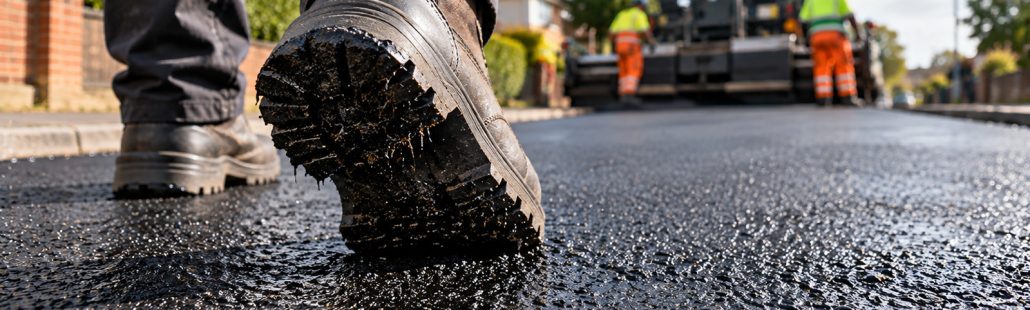
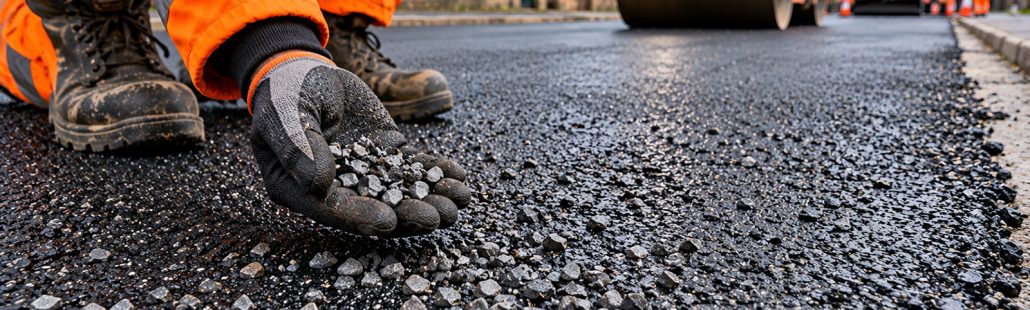
Professional tarmac installation ensures adequate binder and wearing course depth suited to expected traffic loads. Investing slightly more in depth during installation can add many years to the road’s performance.
Control Heavy Vehicle Stress
Repeated heavy goods vehicle traffic accelerates fatigue, particularly in areas with tight turning circles. Where possible, redistributing traffic flow or reinforcing high-stress zones reduces strain on the entire surface.
Strengthening key areas before visible failure occurs is more cost-effective than reconstructing after collapse.
Schedule Regular Inspections
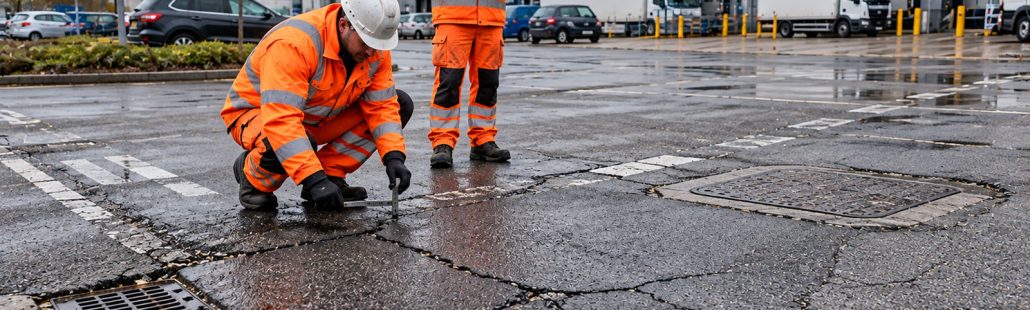
Routine inspections allow small defects to be identified before they escalate. Seasonal checks, particularly after winter, help detect freeze-thaw damage early.
Proactive monitoring transforms maintenance from reactive spending into structured asset management.
Avoid Repeated Temporary Patching
Repeated patching of the same area often indicates deeper structural weakness. While temporary repairs restore short-term usability, they do not resolve foundation issues.
If defects reappear in identical locations, structural assessment may be required to prevent recurring costs and further deterioration.
Protect Edges and Kerbs
Road edges are particularly vulnerable to breakdown. Once edges begin crumbling, water penetrates and weakens the structure from the side inward.
Maintaining kerbs and ensuring edge support prevents progressive deterioration across the full width of the road.
Adopt a Long-Term Asset Mindset
Extending road surface life UK requires shifting perspective. Rather than treating surfacing as a one-off expense, it should be managed as a long-term asset.
Planning maintenance cycles, budgeting for preventative treatments and investing in proper groundwork all contribute to extended performance.
The Financial Impact of Proactive Management
Adding ten years to a road’s lifespan significantly reduces lifecycle costs. Fewer major reconstructions, less disruption and lower emergency repair expenditure all contribute to improved financial efficiency.
For commercial sites where uninterrupted access is critical, reliability has direct operational value.
Conclusion
Extending the life of your road surface by 10+ years is not unrealistic. It requires effective drainage, early crack intervention, correct structural depth and consistent monitoring.
By prioritising proactive maintenance and professional installation standards, commercial property owners can protect their infrastructure, reduce long-term costs and ensure dependable access for years to come.