
- Minisgreat
- No Comments
- July 30, 2026
Can You Lay Tarmac in Cold or Wet Weather?
The British weather is famously unpredictable, and it often raises one of the most common questions property owners ask before a surfacing project begins: can tarmac actually be laid in cold or wet weather?
The simple answer is yes—but only under the right conditions. Modern asphalt can be installed outside the height of summer, but temperature, rainfall and ground conditions all influence the quality and lifespan of the finished surface. Experienced contractors carefully monitor forecasts and adjust schedules to ensure the material performs as intended.
Understanding how weather affects laying tarmac in cold weather UK projects helps explain why professional surfacing companies sometimes postpone work, even when conditions appear acceptable.
How Tarmac Is Installed
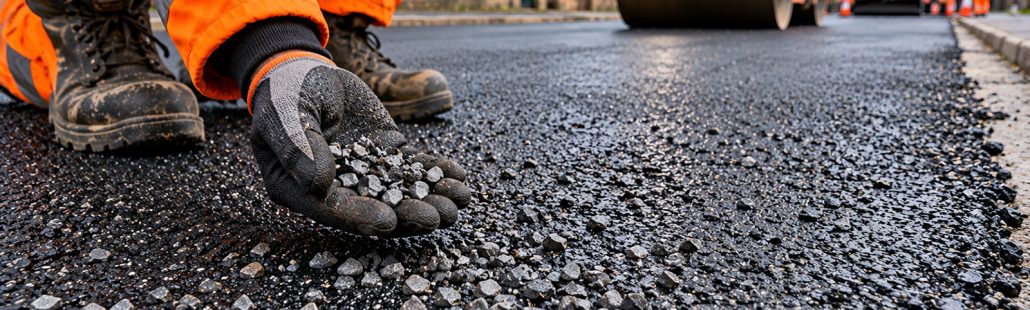
Tarmac is manufactured at high temperatures before being transported to site and laid while still hot.
The material must remain sufficiently warm to allow it to be spread evenly, shaped accurately and compacted to the required density. Once compacted, it cools and hardens into a durable wearing surface.
If the material cools too quickly before compaction is complete, achieving the correct density becomes much more difficult, which can affect both durability and appearance.
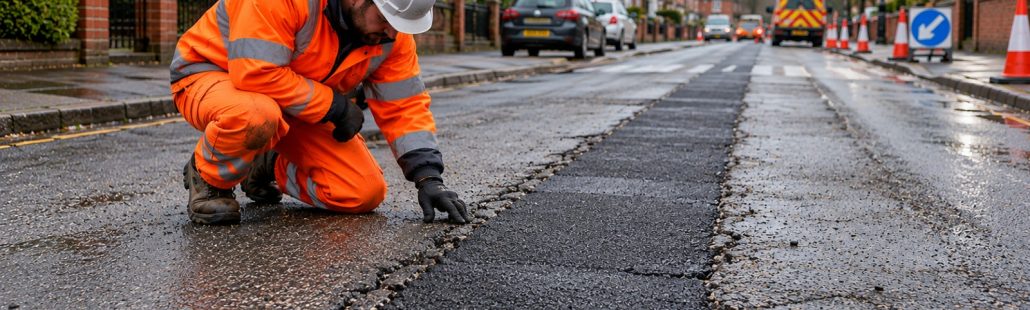
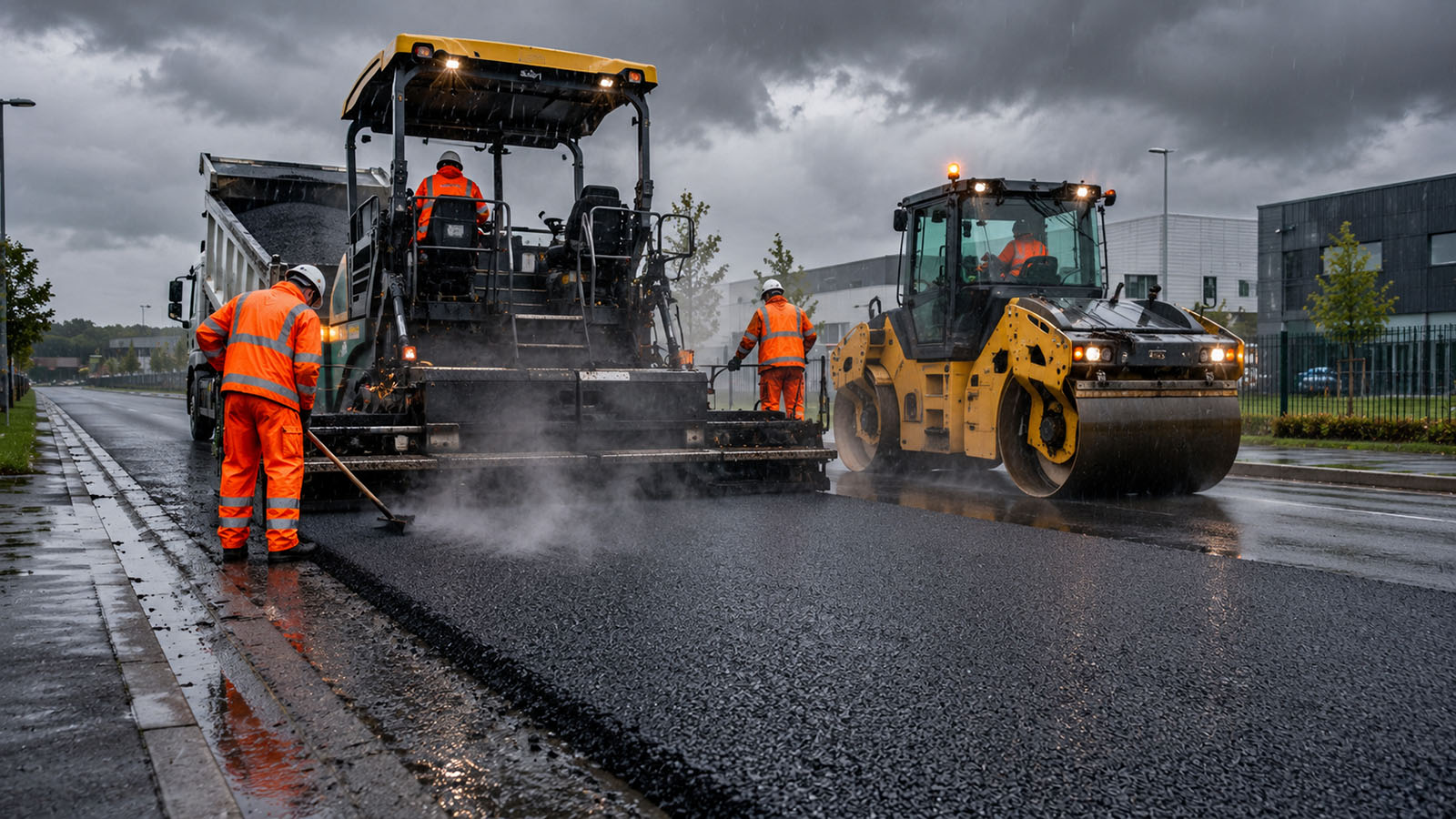
Professional machine lay tarmac allows contractors to place and compact asphalt efficiently, helping maintain consistent temperatures throughout the installation process.
Can Tarmac Be Laid in Cold Weather?
Cold weather does not automatically prevent tarmac installation.
Professional contractors regularly carry out surfacing work during autumn, winter and early spring. What matters is not simply the air temperature but the overall site conditions.
If temperatures are extremely low, the asphalt loses heat more rapidly after leaving the delivery vehicle. This shortens the time available for laying and compaction, making efficient working practices even more important.
Frozen ground, heavy frost or icy surfaces are generally unsuitable because they prevent proper bonding between the new asphalt and the underlying layers.
Why Surface Temperature Is Important
The condition of the existing surface is just as important as the outside air temperature.
A cold but dry foundation may still provide suitable conditions if the asphalt can be compacted before excessive cooling occurs.
However, if the existing road or driveway is frozen, moisture trapped beneath the new surface may expand as temperatures fluctuate, leading to movement and premature deterioration.
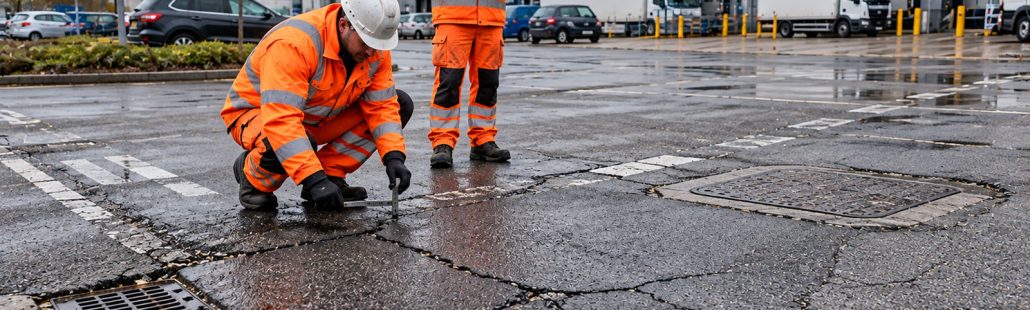
Professional surfacing teams always inspect the site before work begins to ensure conditions are appropriate.
Is Rain a Problem?
Rain presents a different challenge.
Light showers do not always mean work must stop immediately, particularly if the prepared surface remains dry and the rainfall is brief.
Persistent or heavy rain, however, creates several problems.
Water cools the asphalt more quickly, making compaction more difficult. It can also prevent proper bonding between the new material and the existing surface while introducing unwanted moisture into the pavement structure.
For this reason, experienced contractors rarely install new tarmac during prolonged wet weather.
Standing Water Must Be Avoided
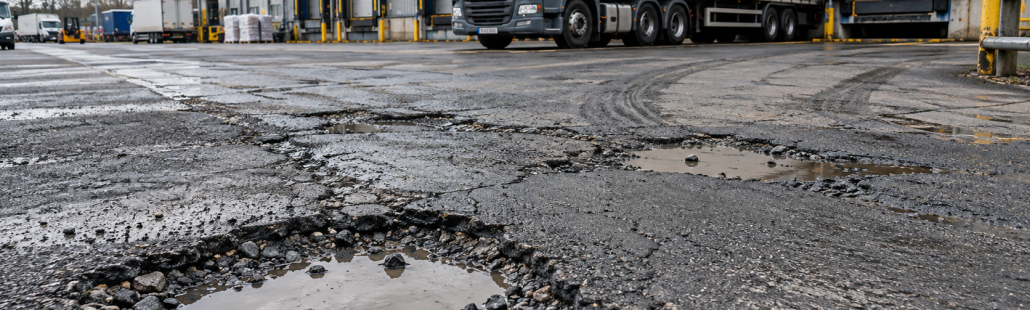
One of the most important requirements before laying tarmac is ensuring the base is dry and free from standing water.
Water trapped beneath freshly laid asphalt weakens adhesion and may eventually contribute to cracking, potholes or localised failure.
If rain has recently fallen, contractors will often allow additional drying time before continuing with installation.
Taking this precaution helps maximise the lifespan of the finished surface.
Cold Weather Affects Curing Times
Fresh tarmac begins cooling immediately after installation.
During colder weather, the surface reaches ambient temperature more quickly, but the material beneath continues stabilising for some time afterwards.
Property owners may be advised to avoid turning vehicle wheels sharply on newly laid surfaces until the asphalt has fully hardened.
Following the contractor’s aftercare advice helps prevent unnecessary scuffing or surface marking during the early curing period.
Planning Around the Forecast
Professional surfacing companies do not simply look at the weather on the day of installation.
They monitor forecasts several days in advance to identify temperature changes, rainfall, frost risk and prevailing winds.
This allows deliveries, equipment and labour to be scheduled during the most favourable conditions.
Although postponing work may seem inconvenient, it often prevents far more costly problems from developing later.
Choosing experienced specialists for tarmac installation ensures weather-related decisions are based on long-term performance rather than simply completing the project as quickly as possible.
Why Experience Makes a Difference
Working during colder months requires careful planning and efficient installation techniques.
Experienced contractors understand how quickly asphalt temperatures fall, how weather influences compaction and when conditions are unsuitable for laying.
They also ensure the correct equipment is available to complete the work efficiently before the material cools excessively.
This level of expertise significantly reduces the risk of premature defects developing after installation.
Quality Depends on More Than the Weather
Although weather plays an important role, it is only one factor affecting the finished result.
Proper ground preparation, effective drainage, high-quality asphalt, accurate compaction and skilled workmanship all contribute to a long-lasting surface.
Professional commercial surfacing combines all of these elements to produce roads, car parks and access routes capable of withstanding years of regular use in Britain’s challenging climate.
Conclusion
Laying tarmac in cold weather UK conditions is entirely possible when temperatures remain suitable, the ground is dry and experienced contractors use the correct installation techniques. Wet weather, however, requires much greater caution, as excessive moisture can compromise bonding, compaction and long-term durability.
Rather than working to a fixed calendar, reputable surfacing companies assess each project individually, taking account of weather forecasts, site conditions and material temperatures before proceeding. This careful approach helps ensure that newly laid tarmac delivers the strength, appearance and lifespan property owners expect, whatever the season.