
- Minisgreat
- No Comments
- August 19, 2026
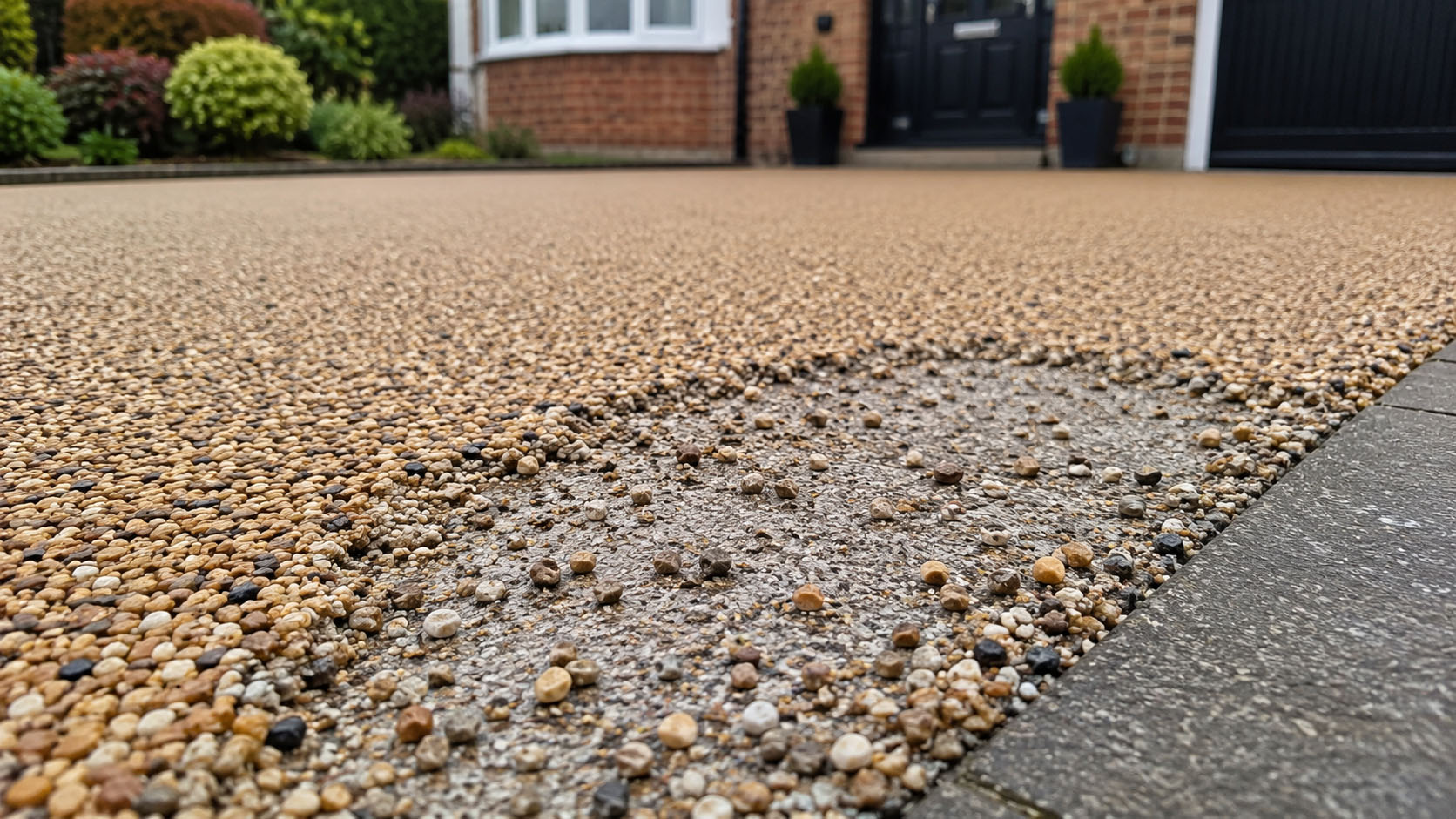
Loose Stones on Your Resin Driveway? Here’s What’s Causing It
One of the main attractions of a resin bound driveway is its smooth, decorative finish. The aggregate is mixed thoroughly with resin before installation, meaning the individual stones should be securely bonded together once the material has cured.
So, when loose stones suddenly start appearing across a driveway, it is understandable for property owners to become concerned.
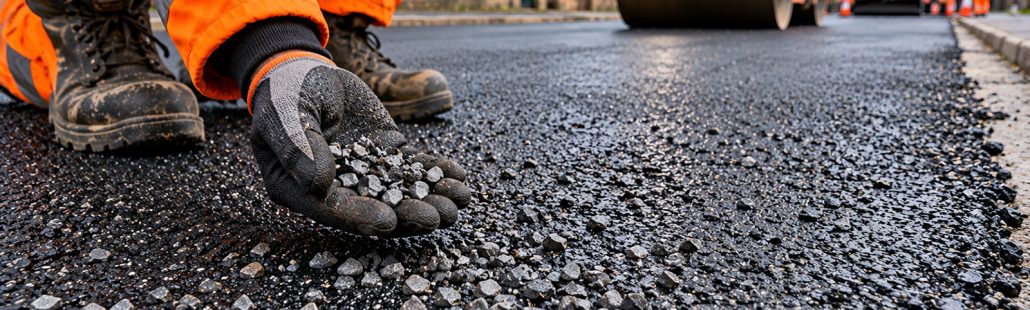
A few isolated particles do not necessarily mean the entire surface is failing. However, continual stone loss, increasingly rough areas or patches where aggregate can easily be dislodged deserve closer attention.
Loose stones on a resin driveway UK property can have several causes, ranging from installation problems to contamination, ageing and unsuitable traffic. Understanding which one is responsible is essential before deciding what to do next.
First, Understand How Resin Bound Surfacing Works
Resin bound surfacing is created by mixing dried aggregate with a specialist resin. The mixture is then placed onto a suitable base, spread to the required depth and carefully finished.
Unlike loose gravel, the aggregate should remain bound within the completed surface.
Professional resin bound surfacing therefore depends on accurate material ratios, thorough mixing, suitable weather conditions and correct preparation of the surface underneath.
If one of these elements is wrong, the consequences may not necessarily appear immediately. Problems can emerge months or even years later as vehicles, weather and everyday use begin testing the installation.
Insufficient Resin Can Cause Aggregate Loss
One possible cause of loose stones is an incorrect resin-to-aggregate ratio.
The resin needs to coat the aggregate adequately so the completed mixture forms a strong, interconnected surface. If insufficient resin is used, some stones may not receive enough binder to remain securely held.
Initially, the driveway might still appear acceptable.
Once tyres, foot traffic and cleaning begin placing stress on the surface, poorly bonded aggregate can gradually work loose.
This is why simply using less resin to reduce material costs can compromise the long-term performance of the installation.
Poor Mixing Can Create Weak Patches
Having the correct amount of resin is not enough. It also needs to be distributed properly throughout the aggregate.
Resin bound materials require controlled and consistent mixing. If part of the aggregate receives insufficient resin while another section receives more, the finished driveway can develop areas with noticeably different strength.
Weak patches may begin shedding aggregate while surrounding sections remain perfectly sound.
If stone loss appears concentrated in one particular section rather than across the entire driveway, inconsistent mixing may be one factor worth investigating.
Damp Aggregate Can Affect the Bond
Moisture during installation can cause significant problems.
The aggregate used in resin bound systems needs to be suitable for the process, and controlling moisture is particularly important. Unwanted water can interfere with how the resin interacts with the stone and may contribute to an unsatisfactory finish or reduced performance.
This presents an obvious challenge in the UK, where weather can change rapidly.
Professional installers monitor conditions carefully rather than treating resin installation like ordinary paving work that can simply continue regardless of rainfall.
Installation During Unsuitable Weather Can Cause Problems
Resin systems need appropriate conditions during mixing, laying and curing.
Rain is an obvious concern, but temperature also matters. The installer needs enough working time to mix, transport, spread and finish the material correctly before curing progresses too far.
Attempting installation in unsuitable conditions can make achieving a consistent result considerably more difficult.
A professional contractor should therefore assess the weather forecast before beginning rather than risking an installation simply to keep to a predetermined schedule.
Surface Contamination May Look Like Stone Loss
Not every loose stone found on a resin driveway has necessarily come from the driveway itself.
Decorative gravel from neighbouring areas, material carried in vehicle tyres and debris from nearby landscaping can all accumulate on the surface.
Before assuming the resin is breaking down, inspect the affected area closely.
If the driveway underneath remains smooth and tightly bonded, the loose material may have originated elsewhere. If the surface itself feels increasingly rough and stones can be removed easily, actual aggregate loss is more likely.
Tyre Movement Places Stress on Resin
Vehicle tyres do not only press downwards.
When a stationary vehicle turns its steering wheel, the tyres twist against the driveway surface. This creates concentrated forces over a relatively small area.
Repeatedly performing tight steering movements in the same location can place additional stress on any paved surface, particularly if the installation already contains a weak area.
Turning locations near entrances, garages and parking spaces can therefore be useful places to inspect when investigating loose aggregate.
Heavy Vehicles Can Exceed the Original Design
A resin driveway designed for domestic cars may not have been constructed for regular heavy commercial traffic.
Removal lorries, building-material deliveries, skips and other heavy loads can place substantially greater demands on the surface and the pavement beneath it.
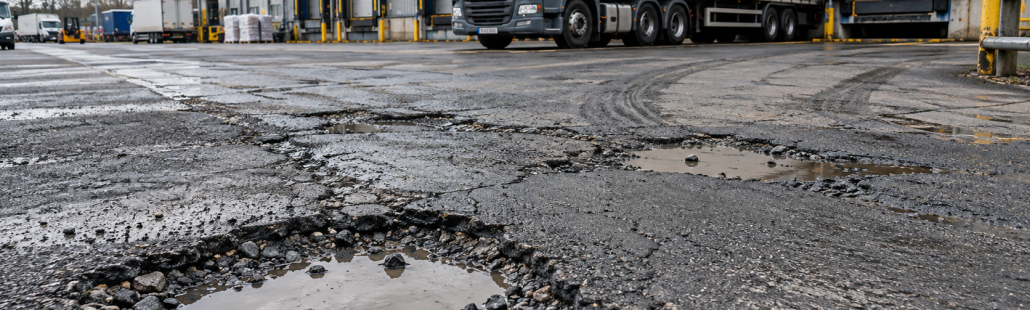
If the base moves under excessive loading, the resin surface may begin cracking or deteriorating even if the material itself was originally installed correctly.
Where frequent heavy traffic is expected, a more robust pavement construction such as correctly specified tarmac installation may be more appropriate for the primary vehicle area.
The intended use should always influence the surfacing specification.
The Problem Could Actually Be Underneath the Resin
A resin surface is only as stable as the construction supporting it.
If the underlying base cracks, settles or moves, stresses can transfer into the resin layer above. The first visible symptoms may include cracking, localised depressions or deterioration around the affected area.
This is particularly important when resin has been installed over an existing surface.
Covering a structurally unsound driveway does not remove the original defect. If movement continues underneath, it can eventually affect the new finish.
A lasting repair therefore requires the underlying condition to be assessed rather than simply adding more resin to the surface.
Water Can Make Existing Defects Worse
A correctly designed resin bound system can provide useful permeability, but water management still needs to be considered across the entire driveway construction.
If surrounding drainage is poor, the base is unsuitable or water repeatedly accumulates around edges, underlying problems may develop.
Water can also enter existing cracks and contribute to movement beneath the surface.
Once sections become unstable, vehicle loading can accelerate deterioration.
Good drainage remains important regardless of how attractive or permeable the visible finish may be.
Aggressive Cleaning Can Damage a Vulnerable Surface
Resin driveways benefit from periodic cleaning, but excessive force should be avoided.
If a pressure washer is used too aggressively, particularly at very close range, it can place unnecessary stress on the surface. A properly installed and healthy driveway should be durable, but already weakened areas may deteriorate more quickly when subjected to concentrated cleaning pressure.
Gentle, regular maintenance is generally preferable to allowing heavy contamination to accumulate and then attempting to remove everything with extremely aggressive cleaning.
Moss and Organic Growth Shouldn’t Be Ignored
Shaded areas can gradually accumulate moss, algae and organic material.
Apart from affecting appearance, this material can make the surface slippery and retain moisture. Leaves and soil can also obstruct the open structure at the surface, reducing effective drainage.
Routine sweeping and appropriate cleaning help maintain both appearance and performance.
Maintenance is relatively straightforward, but describing resin bound surfacing as completely maintenance-free can create unrealistic expectations.
Does Loose Aggregate Mean the Whole Driveway Needs Replacing?
Not necessarily.
The correct response depends on how extensive the problem is and why it is happening.
A small isolated area associated with local damage may potentially be repaired. More widespread aggregate loss across multiple sections could indicate a problem with the original mixture, installation conditions or overall condition of the system.
The key is determining whether deterioration is superficial or whether the driveway is losing structural integrity.
Covering a widespread problem with a quick cosmetic treatment without identifying the cause may simply postpone a more substantial repair.
Look for Other Warning Signs
Loose stones become more concerning when they appear alongside other changes.
Pay attention to whether the surface has become noticeably rougher, whether bald-looking patches are developing or whether cracks and depressions are appearing nearby. Changes around edges and drainage features can also provide useful clues.
If the amount of loose material appears to be increasing each month, the problem is unlikely to resolve itself.
Early assessment gives property owners more options before deterioration becomes widespread.
Can a Resin Driveway Be Repaired?
Resin bound surfacing can often be repaired, although matching an existing aged surface perfectly may be challenging.
Older aggregate and resin naturally change appearance through weathering and use. A freshly repaired area may therefore initially look different from the surrounding driveway.
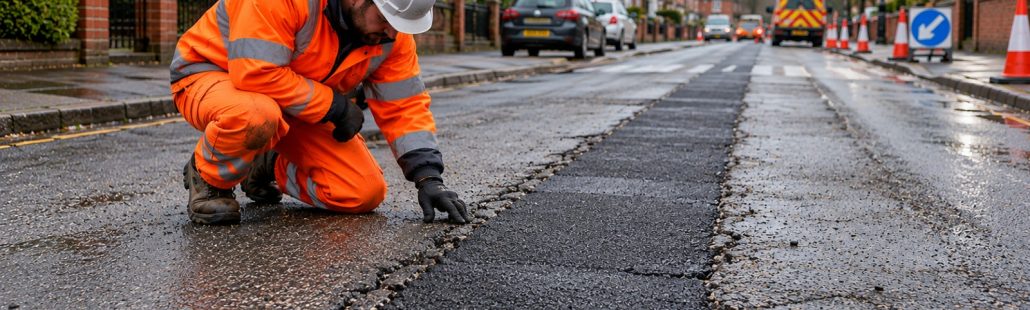
The appropriate repair also depends on the cause. If the problem is confined to the resin layer, localised replacement may be possible. If movement originates in the base, that structural problem needs addressing first.
Repairing only the visible surface while leaving an unstable foundation underneath increases the likelihood of the defect returning.
How to Reduce the Risk on a New Resin Driveway
Long-term performance begins before the resin mixture reaches the driveway.
The existing surface and base need to be assessed carefully. Drainage needs to be appropriate, materials need to be correctly proportioned and mixed, and installation should take place under suitable conditions.
The completed surface also needs to be appropriate for the traffic expected to use it.
The same principle applies to larger commercial surfacing projects: the visible finish cannot be considered separately from loading, drainage and groundwork.
Quality preparation may not be the most noticeable part of a completed project, but it frequently determines how long that project lasts.
Don’t Ignore Increasing Stone Loss
Finding a handful of loose particles does not automatically mean your resin driveway has failed. Continual aggregate loss, however, should not be dismissed as normal ageing without further investigation.
Insufficient resin, inconsistent mixing, moisture during installation, an unstable base, unsuitable vehicle loads and existing deterioration can all contribute to loose stones on a resin driveway UK property.
The important question is not simply how to stick the loose stones back down. It is why they became loose in the first place.
Identifying that cause early can make the difference between a manageable local repair and much more extensive replacement later. When properly designed, prepared and installed, resin bound surfacing should provide a stable, attractive finish rather than behaving like loose gravel.