
- min min
- No Comments
- April 28, 2026
Does Rain Affect Freshly Laid Tarmac?
In the UK, unpredictable weather is a constant consideration for any construction project. When resurfacing works are scheduled, one of the most common concerns property owners raise is whether rain will damage freshly laid tarmac.
Given the country’s frequent rainfall, understanding how moisture interacts with new asphalt is essential. The short answer is that rain can affect freshly laid tarmac, but the extent of the impact depends heavily on timing, temperature and installation quality.
How Tarmac Cures and Cools
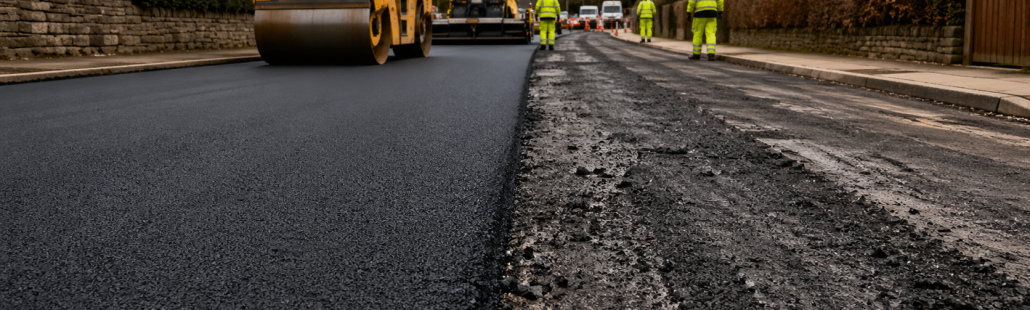
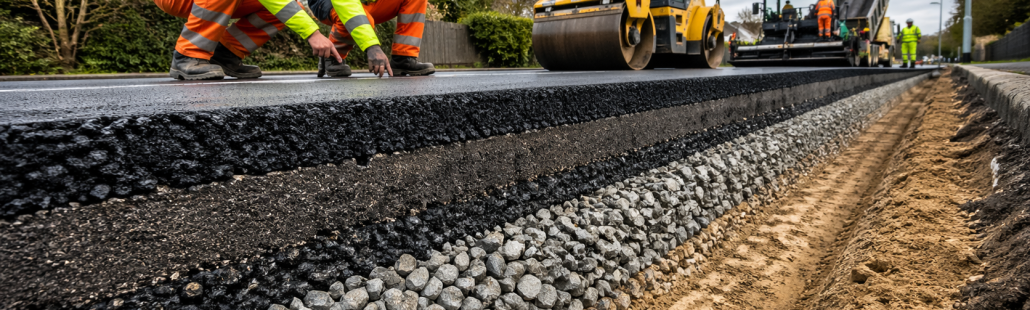
Tarmac, or asphalt, is laid at high temperatures and then compacted to achieve density and structural integrity. Once rolled, it begins cooling immediately. Unlike concrete, asphalt does not “cure” chemically over days; it hardens as it cools and compacts.
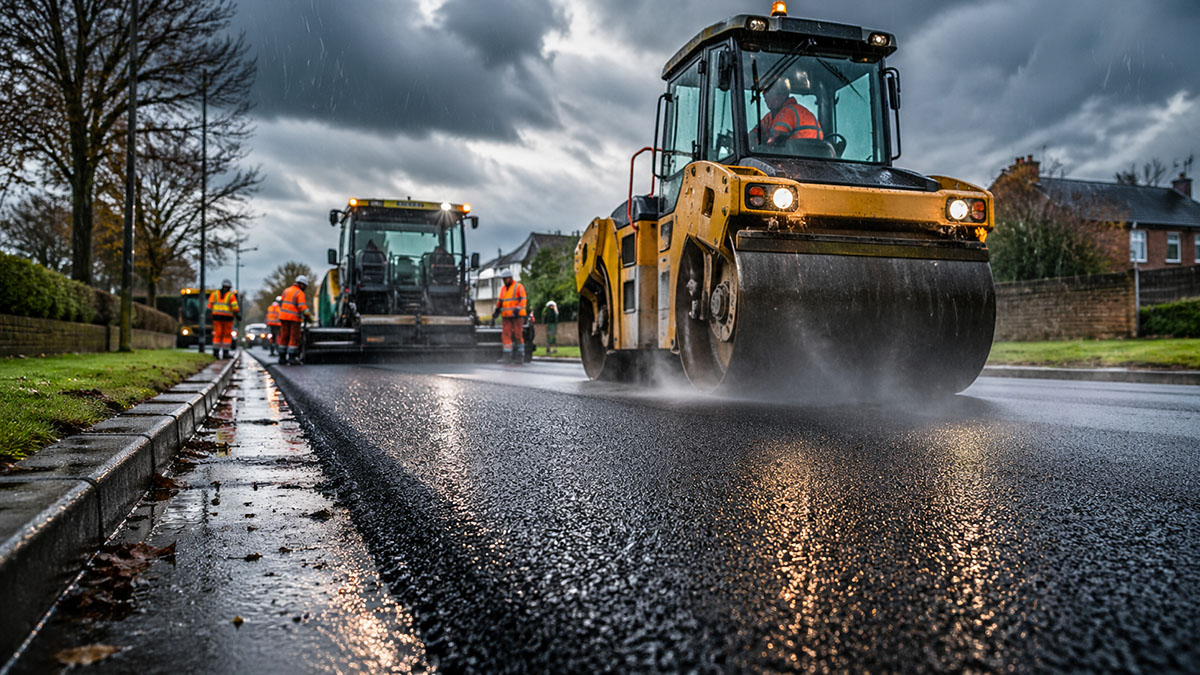
During this cooling phase, the material is most vulnerable. If heavy rainfall occurs before adequate compaction is achieved, it can interfere with surface finish and bonding.
Professional tarmac installation ensures compaction is completed efficiently and within the correct temperature window to minimise weather-related risks.
What Happens If It Rains During Installation?
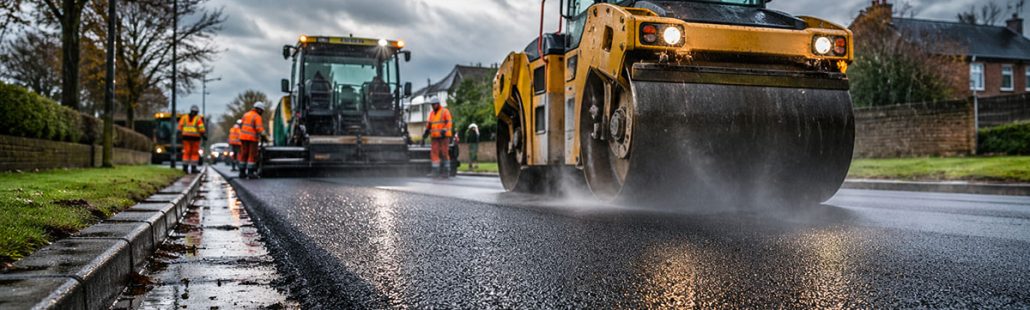
If rain falls while asphalt is being laid but before it is compacted, several issues may arise. Surface texture can be affected, leading to slight marking or irregular finish. In extreme cases, excessive water may reduce surface temperature too quickly, making proper compaction more difficult.
However, experienced contractors monitor weather forecasts closely and will not lay asphalt during sustained heavy rainfall. Light, brief showers after compaction typically do not cause structural damage.
Rain After Compaction
Once tarmac has been properly compacted and has begun cooling, rain is far less problematic. In fact, light rain can sometimes assist cooling without negatively affecting structural integrity.
The key factor is density. If the asphalt has achieved proper compaction, moisture will not penetrate deeply enough to weaken the structure.
High-quality commercial surfacing projects are carefully scheduled to avoid vulnerable installation windows during adverse weather.
Surface Marking and Cosmetic Concerns
While structural damage from light rain is uncommon after proper compaction, cosmetic imperfections can occur. Water droplets hitting hot asphalt may leave minor marks on the surface. These are typically superficial and do not affect long-term performance.
In most cases, such minor visual inconsistencies fade over time as the surface weathers and traffic passes over it.
The Role of Temperature
Temperature plays a more significant role than rain alone. Cold ambient conditions combined with rainfall can accelerate cooling before full compaction is achieved. This is why experienced teams monitor both air and ground temperatures before proceeding.
Rain during warmer months generally poses less risk than rainfall during colder periods when cooling rates are already rapid.
Drainage Matters More Than Rainfall
Long-term performance depends far more on drainage design than on brief rainfall during installation. If water is allowed to pool on the surface due to poor camber or blocked gullies, it can penetrate cracks over time and weaken the structure.
Ensuring correct falls and drainage during installation protects the surface long after the initial works are complete.
When Should Works Be Rescheduled?
Professional contractors will usually postpone works if:
- Heavy or prolonged rain is forecast
- Surface temperatures are too low
- Ground conditions are saturated
Attempting installation in unsuitable conditions increases risk and compromises quality. Reputable teams prioritise long-term durability over sticking rigidly to a schedule.
What Property Owners Should Ask
Before works begin, property owners should ask how weather risks will be managed. Clear communication regarding contingency planning, temperature monitoring and compaction procedures provides reassurance.
If defects do appear later, prompt pothole repairs prevent minor weaknesses from escalating.
Final Verdict
Rain can affect freshly laid tarmac, but timing is everything. Light rain after proper compaction is unlikely to cause structural issues. The real risks arise when heavy rainfall occurs during active laying before compaction is complete.
For UK projects, careful planning, temperature control and professional installation are what truly protect surface integrity. When handled correctly, occasional rain does not mean compromised quality.